
In this episode of the Istražuj.me podcast, Časlav Pejović, a renowned expert in international law, shares insights drawn from his professional experience in Japan, discusses opportunities for Montenegro, and highlights potential risks associated with recent international agreements signed by the Montenegrin government.
Until a few years ago, Pejović was a tenured faculty member at the Faculty of Law, Kyushu University in Japan. Although officially retired, he continues to teach there under a contractual arrangement and also serves as a visiting professor at several other universities across Asia.
Here are the key takeaways from our podcast conversation:
Q: You continue to teach in Japan and other parts of Asia. And this is one difference: Japan does not abandon its senior citizens, but encourages them to work until late in life.
To some extent, Japan is forced to do so due to the rapid ageing of the population. The Japanese live the longest in the world, despite having one of the lowest birth rates globally. The consequences of this are clear. The pension system is based on a pyramid model, in which older individuals who receive their pensions are at the top, and the young who support the system through their work are at the bottom. The pyramid system is no longer effective. At the top, there is an increasing number of older people. At the same time, at the bottom, there are fewer and fewer young people, so the model of the pyramid changes to a model of a rectangle with irregular dimensions. Japan is addressing this problem in various ways. One way is to offer people who have retired the opportunity to continue working, albeit at a significantly lower fee than their previous salary. It is now a legal obligation for companies to offer a resumption of work to people who have retired, if they wish to, and it is up to individuals to accept or decline. This proved to be a very successful solution. Companies can utilise the accumulated knowledge and experience of retired individuals at significantly lower remuneration than their wages. For retired Japanese who are in good health, work can be a pleasure, and the remuneration they receive is usually well above Japan's very low pensions. I love teaching students, and I'm happy to accept the university's offer. Working with young people is a kind of privilege. It makes you younger if you earn something along with that, so much the better.
Q: How much can mature people give to their country, after all these years of experience? It seems to me that Montenegro, which otherwise has problems with human resources, is easily giving up entire categories of the population. The younger ones are leaving, and the older ones don't seem to need anyone after retirement.
The example of Japan can serve as a model for Montenegro. Montenegro is also facing an ageing population, which, combined with the departure of young people, has the potential to jeopardize the pension system seriously. As the number of older people who are retired and no longer contribute to the economy increases, while the number of young people working decreases, it can lead to the collapse of the pension system. Perhaps a lesson can be drawn from Japan to encourage older people to continue working. Of course, provided that this does not close opportunities for young people. This should also be taken into account. In Japan, this issue is addressed by employing older people as instructors in companies that transfer knowledge to younger individuals. Thus, they do not take positions of young people, but rather serve the function of educating them.
Q: You are active in Montenegro in the story of the agreements that the Government of Milojko Spajić signed with the UAE. What are the risks of these Agreements?
Since I have been spending more time in Montenegro for the last few years, I somehow feel obliged to point out the problems I notice. The agreement with the UAE poses several significant risks to Montenegro, which I felt compelled to highlight. For example, the agreement failed to include a provision on Montenegro's right to regulate some matters of public interest, such as environmental protection, especially if the Long Beach (Velika plaža) in Ulcinj was considered a destination for investors from the UEA. It's incomprehensible that the government has failed to do this. Most likely, it is simply a matter of ignorance, because the preparation of this type of agreement requires specific knowledge of foreign investment law, which lawyers working in the government are unlikely to possess. However, the Government should have made an effort to find an advisor who is familiar with this matter.
Q: How risky is it for Montenegro, which is in the lobby of the EU, to give investors jobs and resources without a tender, especially given the obligations we have under the EU integration process, Chapter 5, which was recently closed?
I do not know the reasons for some strange provisions in the Agreement, and I would like to believe that it is just ignorance, although some provisions raise eyebrows. Why are UAE investors being offered something contrary to Montenegro's Constitution? Such as the provision that excludes the provisions of the Montenegrin laws relating to the tender. Why is this done? Worse still, the government has inadvertently offered the same privileges to investors from other countries with which Montenegro has concluded bilateral agreements that include a most-favoured-nation (MFN) clause. If Montenegro has granted some privileges to investors from the UAE, on the basis of such clauses, Montenegro must grant those same privileges to investors from countries with which it has concluded bilateral agreements containing such a clause. For example, a company from Montenegro can register a subsidiary in the Netherlands or Serbia and then appear in Montenegro with a request to be granted the same privileges as investors from the UAE. And Montenegro can't deny them. Some clauses known as the "denial of benefit" clauses could have protected Montenegro from such claims. However, Montenegro failed to include these clauses in its bilateral agreements. Thus, Montenegro was left without protection, left at the mercy of investors.
Q: In the last few days, the government has announced that on the basis of bilateral agreements with Hungary, Ukraine, France, it will conclude deals with companies from these countries without tenders. What are the reasons for signing such agreements?
A sharp increase in BITs occurred in the early 1990s, with the fall of the Berlin Wall, which symbolically marked the end of the Cold War. This was followed by an offensive of neoliberalism, promoted by the World Bank, which strongly supported the practice of concluding bilateral agreements, promoting this practice as the best way to obtain foreign investment. This theory has never been confirmed in practice. Some countries, such as Brazil, have received substantial foreign investments without signing such agreements. The Government of Montenegro obviously believes that the signing of bilateral agreements will lead to greater investment. This can happen, but it is crucial to examine the obligations Montenegro undertakes with such agreements. At the beginning of the 21st century, a negative trend emerged, following numerous lawsuits by investors against states, which resulted in some astronomical awards to investors. Some countries are suspending existing bilateral agreements or have demanded their revision (e.g. India, Indonesia, South Africa). Bilateral agreements carry certain risks, and it is imperative to enter into this process very carefully. The example of the Agreement with the UAE serves as a warning that Montenegro has unnecessarily taken on numerous risks and has not adequately protected itself.
Q: You were involved in the early 2000s in the processes on the demarcation between Croatia and Montenegro, the disputed strip around Prevlaka. How do you feel about the fact that this issue has remained stagnant for a decade? Open issues with Croatia are already slowing down Montenegro, not only because of the demarcation at sea, but also due to new problems, such as the Resolution on Jasenovac.
The situation around Prevlaka is much clearer than it seems to many in Montenegro. As early as 1992, the Badinter Commission took the position that the borders of the republics of ex-Yugoslavia, as they existed at the time of Yugoslavia's breakup, were established as the borders of the newly created states. These borders are protected by international law and can only be changed by agreement between states. The Badinter Commission was not a private initiative of Badinter, as some might believe, but rather a commission formed by the European Commission. The European Commission is the most important institution in the European Union. By the decision of the Badineter Commission, the borders on the land were defined, and Prevlaka became part of the internationally recognised borders of Croatia. Some circles in Montenegro dispute this, arguing that Prevlaka is part of Montenegro. The problem with this attitude is that Prevlaka can become Montenegrin only if Croatia renounces Prevlaka in favour of Montenegro, or if it agrees to bring the issue of the land borders before the International Court of Justice or some international arbitration, and then a decision is made in favour of Montenegro. How realistic is that? Croatia will never agree to that. And Montenegro can't do anything about it. Montenegro has no way to force Croatia to do so. In Croatia, no one has ever stated that they would be willing to negotiate a land border, regardless of their political affiliations. Any Croatian politician who would agree to open the issue of the land border regarding Prevlaka would thereby commit a political harakiri and thus end their political career. For Croatia, the issue of the land border has been resolved, and it is now prepared to discuss only the maritime delimitation. How do you intend to force Croatia to agree to open the issue of the border on the land if Croatia does not want it? All this talk about who was in charge of the administration of Prevlaka, or the story about boxes with documents that have gone missing, does not make sense unless Croatia accepts that the issue of Prevlaka is brought before arbitration. When considering participation in an arbitration, governments typically conduct an analysis of the potential benefits and risks, a process similar to what economists refer to as a "cost-benefit" analysis. What would be the benefit for Croatia if it agrees to arbitration? There is none. On the other hand, there may be certain risks and costs associated with a potential arbitration. Montenegro has no power to force Croatia to agree to an arbitration. Hypothetically, if Montenegro were in the EU, and if Croatia applied for membership, then Montenegro could exert some pressure on Croatia to agree to arbitration like Slovenia pressured Croatia to agree to arbitration on Piran Bay, when Croatia was in the process of joining the EU. However, the situation is reversed; all the trump cards are in Croatia's hands. Just put yourself in Croatia's position: why would it agree to something that could potentially be a risk to Croatia's interests, if it doesn't have to? What did Montenegro deserve that Croatia could be expected to make such concessions? Perhaps, the resolution on Jasenovac? Let's be realistic. All the stories about Montenegro's right to Prevlaka are a misleading of the public by people who do not understand this problem, or who deliberately want to muddy the waters. The only effect that this can have is to make Montenegro's path to EU membership more difficult. And maybe that's exactly the intention.

Center for Investigative Journalism of Montenegro (CIN-CG) along with the partners in Reporting Diversity Network have opened the call for project proposals aiming to counter hate speech and improve representation of diversity.
The call was opened as part of the Reporting Diversity Network, which was established with the objective of effectively influencing media representation of ethnicity, religion, and gender in the Western Balkans. RDN aims to activate the role of civil society in countering the narratives of division and replacing them with much-needed positive discourse contributing to the value of good neighbouring relations and respect for social diversity.
The Call for Proposals will be publicised with the overall objective of increasing the influence of CSOs on media reporting shaping perceptions of ethnicity, religion and gender in the Western Balkans.
The specific objectives of the Call will be to:
- strengthen the position of local CSOs in safeguarding their beneficiaries’ rights in media
- provide opportunities for local CSOs to influence public perceptions and respond to hateful and harmful narratives contributing to polarisation.
- increase the number and quality of messages conveyed to the audience to diminish the effect of polarising narratives
- improve visibility and media representation of women and minority rights’ issues
- contribute to positive perceptions of the others and tolerance and inclusion in the region
Types of actions that are eligible for funding (list is open and might include other project ativities as long as they contribute to the above-mentioned objectives):
a) Advocacy and awareness-raising campaigns;
b) Production of media content;
c) Creation of campaigns countering hateful narratives in the public sphere;
e) Consultations, roundtables and meetings with local stakeholders;
f) Facilitating policy dialogue with stakeholders (e.g. political parties, local officials, expert community, media).
All activities must take place in the country where the organisation is registered.
Project timeframe is maximum of nine month.
The overall budget for the programme is 30.000 EUR per country. Five projects per country will be supported, while the envisaged size of grants is minimum 5,000 EUR and maximum 7,000 EUR.
CSOs responding to this call must meet the following criteria:
• that they are registered and that they have settled all legal obligations;
• have experience in the field of representation of diversity and/or hate speech;
• be directly responsible for project preparation and management;
• that their bank account is not blocked;
• that the organisations are not beneficiaries of the funds of the EU Civil Society Facility and Media Programme in favour of the Western Balkans and Turkey for 2021-2023 (IPA III), budget line: 15.020101.01
• Organisations can submit only one project proposal under this Program as an applicant or as a partner
We welcome applications from diverse type of civil society organisations: grassroot organisations, memebrs of the larger-scale networks acting nationaly or regionaly, media established as CSOs.
Partnership with local media will be considered as an advantage and will ensure additional points.
A one-day training regarding the rules and procedures for the implementation of EU grants will be organised for selected grant recipients. The training will cover topics such as: project management, visibility rules, financial reporting, etc.
In addition, selected CSOs will be provided with mentoring support to assist them in conducting creative media campaigns to raise public awareness as well as in managing project activities.
We invite all interested organisations to fill in the application forms (attached).
The deadline to submit the application is May 31.
Please submit your question at assistantcincg@gmail.com and redakcijacincg@gmail.com by May 9.
Please submit your proposal at assistantcincg@gmail.com and redakcijacincg@gmail.com by May 31.
The evaluation criteria:
1) Relevance of the proposal to the objectives of the Call for Proposals and relevance of the proposal to meet the needs of the target groups; (30 points)
2) Effectiveness and feasibility of the action - clear links and consistency between objectives, estimated results, proposed activities and strategy; (20 points)
3) Financial and operational capacity to autonomously undertake the proposed activities - an elementary level of organisational and managerial capacity will need to be demonstrated; (20 points)
4) Impact and stakeholders’ involvement - proposals must be feasible and indicators objectively verifiable (number of citizens that will be involved in the action); (10 points)
5) Involvement of vulnerable groups and gender-related issues - proposals need to take into consideration the needs of vulnerable groups; (5 points)
6) Follow-up - proposals clearly stating how this project will align with their organisations' plans and future activities. (5 points)
7) Budget and cost effectiveness of the action – ratio between estimated cost and expected results must be satisfactory (10 points)
The Evaluation Committee will pay attention to geographic and thematic diversity of the grants, while respecting the principals of equal opportunities and inclusiveness.
Note: The Center for Investigative Journalism (CIN-CG) may request additional documentation no later than eight days after the deadline for submission.
Applications will be reviewed by an independent Evaluation Committee.
Vedat, a Roma boy from Gjakova, Kosovo, was born in 1994 and was just five years old when the war erupted in his homeland. He was born with a severe infection in his leg, and due to the immense pain he was experiencing, his father, Fadil Behluli, decided to take him to the hospital one day. A few hours post-surgery, as he rested in his father’s lap, he witnessed three uniformed individuals dragging his dad away and shooting him in the hospital's backyard. He recalls the moment with great clarity even now. That was the final moment he shared with his father. Unbeknownst to Fadil, sending his son, who was suffering immensely, to the hospital would lead to a heartbreaking, tragic outcome—he would never return to his wife Hatem and their other children.
“The thing that I remember during the war in Kosovo is this: I was four and a half years old, five perhaps. It’s very vivid, I remember people being tense, and I know that I was sick because of my leg, I had it swollen or something like that, so my dad took me to the hospital, my mom wanted [to come] too, but my dad decided that she shouldn’t, so my dad took me to the hospital, and they fixed my leg. And after that, after the surgery was done and stuff, he put me to his lap. And he was trying to make me feel better even though I’m in pain. And there’s two or three guys walking down the hallway of the hospital with masks on. The views are vivid when I think about it sometimes, even when I see dreams everything is vivid. I can see a full picture, but when I talk about it it’s blurry. So, yeah, they walk into the hospital, they accidentally bump into my leg, I start crying, my dad tried to calm me down, but you know he got aggravated and he wants to be the hero, he gets up and says to them “hey watch where you’re going and bla bla bla”. So, they grab my dad, take us behind the hospital, and they shoot him. And are about to shoot me as well but one of the nurses comes into my rescue, she grabs me from them and the on this way she got a scratch on her arm, she puts me into her car and drives all the way to our house and takes me home and tells my mom what happened,” says Vedat who now is 30, for Center for Investigative Journalism in Crna Gora (CIN CG).
Shortly after, five years old Vedat and his mom Hatem who was five months pregnant with her fourth child at the time, left Kosovo to come to Montenegro and seek refugee and they haven’t gone back to live in Gjakova since. When asked how his life has been in Montenegro as a person with special needs he responded as follow:
“My life in Montenegro hasn’t been that great as a child because I got bullied, mistreated and all this stuff not only from friends and kids from school but…”, Vedat stops for a moment.
“Not so comfortable to say it but not only from friends or school [did I get bullied] but also from family side, trying to turn me down and make fun of me and whatnot”, told Vedat.
Beginning teenage years, Vedat got to go to the US through an international program that facilitated him by providing help with a very delicate process, which is getting a passport, in order for him to leave Montenegro and go to the United State for a few years.
“I didn’t live my teenage years here in Montenegro, I lived in the United States, so yeah. And the reason why I went to the United States is back in 2005 my aunt in United Kingdom she found some missionaries that work anywhere in United States and other countries. There’s this missionary, his name was Bob Hitchen, bless his soul he passed away a few months ago, I just found out. He came to my country, in Montenegro in 2005, they took pictures of me, they were asking questions, they were explaining to my mom and they stayed with me about a year to get the documents, because I had no documents. I didn’t have any Kosovo documents, I didn’t have any Montenegro documents, they did help me. And then in 2006 I got my Serbian passport and then I was able to go to the United States in March of 2006”, ended by saying Vedat.

Countless stories of horror, pain, and loss are behind thousands of Roma people who came to Montenegro from Kosovo’s war. What distinguishes the sufferings of this community from others? The emphasis they (did not) get. Indeed, every year and anniversary, along with numerous conferences and diplomatic visits overseas, we acknowledge and strive for justice for the Albanian civilians slain and massacred. However, this justice does not extend to the victims from minority communities, who, despite their existence, still bear the sorrow of their loss in their hearts. People rarely, if at all, remember them, nor do they construct stone memorials for them as there are for Albanian victims. In one instance, the Serb regime threw a grenade into Mitrovica's Green Market, killing civilians. That day, the grenade claimed the lives of seven people. The victims included six Albanians and a five-year-old Roma girl. The municipality raised a memorial in which they wrote the names of the victims after the war ended, but it only consisted of six names. Guess whose name was missing? Yes, that of the Roma child. Without this picture, which was taken on the exact day of the child's death, we wouldn't have found out of the child's existence in the first place.
People in Kosovo, especially the majority community there persecute and discriminate against this community, accusing some of them of siding with the occupier, specifically the Serbian forces, during the war. In Montenegro, the same community encounters various challenges, which we will explore further in this article.
The CIN CG managed to contact Siniša Nadaždin (a picture of him on top of the article), a pastor at a local Protestant evangelical church who is one of the most renowned people who has worked, especially with the Roma community who have come to Montenegro after the war in Kosovo that took place in 1999. Nadaždin shared with us not only his experience in the past and how things progressed in the meanwhile but also how he regards the situation to be these days concerning this community in Montenegro.
“We need to talk about the way things were at the beginning, the way things were in the middle, and the way things are now. There was a process of 20 years. When they first arrived, they were definitely not welcomed. In the first couple of years, a lot of them migrated to Italy, going on these rafts. There was a catastrophe at some point. A lot of people died. I know people who personally went across the Adriatic that way. So, after a couple of years, thousand remained in Montenegro. I would say probably half of them, were here in Podgorica, in these two refugee camps, and around the refugee camps. How were they treated? They were treated awfully”.
Nadaždin claimed that once these refugees arrived on their new lands, no one wanted to assume responsibility for their well-being. He told us that everyone was more than happy to see them leave as soon as possible, which, to quite some degree, never happened.
“There were a lot of these legal loopholes. For example, the Camp Konik II that I mentioned, at some point ended up on no man's land. It didn't belong to UNHCR. The local government didn't want to accept it as their responsibility. So, there was some electricity over there, but then people started stealing electricity. So that whole place was out of any sort of norms, out of any sort of regulations. There was a community of 300 plus people where they were just left on their own. They had a landfill right across the wall. The Konik II camp was leaning against the wall of the landfill, so they were going to the landfill. The whole families dig overnight to get scrap metals. It is a very complicated story. But after it was obvious they were not welcomed, they were not embraced. And I want to say, probably nobody has ever said it out loud, but everybody was waiting for them just to go back home or move further, and they didn't. Several thousand stayed,” told Nadaždin for CIN CG.
Obtaining residency permits
Nadaždin told us about the help that the church staff gave to the Roma people who came from Kosovo while also mentioning how difficult the process of registering and applying for permanent or temporary residency permit was for them as well as how back then they tried to facilitate in this aspect too, other than in the “essential needs” such as food, clothing and medications. He told us that other than the process being too costly, too complicated and the procedures being too bureaucratic these people could apply for the residency only if they were in the refugee database, after bringing their Kosovar or Serbian documents, which they had to go and take in both respective countries.
This community lived in tents for almost a year
While looking towards their current situation and living conditions is important, it is as much important to remember that no other refugee from any country or any other ethnicity was put to live in the conditions that these Roma people were faced with upon arrival.
Nadaždin recalls his memories by noting “They lived in tents for almost a year. Nobody else. No other refugees were placed in, living conditions where they had no toilet facilities. They had to share all these toilets. They had to share water taps”.
He also remembers how for the conditions of the area in which they were put no one wanted to take responsibility, that at that point that land belonged to nobody, it was a nobody’s land. And Kosovo didn’t bother much and continues to be reluctant and avoidant about its once citizens, and the government of Montenegro including the local governance didn’t bother much, those Romani at that point were treated as nobody’s people.
The housing provided:
In 2019, two housing units were provided for the Roma and Egyptian population funded by the Regional Housing Program, but the apartment’s state seems not to be a success story. For this Nadaždin blames the lack of the law enforcement by institutional bodies of the state.
“But now, after obtaining their permanent residency, things have changed. Since 2015, 2016, 2017, they gave them these new apartments. There's almost like 250 apartments over there in that complex. I'm not sure how many people, at least 1,500 people live there. And they got these apartments cheap, almost for free. They were supposed to pay some tiny bit of rent, well, sort of a rent to the government, they don't do that. They don't pay a lot of other things, so the condition of these apartments is deteriorating”, described Nadaždin.
When asked what the government should do, the pastor said that there isn’t much affirmative action that the government can do. Instead, he said that the law enforcement can be an effective solution upon those who case the deteriorating state of these buildings and the damage of the lives of the other members of the community who are responsible citizens.
The inner dynamics
While commonly it is not stated, dynamics between the Roma community member who came from Kosovo during and after the war and those who were already here did arouse. Most of which, according to members of both parts, because that the latter felt that all the funds as well as the attention went to the first, making the domicile Roma citizens feel neglected and overshadowed.
The language barrier
When asked whether the situation is better with the Roma community in Kosovo or that in Montenegro, the pastor said that due to the language barrier being one of the factors, he sees the case of Kosovo as more promising compared to the situation or the Roma from Kosovo in Montenegro.
Here, there's always a language barrier. For some of them, Serbian is, like, their third language. For some of them, it's their second. So, some speak better, some speak worse. There's always going to be a wall between them and the rest of the population. So, because they came from where they came from, they also tend to self-isolate. When I think of Romani in Kosovo, there's probably less of that, that at some point, the chances for real integration are going to be greater. Here, it's going to be harder”, Siniša said while expressing his opinion.
People on these apartments not paying their fees
Vllaznim Batusha, an Egyptian who migrated from Kosovo after the war and currently resides in these apartments, expressed how challenging it is for these individuals to meet their financial obligations and support their families. He attributed this difficulty to the low employment rate, which results in a single member supporting a whole family, and the relatively low wages these individuals receive. However, he also asserts that maintaining one's space is a matter of personal responsibility. According to him, some families maintain their apartments in a responsible manner, while others cause significant harm to their neighbors by damaging mutual facilities.
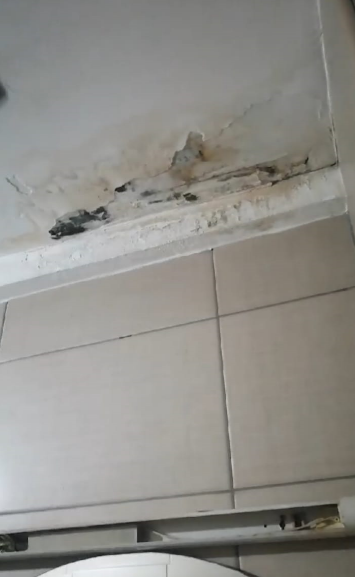
CIN CG was there and witnessed very poor maintenance of these buildings.
Nadaždin describes the situation thoroughly while restating that law enforcement and order would’ve prevented this from being the case.
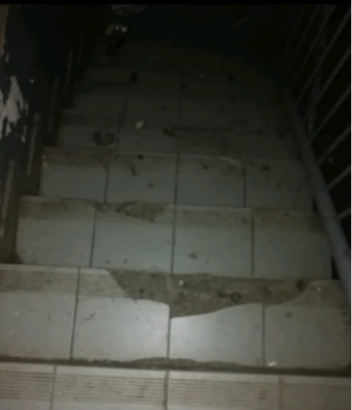
“You know, you see how people get wire from the wall, and then they plug in somehow to get their electricity. I mean, let's go down to the basement and see what happens there. There are frequent wildfires over there. So, when I say law enforcement, that's what I mean. There have to be some law and some order. Were they have to feel it. But now it's just survival. Now it's just getting electricity. To get electricity for their Internet. So, what I'm saying, people choose to pay for their Internet. They will not pay for their water”, said Siniša.
Although many things have progressed since the first days that the Roma community from Kosovo that came after the war was first placed in Montenegro cities, and their story, rather than a black-and-white one, is grey, by no means should it be seen as a success story. And the outside looks of their living areas now—once one digs deeper—are seemingly deceiving of what actually is the case. To this day, this part of the Roma community that lives in Podgorica, especially, is not integrated but rather lives in a ghetto, separated from the rest of the society. And when describing it as a ghetto, one could go further and put the adjective “modern” next to the noun. “Modern” because it looks nice from the outside, “modern” because it doesn’t look even close to the tents in which this community was first placed. And, yet, their living standards, on average, because even there one family differs from the other, are far from being compared to that of an average native Montenegrin family.
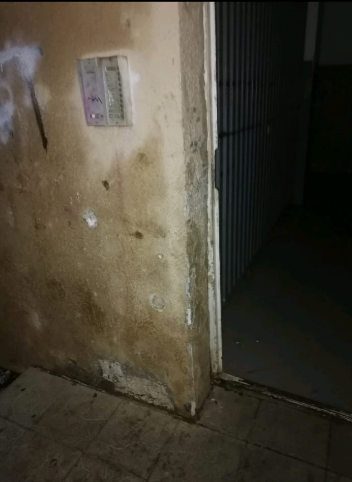
Why does this remain the case, and is the government supposed to do anything about it? According to Siniša, it is part of human’s nature to try and find the easiest, cheapest way out; however, it is the government that should not allow people to continue to live in these conditions.
“So, there are these situations where there's also poor management, poor culture of using things. You can't improvise forever. It works for a period of time, but then, people try to hook up this wire with this wire and that wire with that other wire. I've seen some houses over there where they try to save money on everything. So, they get windows from the garbage or they find pieces of wire that they connect together, and those pieces of wire that are poorly connected there, they're inside of the walls. First of all, people shouldn't be allowed to live like that. There has to be government incentive, but also there has to be government regulation. You can't just let people do whatever they want. And people will always try to find easy way out. In this case, cheaper way out”.
The political representation
Shortly put: there isn’t one. The Roma community does not currently hold seats in the Montenegrin parliament. For years now, a quota has guaranteed political representation for most other non-majority communities but not to the Roma and Egyptian communities.
Writes: Hanmie Lohaj
"This article has been produced with the financial assistance of the European Union. The contents of this document are the sole responsibility of CIN CG and can under no circumstances be regarded as reflecting the position of the European Union."
Brendon Berisha was only three years old when he came to Montenegro in 1999. He was born in Kosovo, and since then has had the citizenship of Kosovo. The same applies to the woman with whom they gave birth to their daughter, Elemedina, who was born in 2014 in Montenegro. Shortly after her birth, her parents separate and her mother moves to France. Since both of her parents are Kosovar citizens, Brendon attempts to register his daughter in Kosovo since this is the first requirement before applying for his daughter's documentation in Montenegro, but his efforts are unsuccessful as the court in Kosovo does not permit it without her mother's presence. Brendon must initiate legal proceedings to secure the girl's legal representation, and while this case remains unresolved, time passes. In May 2024, he successfully obtained Montenegrin citizenship for himself. In order for his daughter to obtain the residence permit of the country in which she was born and raised, i.e., Montenegro, she must first obtain the citizenship of Kosovo, and because of the complications of obtaining that of Kosovo after the separation of her parents and the stipulation by the state of Montenegro that the girl first have the citizenship of her parents, today, 10 years old Elemedina has no passport, therefore no citizenship. Elemedina, with all the rights and accesses denied as a citizen born and raised in the state of Montenegro, finds it impossible to have full access to the health services she needs due to the health problems she is currently suffering from for a while.
Some context
In September 1999, Tatjana Perić, affiliated with the European Roma Rights Center, reported from a field mission that approximately 10,000 Roma from Kosovo had been relocated to Montenegro since the onset of the Kosovo war, detailing the harrowing experiences that compelled these individuals to abandon their homes. Conflicting reports emerged, with some sources claiming that Montenegro had taken in 12,000 individuals at that time, while others suggested that even greater numbers of Roma refugees from Kosovo had been welcomed. Nonetheless, in light of the significant transformations these figures have experienced, considering the migration patterns of many individuals to neighboring countries, both within and beyond the region, it is evident that, more than 25 years later, the population of Roma individuals originating from Kosovo has drastically lessened. However, the status of civil documentation for these individuals and their descendants has remained unchanged since the initial crossing of the border. A considerable number have succeeded in acquiring a residence permit; however, the overwhelming majority, if not all, remain without any form of documentation, whether it be a Montenegrin ID card or passport.
Furthermore, the children and later generations of these Roma have neither been able to nor have some even sought to acquire documentation from the state of Kosovo. One contributing factor is that they have not lived in or returned to their birthplaces in Kosovo for over twenty years. Center for Investigative Journalism in Montenegro (CN CG) has come to understand that over the course of more than twenty years, in Podgorica and other cities across Montenegro, there are individuals facing the risk of statelessness, which deprives them of several essential human rights. While pursuing citizenship in their country of residence, where their children were born, remains outside the target's trajectory, it is noteworthy that even 25 years later, there are Roma residents in Montenegro who directly arrived during the war whose children, nieces, and nephews were born and live to this day in Montenegro and who still lack a residence permit, let alone claiming more. The legal, circumstantial, and civil factors surrounding this situation are abundant, yet the more pressing issues lie in the challenges, difficulties, and obstacles these individuals face in meeting the essential conditions and requirements to apply for a residence permit in the first place.
What does it take for an individual to obtain the residence permit as a Roma from Kosovo who fled during the last war there?
Imagine being a citizen who fled Kosovo during the war and has not returned for numerous reasons. You have a legitimate desire to obtain a residence permit, ensuring your continued presence in the country where you have lived and worked for over twenty years, and where your children were born, in this case Montenegro. The chance to transition from refugee status to acquiring a residence permit was provided after the initial decade of living here, specifically between 2010 and 2014. If you have met all the conditions, your residence permit has been granted. What occurred in the instances where the absence of prior documents presents the greatest variety? Being part of a minority community in Kosovo, facing a challenging standard of living and even harsher living conditions, you have often found yourself without documents, whether they were lost or destroyed during the war, leaving you without any identification whatsoever since that time. To obtain a residence permit from the Montenegrin state, you must travel to either Kosovo or Serbia and possess the necessary documents from one of these two countries. Let’s say you choose Kosovo. To accomplish this, you must return there in person; however, crossing the border to return to Kosovo presents a significant challenge as you lack a passport. However, the Kosovo embassy in Montenegro allows you to cross the border with a special letter, which you manage to get with considerable difficulty. Nevertheless, you cannot use this letter to return to Montenegro. Therefore, you must stay in Kosovo until you obtain a Kosovo passport, document all your return activities, and continue to reside there until the passport procedure is completed. Meanwhile, you face the challenges of living in a country where you may or may not have any distant family members, let alone finding a place to stay and a job that can financially support you during that period, during those months. If you haven't returned to Kosovo since the war, and your children were born in Montenegro, which is certainly the case, you should register them in Kosovo by taking them there. Only once they receive their documents in Kosovo, they will be eligible to apply for a residence permit in Montenegro.
Within a matter of weeks CIN CG has successfully identified additional cases, each with its own specifics yet sharing a common thread: a range of challenges, obstacles, and difficulties in the pursuit of the residence permit. A significant obstacle lies in the realms of information and language, which has rendered the application process for obtaining a residence permit either impossible or delayed, even if only momentarily. The lack of cooperation from the embassies, whether of Kosovo or Serbia, is notably sufficient, hindering the provision of necessary assistance for these citizens to obtain relevant documents.
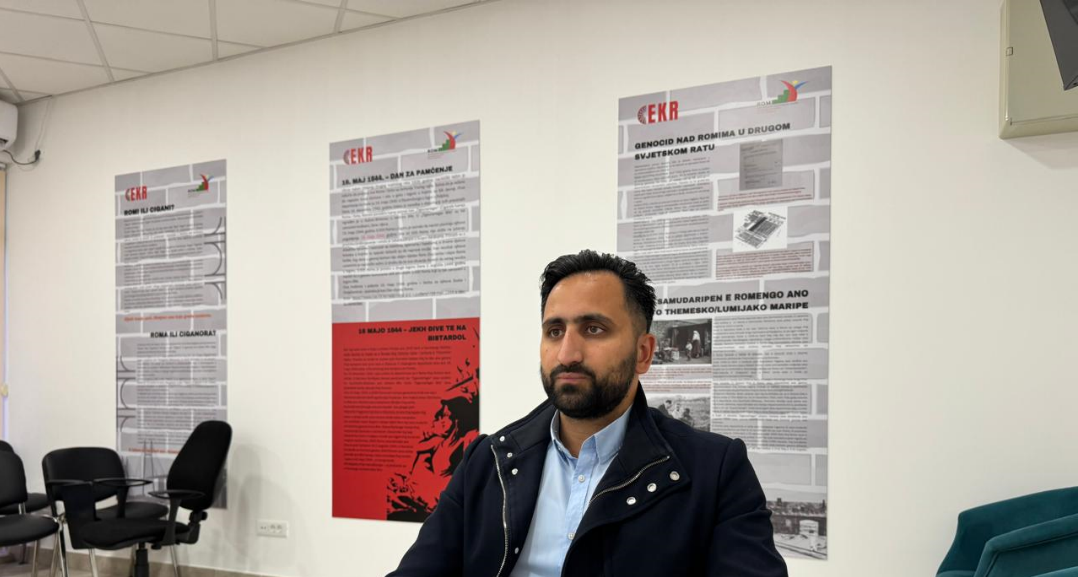
Credits of the photo: CIN CG
According to Elvis Berisha, the founder and director of the non-governmental organization "Phiren amenca," which has been addressing issues related to civil documentation since 2019, approximately 540 Roma individuals who came from Kosovo in Podgorica have yet to have their civil status regularized, all of which do not have residence permits.
“As for the data, we have the information from Montenegro’s government so far that there are 420 people at risk of statelessness and 120 people in the procedure, or in the process to obtain their residence permit to stay in Montenegro”, Berisha stated for CIN CG.
What or who is complicating the procedure of obtaining documents for these citizens?
Berisha said that although as an organization they have managed to help some people, there are many cases in which, considering their own specific complications, it is very difficult for them to reach the equipment with documentation, for which he also blames the laws in Montenegro and the bilateral relations between Kosovo and Serbia. He added that even though they have managed to help some, the total number does not go down because every day new children are born, i.e. new citizens of these citizens who already do not possess documentation and if as an organization they help solve some cases, new cases will be added with the birth of other children who encounter the same problem, or put otherwise, to which the issue is inherited even prior to birth.
“So far, as an NGO we have identified and worked out with 62 people, out of which a few of those cases are already sorted out, we have helped them get their Kosovo passports and IDs, and have registered three children which have not been registered nowhere since birth. We have helped them registered in Montenegro and we have registered two children through Kosovo’s embassy in Podgorica. Meaning, so far, we have solutions for some cases, but for some not really. For some cases there are significant complications, and it goes back to the laws, but also to the bilateral relations in between Kosovo and Serbia. Three years ago, in 2021 we have registered them only in Podgorica, and haven’t been in every single house. We have found 416 people, 216 children and 200 adults only in Podgorica, who have not had their documents, or only very scarce documents. After three years the number is almost the same, because even though we have helped some fix the issue, the new generations are coming or new cases which we haven’t identified before.”, said Elvis.
“They do not have any document of Montenegro and who also cannot have any document of Montenegro because they came from Kosovo. For them to be able to get even the permit of residence in Montenegro they are required to have the citizenship either of Kosovo or of Serbia, the passport or the ID of Serbia or Kosovo. And these people have not been registered, ever, neither in Kosovo or in Serbia. And this adds up to the problems. For instance, we have one person, we have many in fact, but I’ll mention this one; this person is born in Kosovo, during the war there he was 10 years old. He has not been registered in Kosovo. When they came to seek refuge in Montenegro his mother and father were Kosovars, but their status was of refugees until 2010 and since 2010 till the end of 2014 was the deadline for them to apply for the status of obtaining the residence permit here. Some have applied, most have, but some haven’t. For instance, this person who has been 10 when he came here from Kosovo, he could not apply for the residence permit because he didn’t have the passport, or the citizenship of Kosovo. His mother and father have not registered him when they came here during the war, nor after the war, and that person has reached the age of 18 while still being without documentation. Once he reached that age, he could not register in Kosovo anymore, because according to the law in Kosovo, until the age of 18 you can register, but once you turn 18 and more one cannot. That person now has his own family, his own children, but in Montenegro that person can’t have neither the passport nor the residence permit, because the same person has never had Kosovo’s documents. Now we are struggling to help him in any way or form, because his dad has died, but even if he were alive, we wouldn’t have been able to do anything because that the law makes it hard for him after he reached the age of 18”, told Elvis.
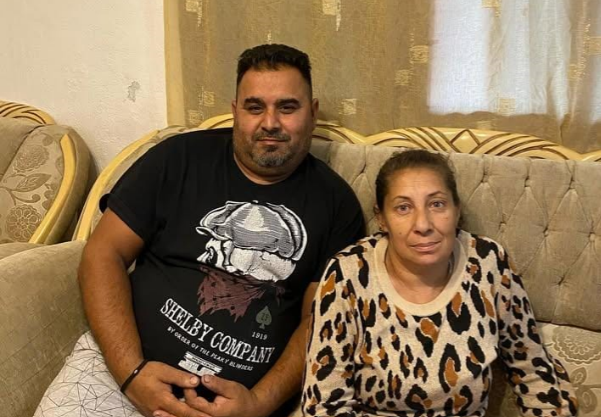
The case of Besim’s and Valbona’s family
At 51 years old, Valbona Tatari has raised six children and is now a grandma to three. She and her family have been residents of Konik, a predominantly Roma neighborhood of Podgorica, for the past twenty years. She in early 2000 came to Montenegro from Kosovo and to this day nor her nor any other member of her family that is made by 12 other members have ever been issued a residence permit or any form of official Montenegrin documents. She opens out about the difficulties she and her husband went through attempting to get their permits, saying that nobody paid attention to them and that they were ignored and neglected.
“No one has helped us to get the papers, we’ve gone everywhere. They didn’t even care, to be frank. So, they’ve left us like this”, said Valbona.
She herself has tried multiple times to send her four sons to Kosovo to get their documents there, because even though she gave birth to all of them in Montenegro, she herself has Kosovan citizenship, and for them to pass the border, they were required to have a paper that is given from the Kosovo Embassy in Podgorica, which she claims the Embassy hasn’t provided her with.
“I have the papers in Kosovo, I have gone and made them there because I used to have none. I am from Vushtrri, but they said to me we don’t have you in our system here, so no papers for you, then I went to Mitrovica and there I was in the system and I got the papers within two weeks there. A woman helped me there. I also got the certificates for my two daughters because they were very young back then. I registered my daughters in my name. They said that I should bring my four sons in order for them to get the papers too. To get the papers for them I had to get them pass the border, meaning I had to take them to Kosovo. How can I pass the border for them without any paper? And this is how my children are left with no papers”.
Valbona claims that having no papers is keeping her and her family from having any access to any service possible and that she herself, having various chronic health problems, has no way to get treatment in the state she is living in for more than two decades now, in the same state that she has given birth to five of her children.
How do these "paperless children" enroll at any level of education?
Besim, Valbona’s husband, confesses that none of his children ever enrolled in school because of not having any documentation.
“We truly find ourselves in a dire situation. We have been living without any official documents for the past 18 years. Every illness, including the flu and cold, requires us to seek medical care from the private sector. All my daughters and sons are proficient in writing and reading, despite not attending even a single day of school”, said Besim.
According to Elvis, children with a residence permit are eligible to enroll in elementary and high school. However, for children without a birth certificate, the situation becomes more challenging. Some of these children enroll in elementary school but are unable to graduate, which means they cannot continue to high school or any higher education level.
“If they have no birth certificate, they cannot enroll in any education level, but we have some exceptions in primary schools, in which some kids are enrolled, but at the end of the school, in order to have their diploma, they have to provide their birth certificates because of the personal number that is on them,” said Elvis, director of Phiren Amenca for CIN CG.
The case of Besim and Valbona’s children is not the only one where, due to the difficulties parents have faced obtaining their children’s certificates, they have been deprived of any kind of formal education.
What is the direct impact of the lack of documentation on these citizens and the community?
Obtaining public services for these individuals is nearly impossible. When it comes to receiving health services, those who have problems receiving them in Montenegro would not be able to receive them in Kosovo, even if they went there, as they do not have the documentation for this from the state. Even if they were citizens of the Republic of Kosovo, none of Kosovo’s citizens have health insurance in Kosovo either. So, this community, caught between two fires in the middle, feels as it doesn't belong anywhere. The vast majority of this community have residence permits, but these do not guarantee full access to all health services provided in Montenegro’s public healthcare system. However, the lack of citizenship in the country where they live and work causes restrictions and limited access not only in the health sector but also in other sectors. The vast majority of this community, who have a legal residence permit and are not here "illegally," do not have the right to vote, which means they have no influence on public political life and therefore do not have decision-making opportunities. They also cannot run for official state positions, as they are not official citizens of Montenegro, or be part of the army. When they are denied these rights, there is automatically discrimination against them, making them referred and treated as second-class citizens. We note that obtaining Montenegrin citizenship is not an easy process for anyone applying; however, this community includes thousands of children who have been born and raised here, and to whom Montenegro is the only homeland they know and can think of.
Embassy of Kosovo in Montenegro:
Given that these Roma citizens originate from Kosovo and a significant portion of them hold Kosovo citizenship and/or have been born there, it is expected that the relevant Kosovo embassy in Podgorica possesses at least basic information about their situation in this country. But the reality cannot be more different. Despite the numerous complaints of these citizens that the services they seek to receive from this embassy are very slow and often non-existent, when we addressed the same with a few basic questions about the state of this community in Montenegro, including the question of what is an approximate number of Roma citizens who from Kosovo according to this year’s data, or how of can someone apply to get the citizenship of Kosovo after reaching the age of 18, the same is answered with the following sentence: “Unfortunately, we do not have the exact information you are looking for. However, we can direct you to the NGO "Koracajte sa nama - Phiren Amenca," who could potentially provide further assistance”. Yes, you read it correctly, they advised us to consult a non-governmental organization here for basic information such as the number of Roma citizens from Kosovo in Montenegro or on the application procedure for Kosovar citizenship after the age of 18 in Kosovo.
Writes: Hanmie Lohaj
"This article has been produced with the financial assistance of the European Union. The contents of this document are the sole responsibility of CIN CG and can under no circumstances be regarded as reflecting the position of the European Union."
Competent institutions assert that the state will crack down on one of the most lucrative illegal businesses in Montenegro, while shifting the blame for failure onto one another
By Maja Boričić and Dražen Đurašković
Piles of gravel everywhere, machines operating right by the shore, the riverbed expanded, and landslides on both sides of the riverbed, disrupting biodiversity... This is how the riverbed of the Morača River has been devastated for years by uncontrolled and illegal gravel exploitation. But similar scenes can also be found on other rivers in Montenegro. Despite the fact that these constitute criminal offences, the judiciary has failed for years to respond adequately to this crime.
As revealed by the Centre for Investigative Journalism of Montenegro (CIN-CG), out of 25 criminal proceedings initiated for illegal gravel exploitation over the last five years, only five have been completed. Two were dismissed, while three resulted in symbolic penalties – two fines of 1,700 and 800 euros respectively, as well as one suspended sentence.
The threatened penalty for the offences that the prosecution charged the defendants with is imprisonment ranging from three months to five years and a fine. Therefore, even those few valid judgments consistently fall below the legally prescribed minimum.
Although the Government banned gravel exploitation six years ago, it rendered the moratorium decision meaningless by leaving the possibility for exploitation to continue through the so-called riverbed regulation. Reckless exploitation has continued along the Morača River and other Montenegrin rivers, causing the state to suffer multi-million losses.
According to Irma Muhović of the Montenegrin Ecologists Society (CDE), a combination of state determination, strict law enforcement, institution strengthening, improved coordination and alignment with international standards are essential factors in overcoming the issue of illegal gravel exploitation.
Speaking to CIN-CG, she underscores that the lack of effective justice enforcement and punishment for those responsible for illegal gravel exploitation sends a negative signal and undermines efforts in combating this issue.
“Insufficiently harsh penalties or a low rate of convictions will not only fail to deter offenders, but may also encourage further unlawful activities,” she warns.
To address this problem, she concludes, it is crucial for the state to demonstrate determination and enforce strict sanctions. Strengthening institutions and ensuring adequate resources and capacities for the effective implementation of judicial processes are also necessary.
“Establishing an effective monitoring and control system for gravel exploitation, coupled with rigorous punishment for lawbreakers, can be of great assistance in combating illegal gravel exploitation,” she underscores.
Two deferred prosecutions and one suspended sentence
Two cases initiated before the Basic State Prosecutor’s Office ended with deferred prosecution. Predrag Maraš and his company PE Mar were fined 1,700 euros for the criminal offence of “unauthorized engagement in economic, banking, stock exchange and insurance activities.”
Milivoje Mugoša was fined 800 euros for two criminal offences. In addition to the offence charged to Maraš, Mugoša was also convicted of “unlawful occupation of land,” which, according to the law, is liable to a fine or imprisonment for up to one year.
In both cases, the prosecution was represented by the current prosecutor of the Special State Prosecutor’s Office, Vukas Radonjić, who used to be a prosecutor in the Basic Prosecutor’s Office back then. In the meantime, he transitioned to work as a special prosecutor.
Deferred prosecution may be applied to criminal offences liable to a fine or imprisonment for up to five years. Such a penalty is solely decided by the prosecutor handling the case.
The only prison sentence, namely a suspended three-month sentence, was imposed on Danilo Petrović, the owner of the Cijevna komerc company, for the same criminal offence for which Mugoša received a fine – “unlawful occupation of land.”
The court deemed Petrović’s lack of prior convictions, older age and being married with four children as mitigating circumstances.
The institution of the Protector of Property and Legal Interests of Montenegro joined the criminal prosecution against the defendant, but the court did not consider this as an aggravating circumstance.
Last July, he was given a suspended sentence, meaning he will not go to prison if he does not commit another offence within the next year. The trial was presided over by Judge Ivana Becić of the Basic Court in Podgorica.
The prosecution charged Petrović with the mildest form of that criminal offence, even though the verdict established that the cadastral parcel in question is a river. The more severe form of that criminal offense is “if the occupied land is part of a protected forest, national park or other land with a special purpose, the offender shall be liable to imprisonment for a term of three months to three years.” According to the Law on State Property, rivers fall under natural resources.
In addition to these five cases, the Basic State Prosecutor’s Office in Podgorica is currently conducting preliminary investigations in another 12 cases.
The Special State Prosecutor’s Office is considering charges in three cases involving gravel exploitation – two against the Podgorica-based company Montenegro Petrol, one of which was transferred to the Basic State Prosecutor’s Office, and one against Cijevna komerc, with preliminary investigations being underway. CIN-CG has not received a response regarding whether there has been progress in these two cases.
The Basic Prosecutor’s Office in Kolašin dismissed charges against CRBC, a Chinese company that constructed the motorway, as well as against Montenegro Petrol for the theft of a protected natural resource. The other two charges against the Chinese company ended up in court.
Proceedings are underway against CRBC and the chief executive officer of the Chinese company Hei Shiqiang. In one case, they are being tried for the criminal offence of unreported construction activity and incomplete construction documents in conjunction with environmental damage.
“In one indictment, the accused caused environmental damage to a greater extent and over a wider area by excavating gravel material from the bed of the Tara River without having established environmental protection measures beforehand,” one draft indictment reads.
In the second case, they are charged with the destruction and damage of a protected natural asset. The draft indictment reads: “By exploiting the riverbed sediment 100 metres upstream from the plot […], the accused caused destruction to the Tara River, a natural resource, whose basin is included in the biosphere reserve under the UNESCO programme and enjoys national protection.”
The Prosecutor’s Office blames inspection bodies and inspection bodies blame the judiciary
Regarding responsibility for the lack of an adequate response from the state, the authorities are unable to reach a consensus and instead shift the blame onto one another.
The Prosecutor’s Office asserts that the effective handling of criminal complaints concerning illegal gravel exploitation largely depends on the actions of inspectors, who need to identify the owners of the machinery found in the riverbeds and seek police assistance... It is also noted that upon reporting to the police, a relevant prosecutor should also be notified of each case. The Prosecutor’s Office stresses that this is important, because “it usually takes several months from the date of inspection to the date of filing a criminal complaint, which further complicates the process of proving.”
At the initiative of Stevo Muk, a member of the Prosecutorial Council from the non-governmental sector, the Prosecutorial Council recently requested and received information from the prosecutor’s offices about what has been done in cases initiated due to gravel exploitation. However, that is all the Prosecutorial Council has done so far in respect of that issue.
“The work of state prosecutor’s offices in these cases should be intensified. There needs to be better coordination among inspections and expedited delivery of field reports to the police or the prosecutor’s office,” Muk emphasized in a statement to CIN-CG.
He added that there are too many cases that have been underway for a long time, with few of them reaching a conclusion.
Muk underscores that the head of the prosecutor’s office in Kolašin, during a session of the Prosecutorial Council, highlighted the importance of timely action by relevant inspection bodies. Among other things, they need to urgently provide field reports to the police and the prosecutor’s office so that police-related and prosecutorial activities can be undertaken to identify individuals and gather evidence.
“Without this, effective action by the police and the Prosecutor’s Office is often impossible,” says Muk.
In response to questions from CIN-CG, the Administration for Inspection Affairs said they were surprised by the prosecutors’ stance. They claim that they have not received any feedback from the prosecutor’s offices indicating that they have not done something well or that they need to take additional measures. They attribute the problem in the penal policy of the courts and the quality of the investigative actions conducted by the Prosecutor’s Office.
“Quality investigation, clear instructions from prosecutors to the police and evidence collection are not the responsibility of inspectors, but their own,” says Ana Vujošević, the director of the Administration.
Inspector Radulović: Prosecutors and judges devalue our work
Her colleague, water inspector Miodrag Radulović, emphasizes that prosecutors and judges are unwilling to do their jobs. “The track record of prosecution is very poor and greatly devalues our work,” Radulović notes. He also points out that the lenient penal policy of the courts further undermines the efforts of inspectors.
Inspector Radulović gives an example of gravel exploitation in Berane. After establishing that 5,000 cubic meters of material worth around 100,000 euros were stockpiled, they forwarded the case to the competent prosecutor’s office, which found that no criminal offence had occurred.
He adds that they appealed to the High State Prosecutor’s Office, which remanded the case to the Basic State Prosecutor’s Office for reconsideration.
“This is economic crime, and they are angry with us for filing complaints, for having to do their own job,” says Radulović.
The second case is even more dramatic and speaks to the attitude of the Misdemeanour Court towards exploiters. Radulović says that he filed misdemeanour charges twice against the Chinese company CRBC. In the second report, he indicated that the company repeated the same criminal offence. The court merged these two cases into one and fined CRBC 800 euros.
Inspectors can impose a minimum fine of 1,200 euros on the spot. If they assess that the illegal economic gain is higher than that amount, they should initiate proceedings before the court.
Miodrag Radulović says that inspectors most often assess that the case should go to court, but the court imposes fines below 1,200 euros.
“In this way, our work is completely devalued. What’s even more important is that those involved in gravel extraction have no reason to stop when they see what punishment they could face,” explains this water inspector.
The director of the Administration for Inspection Affairs, Ana Vujošević, confirms the story of her colleague. She claims that the situation is not much better in the Misdemeanour Court, adding that predominantly suspended sentences are imposed.
“For those who pocket hundreds of thousands of euros, the least of their concerns is a mere six-month suspension of their activities,” Vujošević said. She emphasizes that inspectors always act urgently, that their phones are never switched off, adding that they are available at night, after working hours, during holidays...
“I have repeatedly told them to call me and I will make sure to dispatch an inspector within 20 minutes at any time, but they have never reached out to me,” Vujošević underscores.
She adds that over 1,000 inspections have been carried out in the course of two years, more than 50 criminal complaints have been filed, and over 100,000 euros in fines have been collected.
“The only tangible result has been achieved by the inspection authority,” Vujošević concludes.
While the authorities blame each other, there remains hope that the rivers are not irreversibly lost and that the judiciary will finally embark on the fight against this ‘scourge’. This is the only way to curb crime.
Still no environmental department in the State Prosecutor’s Office
Veselinka Zarubica, the Chief Environmental Inspector, points out that that the determination of the extent of devastation falls within the responsibility of an expert witness, not an inspector. “There need to be traces of theft of state property and significant environmental devastation,” she says.
She explains that prosecutors justify their inaction on environmental issues by asserting that it falls outside their area of expertise, and that there should be specialized departments dealing with environmental crime. “But we have been discussing this for 30 years already,” Zarubica concludes.
Miodrag Radulović, the Chief Water Inspector, says that his inspectorate conducted 174 checks on illegal riverbed exploitation since the beginning of the year until 24 May.
“Two criminal complaints and one supplement to the criminal complaint have been filed, three penalty charge notices of 1,600 euros have been issued, and four case files have been submitted for assessment of the existence of a criminal offence," explains Radulović.
He adds that in one case, a measure prohibiting the disposal of the material that has been exploited was imposed. In one case, the case files were submitted to the Protector of Property and Legal Interests of Montenegro, and in two cases to the agricultural and forestry inspectorate.
The Prosecutorial Council has not come forward with the reports it receives
Stevo Muk, a member of the Prosecutorial Council, told CIN-CG that the Prosecutorial Council has not made any conclusions or taken any other action after receiving reports about the handling of cases of ‘illegal gravel exploitation’ by the prosecutor’s offices.
He adds that he requested the Prosecutorial Council to adopt a conclusion requesting further information from relevant prosecutor’s offices regarding their handling of cases related to illegal gravel exploitation, starting from the date of the previous report on the same topic. He says that the Prosecutorial Council accepted his proposal.
“In this way, we will demonstrate a sustained interest in the actions of state prosecutor’s offices and ensure monitoring of progress in these cases. The Prosecutorial Council has not adopted a relevant conclusion, recommendation or anything similar concerning previous reports,” Muk notes.
Montenegro has over 300 uncontrolled landfills, and most municipalities fail to implement recycling or waste separation practices. Alarmingly, the situation has worsened over the past decade. Every year, millions of euros are wasted, and the environment continues to suffer from increasing pollution.
Andrea Perišić
"For the past two years, I've been collecting every plastic and glass bottle, hoping to find a place where I can ensure they'll be properly recycled," an interviewee from Podgorica shared with the Center for Investigative Journalism of Montenegro (CIN-CG). She is among the few who actively separate waste in the household.
Montenegro has only 13 recycling centers, located in Podgorica, Herceg Novi, and Kotor. In 2019, a mobile waste container was introduced in the capital, and more recently, recycling machines have been installed in some areas.
In the recycling yard located in Zabjelo, Podgorica, various containers are designated for different types of waste: electronic and electrical items, paper and cardboard, glass, tires, aluminum cans, PET packaging, plastic, white goods, bulky metal waste, fluorescent tubes, batteries, eco-waste, and waste oil. Nearly everything is recyclable here except textiles.
However, few people use these recycling yards. The containers are often half-empty, with some barely containing anything, such as the one for electronic waste, which holds only a handful.
Most people are unaware of these recycling yards, and recycling efforts are poorly promoted. The issue lies in the fact that the centers in Podgorica are situated in locations that are not easily accessible to most of the population.
Since these recycling yards are used voluntarily, they are primarily utilized by environmentally conscious citizens. Waste separation should be mandatory and implemented at the source, directly from door to door. This would make the system more accessible and convenient, which is key to its success and achieving good results. Only then can we expect higher rates of separate waste collection and recycling," representatives from the NGO Zero Waste Montenegro stated to CIN-CG.
According to the NGO, once the infrastructure for waste separation is in place, it is crucial to focus on education and raising awareness about recycling and proper waste management.
The lack of awareness about the importance of recycling is clearly reflected in the situation, which has worsened compared to a decade ago, when Montenegro began negotiations with the European Union (EU), where waste management was one of the key topics.
"This is the fourth year without a State Waste Management Plan, and as a result, there are no local plans either. In a sense, waste management in Montenegro is happening in an unmanaged, 'natural' way," Ivana Vojinović, director of the Center for Climate Change, Natural Resources, and Energy at the University of Donja Gorica (UDG) says to CIN-CG.
According to her, no waste prevention plans have been implemented at the local level, despite being a requirement of European legislation and a crucial first step in fostering a recycling culture.
The country loses tens of millions of euros annually, if not more, while the environment suffers due to the lack of recycling and waste separation.
As part of its EU accession negotiations, Montenegro is required to recycle at least 50 percent of municipal waste by 2030. However, in 2022, the country recycled less than half a percent. This is highlighted in the Report of the Statistical Office of Montenegro (Monstat), published at the end of last year. In 2022, approximately 336,000 tons of municipal waste were produced, with just over 1,000 tons being recycled.
According to Monstat data, in 2022, Montenegro generated 1.412 million tons of waste, of which approximately 20 percent were classified as hazardous. Additionally, the average resident produced 544 kilograms of waste annually, or roughly 1.5 kilograms per day.
Landfill and Recycling Ltd, from Podgorica, which manages the recycling center, informed CIN-CG that in 2023, 560 tons of municipal waste were recycled. The materials sorted include cardboard, paper, iron, aluminum cans, plastic bags, PET packaging, and mixed plastics.
Moving Backwards Instead of Forward
As Montenegro recycled less than half a percent of its waste in 2022, the country is regressing rather than progressing in its EU negotiations. In 2021, recycling rates were around two percent, similar to 2020 and 2019. Interestingly, Montenegro recycled more in 2013, when EU negotiations first began, than it has in recent years.
The Strategy for Waste Management in Montenegro until 2030 only provides data on waste composition for 2013. That year, approximately 244,000 tons of municipal waste were generated, including about 32,000 tons of paper, 29,000 tons of plastic, 20,000 tons of glass, and 13,000 tons of PET packaging.
According to the current price list from the Podgorica company "Landfill and Recycling Ltd." the purchase price for old newsprint and office paper ranges from 20 to 60 euros per ton, depending on the grade and type. Plastic is priced at 25, 30, or 50 euros per ton, while PET packaging is valued between 80 and 250 euros per ton. If these materials were recycled, Montenegro could save millions of euros, which currently end up in illegal or poorly managed landfills. At the lowest prices, recycling paper alone could generate around 650,000 euros, recycling plastic could bring in 725,000 euros, and PET packaging could yield over a million euros.
In the Report on the Implementation of the State Waste Management Plan for 2013, it was stated that in most municipalities, containers for the primary selection of municipal waste (paper, cardboard, metal, plastic, glass) were installed, but that the collection of selected fractions is not done separately. Still, the containers with selected and mixed waste are emptied simultaneously, and the selected part then ends up in one of the mixed landfills.
CIN-CG contacted all municipalities in Montenegro and found that most do not implement separate waste collection despite local authorities' decisions to do so.
"We were unable to implement the decision due to personnel and technical limitations," stated the "Communal Activities" department in Šavnik to CIN-CG.
Other municipalities have expressed the same concerns.
"Waste recycling has never been implemented in Žabljak, although we do have a facility that was used for sorting waste, not recycling, even during its operational period," officials from the Office of the President of the Municipality of Žabljak told CIN-CG.
Cetinje lacks a facility for recycling and sorting mixed municipal waste, and the existing planning documentation does not include plans for its construction.
"Mixed municipal waste collected by LLC 'Municipal Services' Cetinje is transported daily from the municipality to the regional sanitary landfill 'Livade' in Podgorica, where it is sorted in a dedicated facility," the Office of the Mayor of the Capital City Cetinje told CIN-CG.
The municipality confirmed that there is no recycling center in Andrijevica and that no funding is available for its construction.
According to the Plav municipality, starting in 2021, Plav began recycling paper, PVC waste, cardboard, and glass using dedicated presses.
Local authorities in Herceg Novi say the decision on separate waste disposal is only partially implemented due to low awareness among residents. They also highlight that non-compliance with the Waste Management Law is one of the major challenges for recycling.
Meanwhile, the proposal for this law was adopted by the Parliament of Montenegro at the end of last year. It addresses the management of waste from single-use plastic products and plastic-containing fishing gear, among other issues.
Improper Waste Disposal in Podgorica: Mixed Waste Found in Dry Fraction Bins
Municipal Service from Podgorica also confirmed that separate waste collection has yielded minimal results to CIN-CG. They explained that the system was initially designed with three bins (for paper, plastic, and metal), later reduced to two bins (for dry and wet municipal waste fractions). However, the crucial element of waste separation at the source, specifically in households, was lacking. As a result, the bins are predominantly filled with mixed municipal waste.
In mid-January of this year, the company monitored the unloading of a truck emptying containers designated for the dry fraction of waste to assess the content of the collected material. The analysis revealed that citizens were not correctly using the container for the dry fraction, despite prominent labels and numerous appeals through the media. Instead, they are disposing of mixed municipal waste in it.
"This confirms that citizens are not embracing this waste disposal system. Given that changing habits is challenging, we believe implementing a penalty policy would be the quickest way to address non-compliance with waste management rules," the company stated.
The Office of the Mayor of Cetinje explains that no effective, incentivizing pricing policy is in place. Companies providing municipal waste collection services could offer discounts to households that separate recyclable waste generated within the home.
Montenegro Lacks a Landfill for Hazardous Waste and Has No Plans to Build One
"A woman from Podgorica, researching pesticides, told CIN-CG, that the company for sanitary and environmental protection "Hemosan" Ltd. Bar the only one licensed for proper hazardous waste disposal, wanted to charge me around 100 euros, plus VAT, for transporting two small pesticide packages from Podgorica to Bar and storing them—services I was hoping to dispose of.'"
In the end, despite the pesticides being classified as hazardous waste, she had no choice but to dispose of them in a regular container.
Unfortunately, it's not uncommon for irresponsible individuals to leave waste outside containers, including dangerous materials.
Montenegro lacks a designated landfill for hazardous waste, and there are no plans to establish one in the current State Waste Management Plan for 2015-2020 or the draft plan for 2023-2028.
For years, in the Konik settlement of Podgorica, in Ćemovsko Polje and behind the landfill, irresponsible individuals have been setting fire to tires in order to extract and sell the wire. These fires have often spread uncontrollably. The burning of tires releases dioxin, a highly toxic pollutant that, according to the World Health Organization (WHO), can cause reproductive and developmental issues, weaken the immune system, disrupt hormones, and lead to serious diseases, including cancer.
For decades, the government has failed to find an effective solution to address this problem.
Medical waste, various types of batteries, and accumulators continue to be disposed of recklessly.
In Montenegro, the planned opening of the Brskovo mine near Mojkovac raises concerns, as the potential consequences of the waste generated there have been overlooked. If mishandled, the waste from the mine, which could contain mercury and other heavy metals such as cadmium and arsenic, poses a significant risk to both the environment and the health of Montenegro's residents.
Kotor is the Only City Separating Paper, Plastic, Glass, and Metal for Recycling
By the time this investigation was published, CIN-CG had not received responses to several questions from other municipalities. However, the 2022 Report on the Implementation of the State Plan for Waste Management in Montenegro, released at the end of last year, reveals that municipalities such as Bijelo Polje, Danilovgrad, Gusinje, Pljevlja, Ulcinj, Tuzi, Rožaje, Petnjica, Berane, Budva, and Bar do not have separate waste disposal systems in place.
The situation is somewhat better in Herceg Novi, Kolašin, Kotor, and Tivat, where bulky and green waste are collected separately, and compost bins are used to process significant amounts of green waste. A composting plant is planned for four municipalities—Kotor, Herceg Novi, Budva, and Tivat—but its capacity is limited, meaning it currently only processes waste from the city of Kotor.
These data indicate that the municipalities of Andrijevica, Berane, Bijelo Polje, Žabljak, Danilovgrad, Nikšić, Gusinje, Pljevlja, Plužine, Cetinje, Rožaje, Ulcinj, Šavnik, Petnjica, and Tuzi have not separated any waste for recycling.
The other municipalities included in the report—Bar, Mojkovac, Budva, Podgorica, Kolašin, Tivat, and Herceg Novi—separate at least some paper, glass, plastic, and metal for recycling. However, Kotor stands out by preparing all these materials for reuse, processing about a thousand tons of waste.
"The recycling issue is deeply systemic, as many local governments struggle to manage the waste they generate. At the state level, there are no clear guidelines outlining who is responsible for the complex waste collection, sorting, and recycling process. Additionally, there is little incentive to change the status quo, as recycling is not currently a competitive alternative to traditional waste disposal," Ivana Vojinović explains.
As she explains, to make the recycling system effective, the work of inspection authorities must be enhanced.
"Montenegro needs to improve its recycling rate, which is currently one of the lowest in Europe. Adopting European standards would transform how we manage waste, leading to more household bins, better waste disposal planning, and the procurement of specialized bins and bags. This approach, which has long been established in many countries, would foster a recycling culture still in its early stages in Montenegro," Vojinović says.
CIN-CG contacted the communal police of several municipalities to inquire about the number of fines issued for improper waste disposal from 2018 through the end of last year. Only the municipalities of Pljevlja, Budva, and Kotor responded.
Only three fines, ranging from 30 to 1,000 euros, were issued for this offense in Pljevlja, all of which were imposed on individuals. "In many cases, it was impossible to identify the perpetrator," Pljevlja Communal Police stated.
In Budva, 354 misdemeanor orders were issued, totaling 65,470 euros, for improper waste disposal, mostly near container stations and along local and main roads. "The municipality of Budva has not had a designated waste disposal site for five years, as required by planning documents, which complicates enforcement," representatives of the Budva Municipal Police stated. They noted that illegal dumping typically occurs in the evening, when fewer communal inspectors are on duty, with frequent violations reported in areas such as Jaz, Topliški Put, Markovići, Stanišići, Reževici, Bečići, Paštrovska Gora, and Buljarica.
According to the Kotor Inspection Service, 15 individuals were fined 7,500 euros, while 16 legal entities were penalized with fines totaling 22,000 euros.
Waste Management Crisis in Nikšić: No Plan in Sight Despite Rising Pollution
Nikšić lacks a system for separate municipal waste collection and recycling, making it the only municipality in Montenegro without a plan for managing municipal and non-hazardous construction waste for years.
"They clearly don't understand their priorities," activist Ivana Čogurić says.
"The Gračanica River has been turned into a landfill along its entire course. Instead of addressing this environmental issue, they are focusing on the reconstruction of bridges over the river, which, according to experts, are in excellent condition," Čogurić from the "Ecopatriotism" movement highlights.
She emphasizes recognizing waste as a resource and suggests street recycling machines to encourage citizens to recycle beyond their homes. "This way, people could receive money for recycling cans and bottles immediately."
Recently, Podgorica installed recycling machines in five locations where citizens can exchange plastic bottles (PET) or cans for food for homeless dogs. A similar initiative exists in Kotor, where citizens can "buy" food for street cats by recycling plastic bottles, a symbol of the city.
The Nikšić Municipality's Secretariat for Communal Affairs and Traffic told CIN-CG they have prepared a Draft Local Plan for managing Communal and Non-Hazardous Construction Waste. They also reported that technical documentation for building a recycling yard is in progress, along with a draft decision on the municipality's separate collection and disposal of communal waste.
Europe Recycles Over 50% of Municipal Waste
According to data from the Draft State Waste Management Plan for the period from 2023 to 2028, in 2020, Montenegro recorded over 300 illegal landfills. The highest concentration of these uncontrolled dumpsites is in Bijelo Polje, which accounts for 106.
For years, the European Commission (EC) has repeatedly warned that little progress has been made in waste management, and that Montenegro's national legislation is only partially aligned with EU standards.
According to the European Environment Agency (EEA), nearly all European countries, except Sweden, have significantly improved their municipal waste recycling rates since 2004. Countries like Germany, Austria, Slovenia, the Netherlands, Denmark, Belgium, Luxembourg, Switzerland, and Italy recycle up to 50% or more of their municipal waste.
Finland and Sweden recycle about 40% of their waste, while Poland recycles even more.
However, some countries, such as Cyprus, Malta, Turkey, and Romania, still recycle less than 20% of their waste. Croatia recycles about 30%, Bosnia and Herzegovina around 20%, and Serbia approximately 15%. All of these countries outperform Montenegro in waste recycling.
Increasing the number of mediators, raising the legal marriage age to 18, and building shelters for victims of arranged marriages and gender-based violence—these are some of the key recommendations that emerged from the conference "The Position of Girls and Women in the Roma and Egyptian Communities," organized by the Center for Investigative Journalism of Montenegro (CIN-CG).
Milka Tadić Mijović, the Executive Director of CIN-CG, emphasized that various research studies, the screening of the film Unprotected, and the shocking testimonies presented at the conference, all reveal a harsh truth: there is still a lack of basic solidarity with the most vulnerable members of society. "They are left to fend for themselves, trapped by prejudice, poverty, and violence," she said.
Tadić Mijović explained that the goal of the project was to strengthen the social and educational rights of the Roma and Egyptian communities, with a particular focus on the most vulnerable groups—such as girls and women, drug users, the elderly, and people with diverse sexual orientations.
Oana Kristina Popa, Head of the EU Delegation to Montenegro, noted that the title of the CIN-CG documentary film accurately reflects the severe vulnerability of women in these communities across all areas of life. She also pointed out that this population faces similar discrimination in other European countries.
The film Unprotected, created by CIN-CG journalists Đurđa Radulović and Andrea Perišić, focuses on women's sexual and reproductive health. It highlights alarming statistics: 87% of women from these communities do not use contraception, many are denied healthcare due to lack of documentation, and early pregnancies, frequent miscarriages, and abortions, along with overall difficult life conditions, lead to a significantly shorter life expectancy.
"Unfortunately, our system lacks answers to these issues," Radulović pointed out. "On the ground, we've encountered children who cannot even write their name or do basic math."
Panelists at the conference agreed that all of these issues stem from a lack of education.
Ivana Vojvodić, Executive Director of the NGO Juventas, noted that while Montenegro has sound strategic plans in place, the real challenge lies in allocating sufficient funds for their implementation. "Parents often prevent their children from attending school, and more focus should be placed on ensuring they attend kindergarten," she said.
Fana Delija, Director of the Center for Roma Initiatives (CRI), expressed concern over the ongoing practices of child marriages, domestic violence, begging, and human trafficking within the community.
The Ministry of Labor and Social Welfare shared that the government plans to establish a state shelter for victims of human trafficking. Additionally, the ministry will organize educational workshops aimed at addressing one of the most significant issues facing the Roma and Egyptian communities: the lack or interruption of education.
The conference, held at the "European House," marked the end of a two-year project titled "Roma and Egyptian Communities: Health, Education, Employment, and Social Rights," implemented by CIN-CG in partnership with CRI. The project was supported by the EU Delegation in Montenegro and the Ministry of Public Administration, Digital Society, and Media.
In addition to the film and various research reports, CIN-CG conducted a public opinion survey as part of the project, the findings of which were published in a bilingual publication in both Montenegrin and English.
"We Should Not Pity Them, But Respect Them"
Srđan Pavićević, Deputy Prime Minister of Montenegro, stressed that the Roma and Egyptian communities do not seek pity, but rather respect.
He also pointed out that 90% of individuals from these communities do not complete school, which often leads to early marriages, begging, prostitution, and other forms of exploitation.
"Their marginalization is our responsibility, and I take full accountability for it," said Pavićević.
JOVANA (Anonymous interlocutor)
The doctor then told me that I must not give birth anymore since my life was in danger. I gave birth to a lot of children and I had a lot of miscarriages. The doctor told me that I must not give birth anymore.
ĐURĐA RADULOVIĆ (Journalist of the Center for Investigative Journalism of Montenegro - CIN-CG)
Jovana had her first son at 16, and today she is breastfeeding her youngest child, born in 2021. She does not want more children.
JOVANA
When I went to get an abortion, the doctor told me that I couldn't because it was a late pregnancy and that I should come regularly for check-ups. She gave me some pills, but I complained to her that I didn't feel well. She told me that the baby was okay. When I went second time for a check-up to hear the baby's heartbeat, it was not alive. I was four months pregnant at the time.
ANDREA PERIŠIĆ (Journalist of the Center for Investigative Journalism of Montenegro - CIN-CG)
In the Roma community, as in most traditional communities, women have no choice in almost any important issue. They usually do not decide when or how many children they will have, nor about numerous aspects concerning their bodies - about safe sexual relations and reproductive health.
Violation of women's reproductive rights leaves lasting consequences for millions of women around the world, and many die, even though these rights are protected in several international acts - the European Convention on Human Rights, the United Nations Convention on the Elimination of All Forms of Discrimination against Women...
ANDREA
How did your husband react when you ended up in the hospital? Have you talked about it?
JOVANA
I told him that I could no longer give birth. I told him that the doctor explained me the reasons. He didn't want to listen, so it happened again. Then I had the miscarriage, and that's when I got terrified. I was sick. From then on, I stopped having sexual relations with him for my own sake.
ĐURĐA
What birth control method do you use now?
JOVANA
I avoid having sexual relations with my husband.
ĐURĐA
Jovana knows about contraceptives but cannot afford them. Her husband, she claims, does not understand the gravity of the issue, so he does not use contraception. Whether she will get pregnant and endanger her life is left to chance. There is no severe family planning.
ANDREA
In many countries, poor women and girls usually do not decide if and when they become pregnant. According to a 2021 United Nations (UN) report, only about half of women and girls in developing countries can make decisions about their bodies, whether or not to have sex, seek healthcare, or use contraception. Denial of access to contraception or abortion, female genital mutilation, virginity tests, or early marriages results in girls and women in traditional communities not having control over their own lives. They are the modern slaves of these communities and patriarchal families.
ĐURĐA
What is the most important to you in life?
ROMA WOMEN
A roof over the head is the most important. And health. And family. Children even more. Children are wealth.
ANDREA
The greatest wealth?
ROMA WOMEN
The greatest.
ANDREA
When did you give birth for the first time? How old were you?
ROMA WOMEN
Eighteen. I was 18, and I have a child about to turn 18. I was 17. I was 16.
ANDREA
What would you teach your daughters now? What would you tell them about building their future?
ROMA WOMEN
I would tell my children to go to school so they don't experience what we had. Mothers. To finish their school, have jobs, and own roof over their head. When my daughter got married…
ANDREA
I am sorry, how old was she?
ROMA WOMEN
Thirteen.
ANDREA
Thirteen. Were you against it?
ROMA WOMEN
I was.
ĐURĐA
There are women in Montenegro who are in de facto slavery. The UNICEF study "Roma settlements in Montenegro" from 2018 shows that only three percent of women from these communities aged 15 to 49 are satisfied with family planning, while in the majority population, that percentage is six percent.
In Roma settlements, about 87 percent of women do not use contraception, mainly due to negative attitudes of their partners, financial limitations, lack of information, and fear that it is harmful to their health.
In 2019, UNICEF revealed that the abortion rate among Roma women in Serbia is twice as high as in the general population. There are no such statistics in Montenegro.
ANDREA
What is your experience? Do Roma women usually come to the examination with someone to overcome the language barrier, or is it perhaps because they feel safer that way?
MELISA SPAHIĆ (General Medicine Practitioner - Podgorica Medical Center)
One person never comes alone, often several come for an examination. Our ethics require us to be alone with the patient. However, one person always remains present due to not knowing the language. That is one of the reasons why there are two patients per examination. We also have situations when they want someone to be present while being examined because they feel more secure. They ask me to have that person present and in most cases it is the husband.
ANDREA
Young Roma women most often go to the gynecologist with older women from the family or their husbands, who often mediate between the doctor and them. Families expect women to give birth to as many children as possible, which is why illegal abortions occur, which are risky for women's lives and additionally endanger their health.
ANDREA
What are the most common diseases among Roma female members? Is their life expectancy shorter than of men from that population?
MELISA
The most common diseases in the Roma population in Montenegro are generally chronic diseases, such as hypertension diabetes mellitus, that is diabetes, diseases of the respiratory system, such as asthma and bronchitis. However, metabolic syndrome is also characteristic, which includes problems with obesity, reduced glucose tolerance, insulin resistance, kidney problems...
ANDREA
Girls who marry at an early age are exposed to health risks due to frequent childbirth, unplanned pregnancies, sexually transmitted diseases, and abortions. Early childbearing in the world is the leading cause of mortality for girls aged 15 to 19. Childbirth at an early age is also a risk for infant mortality. Early pregnancy carries serious challenges, such as premature birth, hypertension, anemia, and toxemia.
MELISA
As for women in the Roma population, one of the more important factors affecting their shorter lifespan than men is the large number of births during their lifetime, as well as the hard life they lead.
ĐURĐA
Zena, you got married later?
ZENA DUBOVIĆ (Coordinator for the Roma and Egyptian community, NGO Center for Roma Initiatives Nikšić - CRINK)
Yes.
ĐURĐA
How old were you?
WOMAN
I got married at the age of 35. I have two children, a son and a daughter. I think it's never too late to get married. I favor education, especially for girls, because there is always time to get married. I am 35 years old and have succeeded in life, both in having children and my own house.
ROMA WOMEN
She should give birth to two more.
ĐURĐA
Why?
ROMA WOMEN
She cannot have only two children.
ANDREA
Why not?
ROMA WOMEN
She must have more children. That's just the way it is. That's how young girls and girls get married.
ANDREA
What is wrong with having only a boy and a girl?
ROMA WOMEN
We want an army and a lot of children.
ANDREA
In Roma settlements in 2018, the fertility rate was four and a half, so most women had four or more children, while in the general population the rate was less than two.
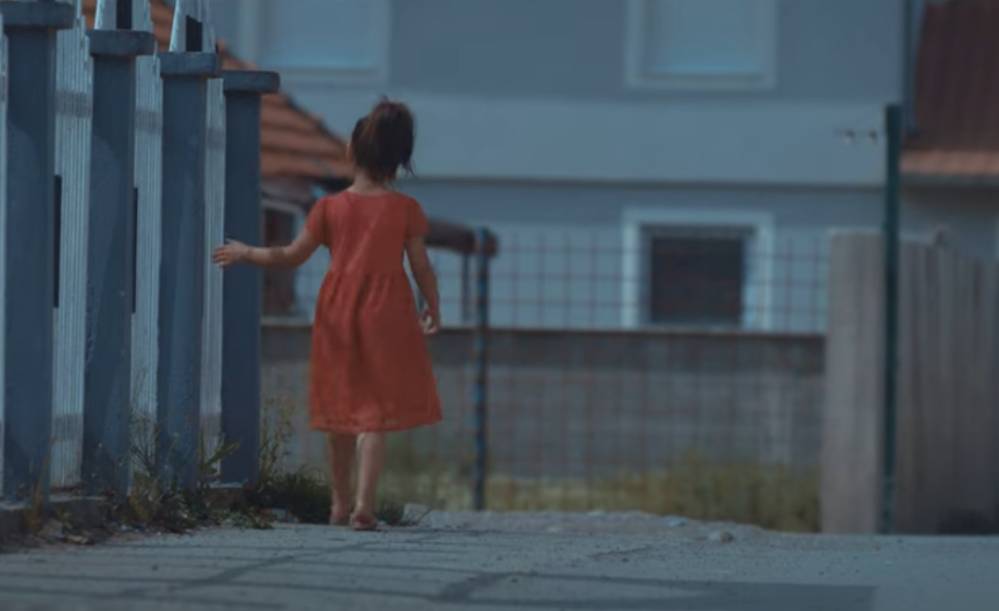
VESNA DELIĆ (Anthropologist)
For Roma, the community is much more important than the individual. So it was the community that decided the roles of each individual and there is a very pronounced hierarchy. If you ask me about the role of a woman, she knows exactly her place, from birth to death. Not only women, but also men. Since childhood, the girl has very little time to play. As she grows, her role is to look after her younger brothers and sisters and to help in the household. Few of them went to school, they mostly stayed at home. The woman was being prepared and taught the skills she would pass on when she became a wife and mother.
ĐURĐA
However, the situation is changing. As in the majority population, women from the Roma and Egyptian community are becoming more aware of the importance of making key decisions freely.
Research by the Center for Investigative Journalism of Montenegro (CIN-CG) from 2022 showed that in the last ten years, thousands of minors, including 14-year-old girls, have given birth in Montenegro. Early pregnancies are mostly the result of arranged marriages.
According to a 2018 UNICEF survey in Montenegro, more than a quarter of Roma and Egyptian girls aged 15 to 19 have given birth, while in the general population that percentage is one percent.
ŠEJLA PEPIĆ (Roma Council of Montenegro)
It usually happens that Roma and Egyptian women, so to speak, do not have the say about how many children they will have in the future and whether they actually want children when they are already pregnant. I would connect that with the early marriages, where a girl enters the marriage at the age of fifteen, mostly before reaching the age of majority, becomes pregnant and thereby endangers her health condition, and later on, perhaps, the health of the child.
VESNA
When girlhood begins, when a girl begins puberty, so to speak, they would expel them from school. Why? Because the cult of innocence is very important.
ANDREA
You said you won’t get married. Would you like to finish school, so…?
ROMA WOMEN
I didn't go to school.
ANDREA
Why not?
ROMA WOMEN
My parents didn't allow me.
ANDREA
Why? What did they tell you?
ROMA WOMEN
They told me I am not allowed to go to school. They didn't send me to school so that I wouldn't find a boyfriend there.
ĐURĐA
You didn't go to school either?
ROMA WOMEN
None of us. That is why we want to send our children to school. My son is in the first grade, and soon the second son will be in the first grade as well.
ĐURĐA
Do your daughters attend school as well?
ROMA WOMEN
Yes. If I didn't finish school, I would like my children to finish it.
ANDREA
Threats to reproductive and sexual rights affect women's mental health, often leading to anxiety and depression. Denial of abortion rights is often intertwined with economic inequality, racial discrimination and gender-based violence. These factors can also contribute to the deterioration of general health.
ANDREA
What did you do when they didn't let you go to school, since you are so young? What have you been doing all this time?
ROMA WOMEN
Nothing.
ANDREA
Nothing, I was staying at home...
ROMA WOMEN
She was at home. She listened to everything her parents told her.
ĐURĐA
Did you clean the house, did you help with the housework?
ROMA WOMEN
I did.
ĐURĐA
Do they think you should get married now?
ROMA WOMEN
Because she knows she is an adult.
ĐURĐA
You think they are forcing her to get married?
ROMA WOMEN
Well, here and there, I don't know, she should talk about that, not me.
ROMA WOMEN
Now it's time for her to get married.
ROMA WOMEN
I don't want to get married, I don't need to.
ROMA WOMEN
You should get married.
ANDREA
You said you wouldn't like to have a husband or a boyfriend. What would you like now? If someone asks you to choose, what is it that you would like most of all?
ROMA WOMEN
She didn't plan on getting married, not yet.
ROMA WOMEN
To find a nice guy.
ROMA WOMEN
To have my own house and inner peace, to be alone, that's what I would like, nothing more.
ROMA WOMEN
She can't be alone.
ROMA WOMEN
Inner peace means everything to me.
ROMA WOMEN
You are lying.
ROMA WOMEN
I am not.
VESNA
To put it simply, a woman is a pillar and she must listen. It was the case before, and it is the same now. In principle, in our patriarchal societies, although it is masked by some modernity and education, we behave in the same way in the bottom line, so we say silently what is the role of a woman in the family, whether she will work, do housework, and what is the role of a man.
The situation is the same with the Roma, we cannot accuse them of doing something we have never done. It is not true, they are doing the same we used to do, which we cover up, but which was expressed, only then. Why did they not reach that level, which, let's say, the majority population reached? Because they were on the margins, uneducated, they were not given the opportunity, because they were constantly discriminated against, and because they had to protect their community within themselves, since there was no one else to protect them.
ĐURĐA
The last time I visited a gynecologist was two years ago, when I was about to give birth. The biggest issue is that I have no documents, which is why they refuse to examine me. I did not even register two children in the birth register because I gave birth at home since I was previously returned from the hospital due to lack of documentation. Even though I told them I was in pain they send me back home where I gave birth. My mother-in-law and daughter-in-law delivered the babies.
This is the experience of one of the residents of Riverside, which she shared with the Center for Roma Initiatives, in the survey done 2022.
A large number of Roma and Egyptian women live in the Riverside settlement in Berane for about two decades. They came as refugees, mostly from Kosovo. Many of them are stateless - without citizenship, documents, health insurance...
Many Roma and Egyptian women from Riverside do not know much about prevention, health services and the rights they have, despite their status.
ANDREA
About 10 percent of the respondents of the Center for Roma Initiatives have never visited a gynecologist, and another 10 percent have been examined a long time ago or do not remember exactly when. Many women had to pay extra for a gynecological examination, which is why they often don't even go to the examination.
Whenever I went for a gynecological examination, they would ask me to pay, so I stopped going. I constantly had a problem during childbirth because I don't have a birth certificate. I had a complication once when I gave birth because they left something inside so I went again to have it removed. The doctors told me that I couldn't be examined, I felt bad, it wasn’t not my fault I didn’t have documents.
Many women do not understand what the gynecologist is talking about. Some because of the language barrier, some because of poor education. This further complicates access to health care.
The fact that almost half of the respondents did not receive any type of prenatal care, which is common for pregnant women, in order to ensure their health and the health of the baby, is also worrying.
VESNA
Even then, the role of the wife is still being tested, because it happened that they returned her if they didn't like her, and the biggest reason was that she couldn't have children after a few years.
ANDREA
How did the family react? I assume you wanted children, so was your husband ok with the fact that you couldn't have children?
ROMA WOMEN
Well, to some extent.
ANDREA
What wasn't okay?
ROMA WOMEN
Well, they thought I was the problem. That was 15 years ago, but I didn't have that cyst then, it appeared six years ago, I didn't know it was the problem, but now everything is okay.
ĐURĐA
Do you want children? Do you hope to have them?
ROMA WOMEN
Well, I hope everything will be okay.
VESNA
As soon as she becomes a mother, her status changes for the better, of course. With each new child, she becomes more respected, because she gave birth to so many descendants and future members of their population to the family and community.
ĐURĐA
Reproductive rights in this country are not only a matter of women from the Roma and Egyptian population, but also of the general population. Montenegro has a large number of selective abortions. Women here become pregnant several times just to have a male child, they do not use modern contraception to a significantly greater extent than women of the Roma population.
REBEKA ČILOVIĆ (Activist for women's rights NGO "Polygon for Women's Excellence - Sofia")
It is said in our language that 'the man took the woman'. You see, she is probably not capable, in the patriarchal way of thinking, of going to the doctor and getting examined by herself. Rather, the man takes her to be examined. A man took his wife to the doctor, after the examination, where he was not present, the gender was determined and he asked what you were having. It is again a matter of language 'what were you having'? She answered him a little girl. This was your last examination, he replied.
ROMA WOMEN
I don't have any children, but as long as it is alive and well, I wouldn’t ask for more. There are women who give birth to a stillborn, that is a great sadness. Then you don't see that baby... Some people want ten children and they are not grateful for one or two then.
ROMA WOMEN
That is right...
ANDREA
In Montenegro, the life expectancy of Roma men and women is 20 years shorter than of the majority population. Male members of this community live only 55 years on average while women live even shorter due to their hard life.
ĐURĐA
In the countries of the European Union, Roma man and women live significantly shorter, but still longer than in Montenegro. Men live 64 years, women 70. The member states of the European Union are obliged to establish strategies and programs that guarantee access to services related to sexual and reproductive health and rights, with a special emphasis on marginalized groups. Montenegro does not yet have a national strategy for protecting and improving reproductive and sexual health.
ĐURĐA
How many daughters do you have?
NATASHA
Four.
ĐURĐA
What do you think their future will look? Their potential marriages?
NATASHA
First, I want them to finish school, to get a job. My father used to tell me to finish the school first, get a job, work, so that I do not depend financially on my husband. I teach my daughters the same. I don't want them to get married somewhere that doesn't suit either me or them to go to... It's better for them to finish their school, to have jobs, to find a good husbands for themselves. That's what I want the most.
ANDREA
From this perspective, do you regret not listening to your father?
NATASHA
Well, I do. I really regret not listening to my father. I realized he was right. I should have listened to him, finished school, got a job.
ANDREA
Her entire family is begging today, except for her daughter who suffers from a chronic disease and needs a lot of money for her treatment. Besides all that, how can she think about health, reproductive rights and whether the next pregnancy will endanger her life?
After the filming of this documentary was completed, Jovana had another pregnancy that ended in miscarriage. Doctors barely managed to save her life.
Authors:
Andrea PERIŠIĆ
Đurđa RADULOVIĆ
Camera, sound, editing and organization:
Nemanja DABANOVIĆ
Stefan RADOVIĆ
Bojan RADOJEVIĆ
Special thanks to:
Jasminka MILOSEVIĆ
Zena DUBOVIĆ
Center for Roma Initiatives Nikšić (CRINK)
Maintenance of railway infrastructure Podgorica
Hotel CUE Podgorica
Montenegro currently has just 46 mediators working across social protection, child welfare, employment, healthcare, and education. Although domestic and international organizations have been raising alarms for years about the critical need for more mediators, no government has yet taken meaningful action to address the issue.
Andrea Jelic
Sanja Selimović serves as a mediator for the Roma and Egyptian communities in the fields of social protection in Bijelo Polje and Berane. On a daily basis, she helps families access material assistance, disability benefits, and other social services. She also assists with scheduling medical appointments, obtaining necessary documentation, and navigating school requirements. On average, she supports up to five individuals each day. In these cities, as in many other parts of Montenegro, the demand for mediators far exceeds the supply.
"The biggest problem is that there is no healthcare mediator in Bijelo Polje, so I take on that responsibility as well," Selimović explains to the Center for Investigative Journalism of Montenegro (CIN-CG).
According to the 2011 Census, around 6,000 Roma and 2,000 Egyptians live in Montenegro. Nearly 1,000 of them reside in Bijelo Polje and Berane.
In recent years, almost every European Commission report on Montenegro has emphasized the urgent need for more mediators and called for their formal inclusion in the public administration system. However, no government has yet tackled this issue in a substantial way, despite some ministries suggesting future increases in mediator numbers. Many people, in fact, are unaware that these services even exist.
Data from the NGO HELP reveals that of the 34 individuals who completed certified mediator training, 21 are now working in local institutions (social work centers, employment offices, and healthcare centers) in nine municipalities. Of these, seven are employed at social work centers, six at employment offices, and eight at healthcare centers. Since the completion of HELP's training program at the end of 2022, mediators have been contracted through the Ministry of Human and Minority Rights, with positions lasting for one year, beginning in January of this year.
Sanja's sister, Tanja, also works as a social protection mediator in Berane and Bijelo Polje. They commute between the two cities, covering their transport and accommodation costs from their minimum wage of €450.
In Berane, many Roma and Egyptians speak Albanian or Sinti Roma, languages that the Selimović sisters do not understand, making their work even more challenging.
"The number of mediators in all institutions in Montenegro should be increased. It would make our work much easier and create a network that we could all rely on to help users," says Tanja Selimović.
The Role of Mediators in Accessing Services
According to HELP, mediators have made it easier for members of these communities to access essential services in healthcare, education, employment, and social protection.
"The number of people using healthcare services has increased... More individuals are now registered with employment agencies and are attending various retraining programs for faster access to work," the NGO notes. "In addition to helping with social protection rights, mediators often provide additional support to vulnerable or dysfunctional families."
Unmet Needs: A Story of Desperation
Arnela (name changed for privacy) is a mother of seven living in dire conditions in Konik, Podgorica. She lives in an improvised hut with her husband and children, some of whom are of school age but do not attend school. Due to their extreme poverty, they are forced to beg. Despite their obvious neglect and malnutrition, Arnela doesn't know where to turn for help.
"I’ve never heard of any mediators who could show me a way out of this situation. I don’t even know how to approach them, what I would say, or where to start," says Arnela, who is in her early thirties.
She has been pregnant 10 times, with three pregnancies ending in abortion, leaving her with serious health complications. Despite these challenges, she remains unaware of her rights or available support services.
The Ministry of Labor and Social Welfare (MRSS) told CIN-CG that there are only nine mediators employed within Montenegro’s social and child protection system.
Research by the DeFacto Consultancy Agency in 2020 for the Strategy for the Social Inclusion of Roma and Egyptians (2021-2025) showed that nearly half of Roma and Egyptians access social services through centers for social work, with one-third receiving monthly financial assistance. However, barriers such as lack of information, language difficulties, and discrimination prevent many individuals from fully utilizing their rights to social benefits.
Mediators and the Prevention of Child Marriages
The role of mediators is also crucial in addressing serious issues like child marriage within Roma and Egyptian communities. According to a 2017 study by the Center for Roma Initiatives Nikšić (CRINK), the rate of child marriages is significantly higher in these communities, with over 28% of women and 16.5% of men aged 15-19 being married or in a union.
"Promoting the engagement of Roma and Egyptian mediators in awareness campaigns is essential," the study argues.
Zena Dubović, a mediator from Berane, has worked for years to prevent child marriages in her community, despite facing resistance. "It would help a lot if there were more mediators to share the workload," she says.
The Employment Crisis
Data from the Strategy for the Social Inclusion of Roma and Egyptians shows that only about 800 Roma and Egyptians are registered with Montenegro's Employment Agency, with most of them being women. The Roma and Egyptian communities account for about 2% of the country's total unemployment rate, with more than 90% of those registered lacking formal qualifications. Many households have no employed members at all, while a significant portion has just one employed person.
The Ministry of Labor and Social Welfare has stated that in the near future, efforts will be made to bring the social and child protection system closer to young people from these communities.
Healthcare: A Major Gap in Mediators
In Podgorica, the capital city, there are only three mediators in healthcare for the Roma and Egyptian communities. The Ministry of Health did not respond to CIN-CG's questions regarding the total number of mediators in the healthcare system.
The Strategy for Social Inclusion stresses that the number of healthcare mediators should be increased, particularly to support displaced and internally displaced Roma and Egyptians who face significant challenges in accessing healthcare.
Education: Mediators in Short Supply
In the education system, there are just 25 mediators for approximately 1,750 Roma and Egyptian students. The standard quota is one mediator for every 70 children, though the system is struggling to meet even this minimum. Veljbana Naza, a mediator at an elementary school in Nikšić, serves around 200 students from the Roma and Egyptian communities. "It would be ideal to have one mediator for every 30 students," she says.
The Ministry of Education acknowledges the need for more mediators and plans to address this issue in the coming period. However, organizations like HELP have warned that the current quota system is inadequate, as one mediator cannot provide quality support to so many children.
The Lack of Mediators Hampers Social Inclusion
The insufficient number of mediators is preventing the social inclusion of Roma and Egyptian communities in Montenegro, according to HELP. Mediators in healthcare, social protection, and employment still lack formal recognition in the public administration system. HELP advocates for the systematization of these positions and better working conditions for mediators, who often work under short-term contracts and receive minimal pay, with most of their salary going towards transportation costs.
The COVID-19 pandemic underscored the vital role of mediators, with some being forced to visit multiple households and schools per day without proper resources. "Mediators need additional funding for transport and communication costs, especially when working with families that lack internet access," the NGO Mladi Romi argued during the crisis.
A Missed Opportunity
Despite the crucial role they play, many mediators work under challenging conditions, and the lack of proper recognition and support remains a significant barrier. If the state invested in more mediators, and if more people were aware of these services, lives like Arnela’s might be different—her children might attend school, and her family could escape the cycle of poverty and neglect. But for now, the lack of mediators means that many, like Arnela, are left without the help they desperately need.
Women in these communities live even shorter lives than men due to the hardships they face, despite the fact that women generally have a longer life expectancy than men worldwide.
Đurđa RADULOVIĆ
"I have diabetes. I get free medication. The doctors told me I need to change my diet completely, but I can't afford to," says Ema (real name known to the editorial office), a 35-year-old woman from the Egyptian community. She is pregnant with twins and already has three children. Sitting on the floor next to a wood-burning stove in a modest but clean room, her disabled mother-in-law lies on the bed. Ema speaks quietly and seriously, checking on her lunch every hour.
Her blood sugar, she says, is often around 20, nearly four times the normal level. If untreated, diabetes can cause severe, even fatal, complications such as heart disease, kidney failure, vision loss, and gangrene.
Because of her pregnancy with twins, Ema needs extra calories. "I eat the same things I ate before the diagnosis: bread, pasta, legumes. Doctors told me not to eat that, but I had no choice. After a meal, I take an insulin shot—that's all I can do," she explains.
Roma and Egyptians in Montenegro have an average life expectancy of about 55 years, which is about 20 years shorter than the majority population. There has been no serious study on why this gap exists. Such a short life expectancy is typical of the world’s poorest countries, such as the Central African Republic.
"Women in the Roma and Egyptian communities in Montenegro live shorter lives than men due to the high number of births and the challenging life of raising many children," explains Dr. Melisa Spahić, a family medicine specialist at the Podgorica Health Center in Konik, where many members of these communities are patients.
While this is the doctor's observation, Dr. Spahić notes that no specific studies have been conducted on the life expectancy of Roma and Egyptian women. This trend is unusual, as women in the majority population in Montenegro—and globally—typically live about five years longer than men.
CIN-CG has previously reported that Roma women in Montenegro have children at a young age, often as minors, and that they give birth to far more children than women in the majority population. They also frequently lack proper medical care during pregnancy and reproductive health. This leads to chronic health problems at a relatively young age.
A 2018 UNICEF survey in Montenegro found that 36.9% of women aged 20 to 24 had given birth to at least one child before their 18th birthday.
According to a 2022 study by the Center for Roma Initiatives (CRI) in the Riverside settlement, some stateless women had never seen a gynecologist, gave birth at home, and faced discriminatory attitudes from doctors, even in emergencies.
"I gave birth to two children at home, without registering them in the birth register, because they sent me away from the hospital for lack of documentation, even though I was in severe pain. My mother-in-law and daughter-in-law helped me give birth," one respondent shared during the research.
Multiple global studies confirm the negative effects of having many children and giving birth at a young age on women’s health and longevity.
A 2016 study from the University of California, based on a sample of over 20,000 women, found that women who had their first child after age 25 lived longer than those who gave birth earlier.
Other research, including a major study conducted in Utah in 2016, found that having many children throughout life can negatively affect health even after the reproductive years end. It was concluded that men lived longer than women in Utah until the late 19th century and that women began to live longer only after a decrease in uncontrolled births, along with improvements in healthcare.
Poverty and Chronic Diseases—An Inevitable Link
Chronic diseases such as cardiovascular disease, diabetes, and hypertension are the primary factors contributing to the shortened life expectancy of Roma and Egyptians, according to Dr. Spahić.
"Roma and Egyptians don’t get enough physical activity and tend to eat unhealthy foods. In their circumstances, it’s hard to afford a balanced diet. Many live without basic living conditions, which leads to a higher incidence of diseases like metabolic syndrome, including obesity, diabetes, high blood pressure, fatty liver, and heart problems," explains Dr. Spahić.
Enisa (real name known to the editorial office), an 18-year-old Roma girl from the Riverside settlement in Berane, tells CIN-CG, "I'm overweight and have a hormonal imbalance. I can't lose weight. It’s hard for me to stop eating sweets." Enisa suffers from insulin resistance, a condition that can lead to diabetes and metabolic syndrome. She says she can't afford a proper diet: "I eat sweets, I eat bread. Sometimes I’m very hungry, and that’s all we have at home," she explains.
According to data from the 2019 Global Burden of Disease study, women are generally at a higher risk of disability from chronic diseases, have higher mortality rates from diabetes and cardiovascular disease, and live more years with illness. Cardiovascular diseases are the leading cause of death among women globally, followed by stroke.
In Montenegro, studies show that Roma and Egyptians suffer from chronic and infectious diseases at much higher rates than the majority population. A 2018 UNICEF survey found that one in five Roma children under age five had developmental delays, compared to just a third of that number in the majority population. Over 95% of Roma children under age two were found to be malnourished.
A study by Imperial College London on 1.7 million people found that people of low socio-economic status have a 46% higher risk of early death compared to those in better social standing.
Several global studies also highlight the link between poverty and chronic diseases. People with low incomes are more likely to suffer from conditions such as cardiovascular disease, diabetes, and cancer, with 30% of the risk stemming from the stress caused by poverty. Stress leads to weakened immunity, which then makes people more susceptible to illness, according to the U.S. National Institutes of Health.
Poor Housing Conditions and Health Risks
Living in poor housing conditions has been linked to asthma, cardiovascular disease, mental illness, infections like tuberculosis, and other health problems, according to the World Health Organization (WHO).
Dr. Spahić explains that Roma and Egyptians often do not understand how the healthcare system works—how to make appointments, keep track of examination schedules, or buy medications.
"For chronic diseases, it’s crucial to monitor progression, which requires regular doctor visits and proper treatment," says Dr. Spahić.
A significant portion of the Roma and Egyptian population in Montenegro lacks access to healthcare or insurance due to their unregulated legal status, or they avoid healthcare services due to discrimination. Many also lack awareness of health issues and healthcare systems, as noted in the Strategy for the Social Inclusion of Roma and Egyptians (2021–2025) by the Government of Montenegro.
Limited Access to Health Resources
"I nearly had heart surgery," says Anisa, a 35-year-old Roma woman from Berane, who has been a heart patient for four years. "My condition worsened recently, and I couldn’t wait for the check-up at the public hospital, which wasn’t scheduled until May." She had to pay over 150 euros for an appointment with a private doctor, plus transportation costs to Podgorica.
Only 10% of Roma and Egyptians in Montenegro know about health associates in their communities, according to the government’s Social Inclusion Strategy (2021–2025). Of those, only a fifth have used the service, and around half believe it could be useful for them.
Milica Vujadinović, a healthcare associate in Podgorica, explains, "We help people by arranging several specialist appointments on the same day to reduce travel costs, especially for those who rely on social assistance. In some cases, we even manage to arrange home visits."
The Ministry of Human and Minority Rights told CIN-CG that these healthcare associates will only remain in place until January 2024. However, both the Ministry and international humanitarian organizations are advocating for these positions to become permanent.
Educated Mothers, Healthier Children
The goal of the Social Inclusion Strategy is to increase the life expectancy of Roma and Egyptians. In 2023, the projected average life expectancy is around 57 years, and in 2025 it is expected to rise to 58 years. However, these figures are lower than initially projected—61 years by 2025.
Dr. Melisa Spahić explains that education plays a crucial role in health. "Education is key to understanding and managing one’s health. Unfortunately, many Roma and Egyptians in Montenegro have little to no education, which impedes their ability to access healthcare."
UNICEF’s 2018 research found that the level of a mother’s education is closely linked to her children's health. Among mothers with secondary or higher education, no children were found to be developmentally delayed, while 25% of children born to uneducated mothers had developmental issues.
The Montenegrin Institute for Public Health (IZJZ) advises healthcare workers to consider the full context of Roma and Egyptian communities and emphasizes the importance of healthy eating and food safety. However, CIN-CG found that many health centers in areas with large Roma populations still face challenges in fully implementing these recommendations.

 English
 Facebook
 Youtube
 X (Twitter)
 Instagram
2023, Centar za istraživačko novinarstvo CG - Sva prava zadržana