
Seven out of 10 fish from the Adriatic contain plastic! For precisely this reason, the Adriatic has been proclaimed one of Europe’s three most polluted seas, which could also have far-reaching consequences for the economies of the six countries this sea splashes against. Pollution from this material is the greatest threat to biodiversity on the planet after climate changes.
Ivo Knežević, a fisherman from Ulcinj, says he is often astonished by the quantity of waste he sees on the open sea, several kilometres from the mouth of the River Bojana.
“Earlier we witnessed the fact that there would be various types of waste after a strong southerly wind. But, that is not a case anymore. The plastic is everywhere now” he points out.
The situation deteriorates with the first autumn rains, when the brooks and streams start flowing again and bring down waste discarded in dried-up watercourses. When a supermarket carrier bag or plastic bottle is not thrown into a trash can, trouble starts for those who live next to the sea and from it.
“We end up eating any plastic bag that is not thrown away properly. In other words, we are killing ourselves,” Knežević claims in an interview for the Centre for Investigative Journalism, BIRN and Monitor (CIN-CG/BIRN/Monitor).
Divers in Ulcinj also say that it is getting more and more difficult to distinguish the seafloor from a landfill site.
“There is hardly a single place on our seafloor where I haven’t seen discarded trash. There are piles of plastic bottles, cans, chairs and even wheel rims from trucks,” Adi Karamanaga, the famous diver from Ulcinj, says for CIN-CG/BIRN/Monitor.
He is convinced that this issue is more serious every day, while the fish stock is ever smaller: “I don’t think there is a single organism in the sea any more that has not been in contact with plastic. All this is dangerously undermining Montenegro`s reputation as a beautiful tourist destination and our sea as a source of quality fishery products, endangering us and our local communities which crucially depend on the sea,” Karamanaga adds.
Local and foreign waste
Precisely because of the quantity of plastic in it, an international team of experts, in a study published in the journal Marine Pollution Bulletin, declared the Adriatic one of Europe’s three most polluted seas (after the north-eastern part of the Mediterranean and the Celtic Sea). Waste is generated by around four million people who live along the Adriatic Coast, and that number increases during the tourist season almost six times.
Of the waste that finishes up in the Mediterranean, the highest amount per capita is generated from Montenegro! As much as eight kilograms per year, according to the data from the International Union for Conservation of Nature (IUCN).

The environmental activist Azra Vuković states that 80–90% of waste in the Adriatic is made up of plastic.
“Usage period of disposable plastic is 20 minutes, while much longer is necessary for it to biodegrade, if that happens at all. It primarily includes carrier bags, cups, bottles, cigarette butts, fishing nets and plastic cutlery which make their way to the water in various ways, creating a major problem for the organisms that live in the sea, but also for those on the land,” Vuković says for CIN-CG/BIRN/Monitor.
Judging by the packaging, most of the waste comes from Albania, along the River Bojana. There is also a lot of waste from Montenegro, because the Bojana flows out of Lake Skadar, most of which belongs to Montenegro. Every resident of Montenegro, according to the data of the organisation Zero Waste Montenegro, on average uses up and throws away more than 600 non-recyclable plastic bags a year, which then end up in nature or in landfills.
“Just in the hinterland of the Long Beach (Velika plaža), 22 illegal landfills have been mapped on which, apart from construction and bulky waste, the plastic was also found. This threatens to cause lasting damage to the development of tourism on the Ulcinj Riviera,” Vuković says.
Even though the sea is an exceptionally precious resource, Montenegro does not have a worked-out model of monitoring and disposing of the waste in the sea. In the European Commission’s most recent report on Montenegro, managing waste was assessed as an area in which no progress has been made.
Pavle Radulović, the Minister of Sustainable Development and Tourism, who has in the meantime resigned and left the government because of a corruption scandal in his inspection department, announced with fanfares a ban on the use of plastic bags. Meanwhile, this Ministry has announced that the drafting of a new state plan for managing waste for the period until 2026 will happen only next year. The adoption of the new Law on Waste Management has been announced since the beginning of this year. This should have been an obligation of the new government and parliament, just as, for example, the Croatian Assembly adopted a series of conclusions on micro plastics in the environment last year.
Montenegro has committed itself, within Chapter 27, to recycling 50% of its plastic, paper, metal and glass waste. The state intends to guarantee recycling of at least 70% of non-hazardous construction waste, in order to fulfil the closing benchmarks within the most demanding European chapter. This is stated in the Draft Action Plan for Fulfilling the Closing Benchmarks in Chapter 27 –Environment and Climate Change, which was subject to public debate until the end of August. Montenegro is supposed to fulfil these benchmarks by 31 December 2030.
“In the last few years, pollution from plastic waste has become more and more present, which creates extra pressure on the marine ecosystem,” it was stated in the last publicly announced annual Report of the Environmental Protection Agency of Montenegro for 2018. Along with the Ministry of Sustainable Development and Tourism and the Public Company for Management of Marine Assets, coastal local governments and the Administration for Inspection Affairs, the Agency is most responsible for the current state in the Montenegrin Sea and surrounding area.
Waste dump on the seafloor
Research carried out by scientists from countries bordering the Adriatic and Ionian Seas (Slovenia, Italy, Croatia, Albania, Bosnia and Herzegovina, Montenegro and Greece) within the project WELCOME (“WatEr LandsCapes sustainability thrOugh reuse of Marine littEr”), which is financed from European Union (EU) funds, has shown that there are on average 670 pieces of plastic per square kilometre in the Adriatic, which is considered a relatively high density of waste.
As many as 90% of the items from waste have been made from artificial materials. Analysis of one ton of the waste found on the beaches and in the sea shows that somewhat more than half of it is composed of plastic, 30% is wood, 10% metal and 6% textiles.

“Marine debris represent one of the biggest threats to the Mediterranean marine ecosystem with environmental, economic, security, health and cultural effects,” Dr Milica Mandić, a senior scientific collaborator at the Institute of Marine Biology in Kotor told CIN-CG/BIRN/Monitor.
She reminded that the Adriatic Sea is a semi-closed basin with weak currents and long retention of water masses which make it vulnerable to persistent pollution and stressed that the very unique and only partially protected area of the Bay of Kotor is particularly threatened.
“Those most at fault for what is found in it are the local population, tourists and, partly, inadequate waste management on the land. About 80% of the waste which is located beneath the surface of the sea in the Bay of Kotor originates from the land. Estimates are that in the area of the Bay of Kotor there are 160–250 kilograms of waste per square kilometre, and in the area of the open sea of the Montenegrin coast between 40 and 80 kilograms,” Mandić says.
She claims that the waste on the beaches is only the “tip of the iceberg” compared to the quantity that lies beneath the surface of the sea.

Dr Pero Tutman, an expert from the Institute of Oceanography and Fisheries from Split, says for CIN-CG/BIRN/Monitor that around 70% of waste from the land which finds its way into the sea ends up on the seabed and has been piling up there for years out of human reach.
“These quantities are increasing every year and even though the exact amount is not known they are certainly worrying. The effect on marine organisms is mainly through entanglement (for example, lost fishing tackle, plastic bags etc.), after which they ingest it and then waste reach into their digestive system. Larger marine organisms, such as mammals (seals, dolphins and whales) and turtles, and then sea birds are particularly exposed to this,” Dr Tutman emphasises.
The smaller the plastic, the bigger the problems
Plastic in the sea never disappears – it just breaks down into smaller pieces and enters into every sphere of the environment. Microplastics (plastic particles smaller than five millimetres) are found in all species of marine organisms. The problem with microplastics is that larger amounts of heavy metals, viruses and bacteria can also be absorbed into them.
This problem in the Adriatic was first detected during the implementation of the project DeFishGear. It was discovered that there were pieces of microplastic in the stomachs of seven out of 10 fish in our sea! So, we are consuming not only Adriatic specialities but plastic as well.
Research studies have shown that particles of plastic in the heart and human brain correlate with a risk from brain cancer and exposure of animals to plastic can lead to inflammation, infertility and carcinomas.
In the Kotor-based institute, research has also been carried out which was based on analyses of the contents of the stomachs of five different commercially important species of fish: sardines, horse mackerel, chub mackerel, mullet and sole.
“Pieces of microplastics more than five millimetres big were found in all the mentioned species, in greater or lesser quantities. Of the overall 235 samples analysed, microplastics were found in a quarter,” Dr Mandić said.
Carrier bags a “delicacy” for sea turtles
One of the most threatened species in the Adriatic is the sea turtle. Recent research published in the journal Current Biology has shown that, to turtles plastic bags smell like a tasty delicacy because of the bacteria and algae that accumulate on them. The scientists offered turtles several types of smells. Almost all the turtles reacted identically to the smell of food and the smell of a nylon bag which had been previously submerged in water, this journal reports.
“Research carried out until 2011 showed that, of the 54 dead loggerhead sea turtles (the dominant species of turtle in the Adriatic), waste was found in the digestive systems of 35% of them. The more there is of this waste, unfortunately the more sea turtles are threatened,” Dr Tutman says.
One of the most threatened and largest species of sea turtles in the world, which very rarely comes as far as the Adriatic, the leatherback turtle (Dermochelys coriacea), entangled a few years ago in a fishing net near Valdanos, but it was saved by a patrol officer of the Municipality of Ulcinj Hajrudin-Dino Šata.
Sea turtles perform so-called bioturbation, causing the mixing of sediment and the circulation of nutrients, thereby influencing preservation of the stability of the complex marine ecosystem.
Plastic waste on the beaches
The Public Company for Management of Marine Assets, which often organises beach clearing actions, told CIN-CG/BIRN/Monitor that, according to published analyses, the dominant waste is plastic packaging.
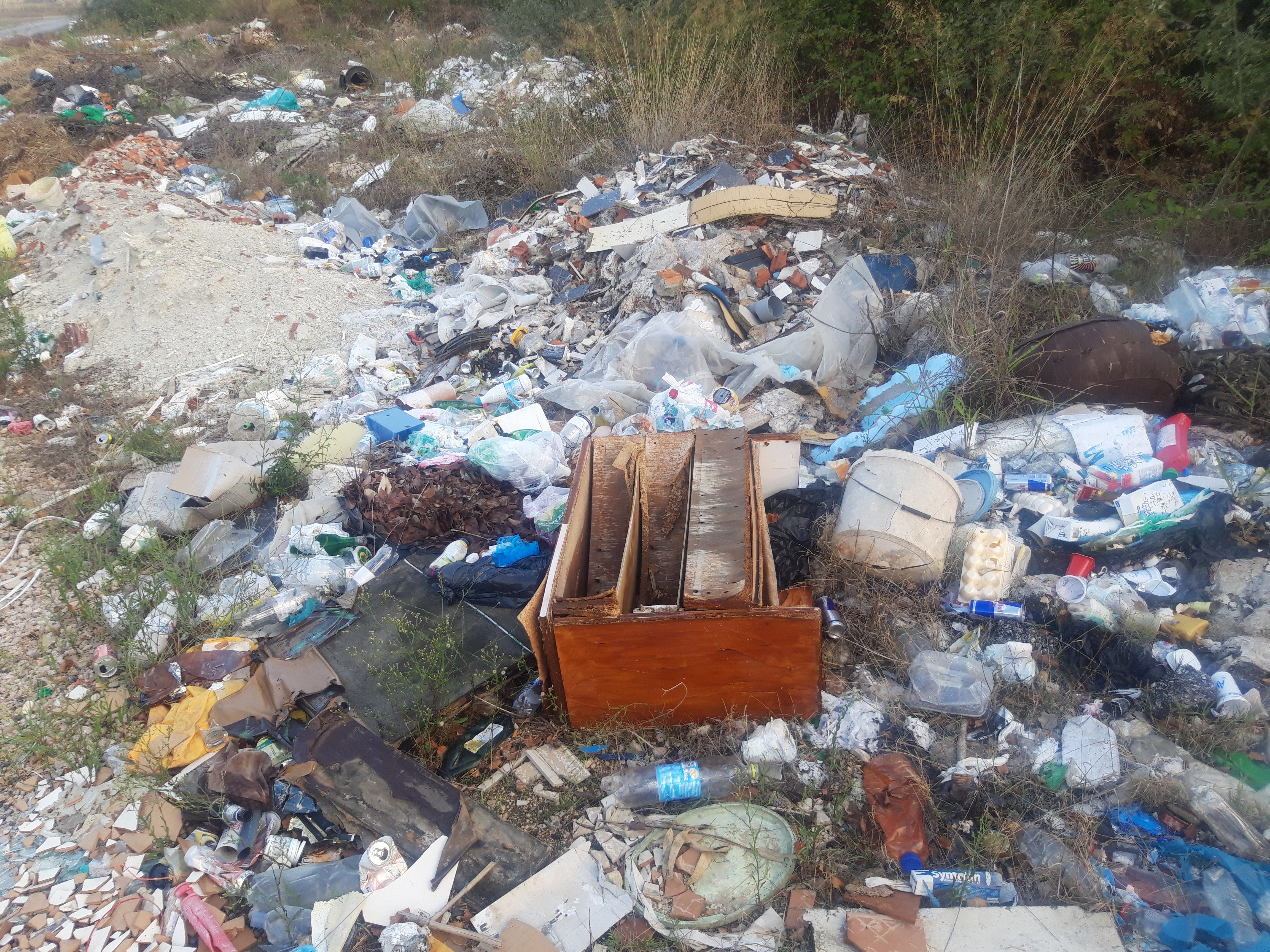
“On all beaches it has been determined that the biggest problem is plastic waste, which makes up more than 60% of total amount, in terms of both number and weight. The most common waste was cigarette butts and filters. Then come pieces of plastic 2.5–50 cm large, plastic packaging, plastic foil, sweet and food wrappers, as well as plastic bottle caps and lids,” Dr Mandić said.
Marine Assets announced that the Montenegrin government is preparing a monitoring programme, which includes waste in the sea, “all with the aim of improving the environment of the Adriatic Sea”.
“The new legal regulations must provide significant improvement and greater efficiency of the local businesses which are responsible for collecting and disposing of waste, but also development of mechanisms in Montenegro for recycling plastic, glass, metal and other packaging, as well as mechanisms for monitoring and reducing waste in production, such as the ban on single-use plastic products. This will all contribute to a reduction of the waste on the beaches and other public areas,” Miljan Živković, from the Public Company for Management of Marine Assets, said for CIN-CG/BIRN/Monitor.
However, dr Mandić considers the situation fairly worrying, “especially bearing in mind the fact that not much is being done on solving the problem, that there are no legal regulations dealing with the issue of marine debris, but also that there are not sufficient national funds for fundamental scientific research which would deal with the problem of the effect of the accumulation and transfer of waste on the health of marine organisms, and consequently also on humans.”
Given that marine debris crosses national borders and that, depending on the currents and winds, it can travel a significant distance in a short time, Dr Tutman says it is necessary to discuss this problem and its solution and work in coordination with the other countries “with which we share the Adriatic Sea”.
The environment ministries of Croatia, Montenegro and Albania agreed in Dubrovnik at the beginning of 2018 to “firm up cooperation and make use of the available European funds with the aim of solving the problems with marine debris in the Adriatic Sea”.
However, in the last two years, little of that has actually been done. The results within the common agreements and initiatives, such as the Joint Commission for the Protection of the Adriatic Sea and Coastal Areas, the Adriatic Trilateral and the EU Strategy for the Adriatic–Ionian Region are still not visible.
The Centre for the Protection and Research of Birds: The use of carrier bags to be banned
“Waste and plastic do not only affect people and they are not exclusively an issue of visual destruction of nature. Very often birds feed their chicks with microplastics, which not even marine mammals are immune to,” it is stated in a declaration by the Centre for the Protection and Research of Birds, whose activists have called on citizens to sign a petition for a ban on plastic bags. So far, 6,439 signatures have been gathered.
The Martin Schneider Jacoby Association has this year organised a series of operations to clear up Ulcinj’s beaches, Salina and the Pine Forest.
“Our volunteers came across the whole plastic waste landfills. We had expected a bad situation but not so many layers of deposited plastic waste, which the rain had covered over with soil, that we were almost falling through plastic while cleaning,”, Zenepa Lika, the president of the association, said.
Bearing in mind the fact that the best results have been achieved by education, the Ulcinj Rotary Club has recently implemented the project Zero Waste Promotion.
A member of that organisation Boris Marđonović said for CIN-CG/BIRN/Monitor that implementation of this project was financially supported by a group of tourists from Norway who spent the last summer in the Ulcinj Riviera for the first time. They were enchanted by the beauty of the city.
“But when they saw the amount of the plastic waste, they decided to launch a project through the Rotary Club insisting that kindergarten-age children be primarily involved in it.” According to Marđonović “solving this problem is an indicator of our development as a civilised society,”
We eat a credit card every week
At a global level, since 1900 about eight billion tons of plastic have been produced. Half of that quantity has been produced in the last 13 years. An alarming warning was sent from the United Nations Environment Assembly, which was held last year in Nairobi – the world’s seas and oceans are in a “plastic crisis”.
“By the middle of this century, 99% of sea birds will be poisoned by plastic, and even now more than a million are dying because of it,” Peter Malvik from the UN’s Environmental Programme said.
This institution states that every week we eat the quantity of plastic contained in a credit card, while the Ellen MacArthur Foundation warns that by 2050 there will be more plastic in the sea than fish.
The European Commission passed the European Strategy for Plastic in a Circular Economy in January 2018. Las year in June, a directive was adopted whereby new rules are stipulated for reducing and limiting the use of single-use plastic products, plastic cutlery, straws, earplugs etc. Member states are obligated to incorporate this into their national legislation by 2021. Besides preventing and reducing the effect of single-use plastic products, the aim is to move to other products and material in a sustainable way.
Mustafa CANKA

The “very bad status” which Montenegro’s Hydrometeorological Office gave to the River Zeta after examining the water is a mild description of the level of pollution which is causing locals to fear that they will fall ill more often. Experts claim that the institution and polluters are working together
Residents of the village of Grbe near Spuž are thinking of leaving their properties and looking for a less dangerous area. They want what they consider their birth right – the right to clean air, water and food.
“The right to live, nothing else,” says local Goran Đuričković.
Their ancestors divided the land up between their heirs so that each would receive a piece that bordered the river. This is why the properties along the Zeta are mainly long and narrow.
This 86-kilometre-long tributary of the River Morača and part of the Adriatic Basin is fed by waters from the north of the country which flow into Nikšić Field. This water, filtered in the womb of the earth, reappears at the place known as Glava Zete. Once rich in fish and plant life, the lower flow, instead of being a source of life, has become a dangerous channel into which wastewater drains from numerous companies. The fish stocks are almost totally destroyed and the locals fear that their health is threatened.
“We asked the Institute of Public Health of Montenegro to carry out health checks on people from that area, because for several years now we have had a high mortality rate from carcinomas, which wasn’t the case in earlier years. The Institute informed us they cannot make any decision on this for now because of their increased workload in light of the coronavirus epidemic,” said Đuričković for the Centre for Investigative Journalism of Montenegro, the Balkan Investigative Reporting Network and Monitor (CIN-CG/BIRN/Monitor).
The Institute did not respond to questions about whether they ever intend to investigate the claims of the locals from Grbe, nor why this has not yet been done.
An investigation carried out by CIN-CG/BIRN/Monitor has shown that those who are responsible for the state of the water are, first and foremost, the Water Authority, the Agency for Environmental Protection, the Inspection Service and the government departments which allow the functioning of serious polluters, even though those companies often do not have ecological compliance, water permits or other proofs about the quality of the matter they discharge into the river and the effect they have on the environment.
The Water Authority does not yet have a register of polluters. A CIN-CG/BIRN/Monitor journalist confirmed that wastewater is in fact coming out of the discharge pipes of companies which have not been issued permission by this body.
Laboratories without equipment
A specialist veterinary laboratory in October of last year examined fish that had been caught in the River Zeta. After cooking them, they confirmed “an unpleasant smell uncharacteristic of that species of fish”.
Examinations by the Water Quality Department of the Hydrometeorological Office of Montenegro (HMZCG) during 2019 showed that the Zeta had very poor physical and chemical characteristics. The last time an analysis was carried out was in November of last year.
“The waters of the Rivers Morača, Bojana, Ćehotina and Zeta had the status of ‘very bad’. The waters of the Cijevna, Gračanica, Lim, Lješnic, Ljuboviđa and Ibar had the status of ‘bad’, and this is in parts of the lower flows,” it is recorded in the analysis. It also shows that the Zeta has fewer invertebrates, which are sensitive to a polluted environment! Samples were taken “in the region of the confluence of the Zeta and Morača, at Vranjske njive”.
The HMZCG was not able to give an answer about how the “very bad status” is reflected in the fish stocks and agricultural produce from the meadows which are irrigated from the river and, hence, in the health of the local population.
“The Office is not technically equipped for this sampling and analysis work. But these examinations will have to be carried out by equipping the laboratories of the Office or by employing other laboratories,” said Nevenka Tomić, the head of the Department for Water Quality in the HMZCG for CIN-CG/BIRN/Monitor.
The Agency for Environmental Protection has, however, recorded the sources of pollution which affect the fish stocks: “communal wastewater, mainly laden with organic material, a pig farm, a chicken farm, Lazine Dairy, a slaughterhouse and an urban settlement”.
And a CIN-CG/BIRN/Monitor journalist, paddling a canoe along the Zeta on 16 July from Danilovgrad Bridge to the place Grbe, noticed a large number of pipes from which waste was being discharged into the river.
Besides the discharge from urban sewerage, there are also pipes from the Mermer and Šišković stone quarries, Lazine Dairy, Monte Bianco cheese factory, Primato-P slaughterhouse, Neksan-Čavor pig farm and the Administration for Criminal Sanctions...
From the majority of discharge pipes the wastewater made the river cloudy and an unpleasant smell emanated from it.
That day there was no wastewater from the outflows of the companies Primato-P and Eurozox, which there had been in the previous period. (Video: Iz prošle godine gdje se vidi da iz ovih kompanija stižu otpadne vode)
Permits expired, companies working
It is precisely because of these or even more alarming images recorded last year that the locals of Grbe were protesting for months.
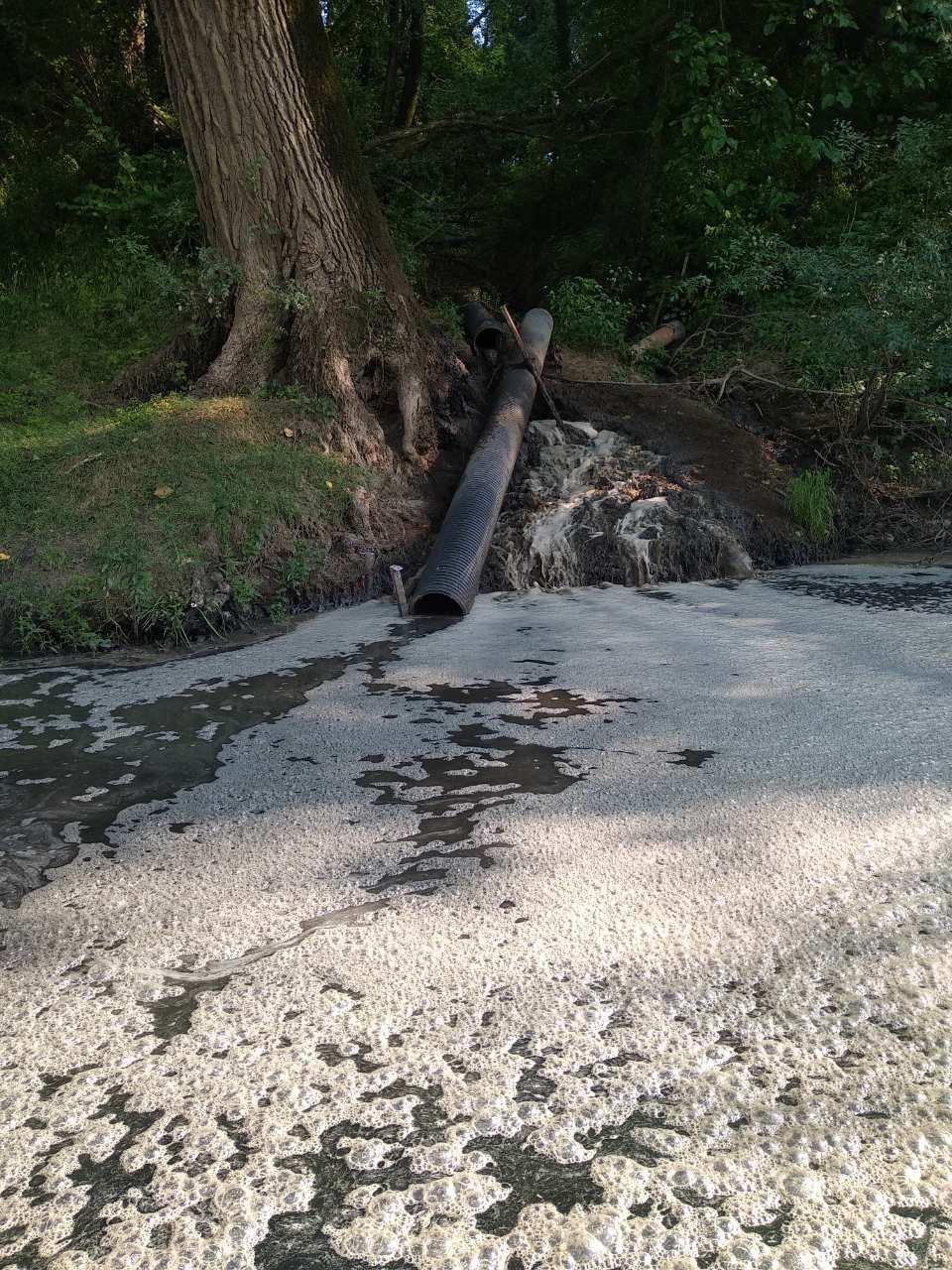
“As children we did not go to springs or houses, we drank straight from the Zeta. Today we cannot go near the river, it is so polluted, let alone go for a swim in it or drink from it,” says Đuričković.
He and his neighbours complained because of the unbearable stench coming from near the pig farm, but also because of the wastewater coming from the farm and the Primato-P slaughterhouse next door.”
In October of last year, the locals also submitted a criminal complaint against Dragan Čavor, the owner of the company Niksen-Čavor, claiming that his farm was polluting the environment. The Basic State Prosecution in Podgorica found that “there are no grounds for undertaking criminal prosecutions against any person, for any criminal offence for which he/she may be prosecuted ex officio”.
“Our system does not protect… We are asking for the law to be applied to every business,” Đuričković states.
The law states that every company that could affect the ecosystem of the Zeta must possess a system for cleaning up wastewater, as well as a water permit. A study is also supposed to be carried out regarding the effect on the environment, for which consent, depending on the jurisdiction, is given by the Agency for Environmental Protection or the local government organ.
The Water Authority told CIN-CG/BIRN/Monitor that, out of all the businesses whose outflow pipes discharge into the Zeta on the territory of Danilovgrad, only the Mermer and Šišković stone quarries, Zeta Energy, Senca, Eko Petrol and Jugopetrol have water permits. They obtained them for a period of 10 years and they are still currently valid.
The companies that are causing Grbe’s locals to complain – Niksen-Čavor and Primato-P slaughterhouse – do not have permits to discharge wastewater into the Zeta. At the end of May 2018 they obtained temporary permits which are no longer valid.
“The aforementioned temporary water permits were issued for a period of 12 months and expired on 31 May 2019,” the Water Authority informed us.
The owner of the pig farm, Dragan Čavor, claimed to CIN-CG/BIRN/Monitor that they no longer have to have a water permit because since December 2019 they have not discharged “even a drop of wastewater” into the Zeta. Now, he says, there is a separator in use, which separates out waste into solid waste and water, which they use for irrigation.
“Since we do not discharge water into the Zeta, there is no need for us to have a water permit”, Čavor explains.
However he had no answer to the question of who it was, then, that discharged wastewater into the Zeta in Grbe on 16 July of this year. This was confirmed by the CIN-CG/BIRN/Monitor journalist who took the video footage. In the place where wastewater had earlier been discharged from the pig farm and the slaughterhouse, a brownish liquid was flowing out, with a strong smell of pig faeces.
“Morally, materially and before the law, I claim that this wastewater does not come from the farm – where it does come from should be ascertained by the competent institutions. It is not technically feasible, because our outflow was concreted up in the presence of the water inspector,” claims Čavor.
During January and February of this year the water inspection checked the pig farm’s work twice and confirmed that the rules were being followed.
Who to believe – the owners or one’s own eyes?
Biologist Vuk Iković, however, claims that uncleaned wastewater containing animal faeces and urine is still being discharged into the Zeta.
“Knowing the activity of the surrounding businesses, this wastewater originates from either the Primato-P slaughterhouse or the pig farm, or both businesses,” says Iković, explaining that this is occurring mostly because of incorrect handling of animal waste.
“At this moment the pig farm is not polluting the environment in terms of wastewater. Everything we were ordered to do last year we have done,” says Čavor.
That the Primato-P slaughterhouse has continued discharging wastewater into the river without a permit, which expired in May of last year, is also confirmed to the CIN-CG/BIRN/Monitor journalist by the owner Panto Vučurović.

“If an investor does not have a water permit, it cannot begin to function. If an investor does not have a water or ecological permit, but still carries out its activities, it is the same as if you drive a public bus service and do not have a driving licence,” says Iković.
In order for someone to obtain a permit, according to him, he has to prove that wastewater from the production process will not affect the quality of the river. For this reason, he says, it is very important that the competent institutions have qualified officers who will be able to assess all the data which the investor submits.
When asked who is responsible for the fact that some companies can discharge wastewater into the river without a permit, the Water Authority points its finger at the business owners:
“It is the entrepreneur, or person who carries out the activity and does not put into effect the measures stipulated by law. However, when it is determined that the law or another rule has been violated, or that standards and norms are not being followed, the water inspector takes institutional measures and actions in line with Article 163 of the Law on Water Resources.”
In that article of the law it states that the inspector would also be able to prohibit a company from working if it does not have the necessary water permit.
In the last four years the work of the Primato-P slaughterhouse has been temporarily suspended for the reason that the wastewater had a concentration of harmful matter greater than the maximum allowed level.
During one of the last inspections of the slaughterhouse on 29 May, inspectors determined that there was no device for measuring the quantity of water discharged into the Zeta.
The slaughterhouse owner Panto Vučurović, in a telephone conversation on the eve of the publication of this investigation, claimed that the device was recently installed, so they are waiting for the competent inspector to go to the field to determine the factual situation.
In fact, the fact that they do not possess this device and the fact that it is not clear who manages the communal drains for atmospheric runoff (into which many companies’ wastewater drains) are the reasons why, according to Vučurović, they do not have a water permit. The application for obtaining that document will be submitted when all the conditions are satisfied.
Although Vučurović claims that their water treatment system is functioning and that only treated water is discharged into the Zeta, in February of this year the inspection determined that blood was flowing into the river from the slaughterhouse. A fine of €1,400 was issued to the responsible individual in the company Primato-P for this.
A blind eye turned to polluters
During 2018 and 2019, no one from the territory of Danilovgrad submitted data on the discharging of polluting matter to the Agency for Environmental Protection even though they were obligated to do this by the Law on the Environment and the Rulebook on the Detailed Content and Manner of Maintaining the Cadastre of Environmental Polluters.
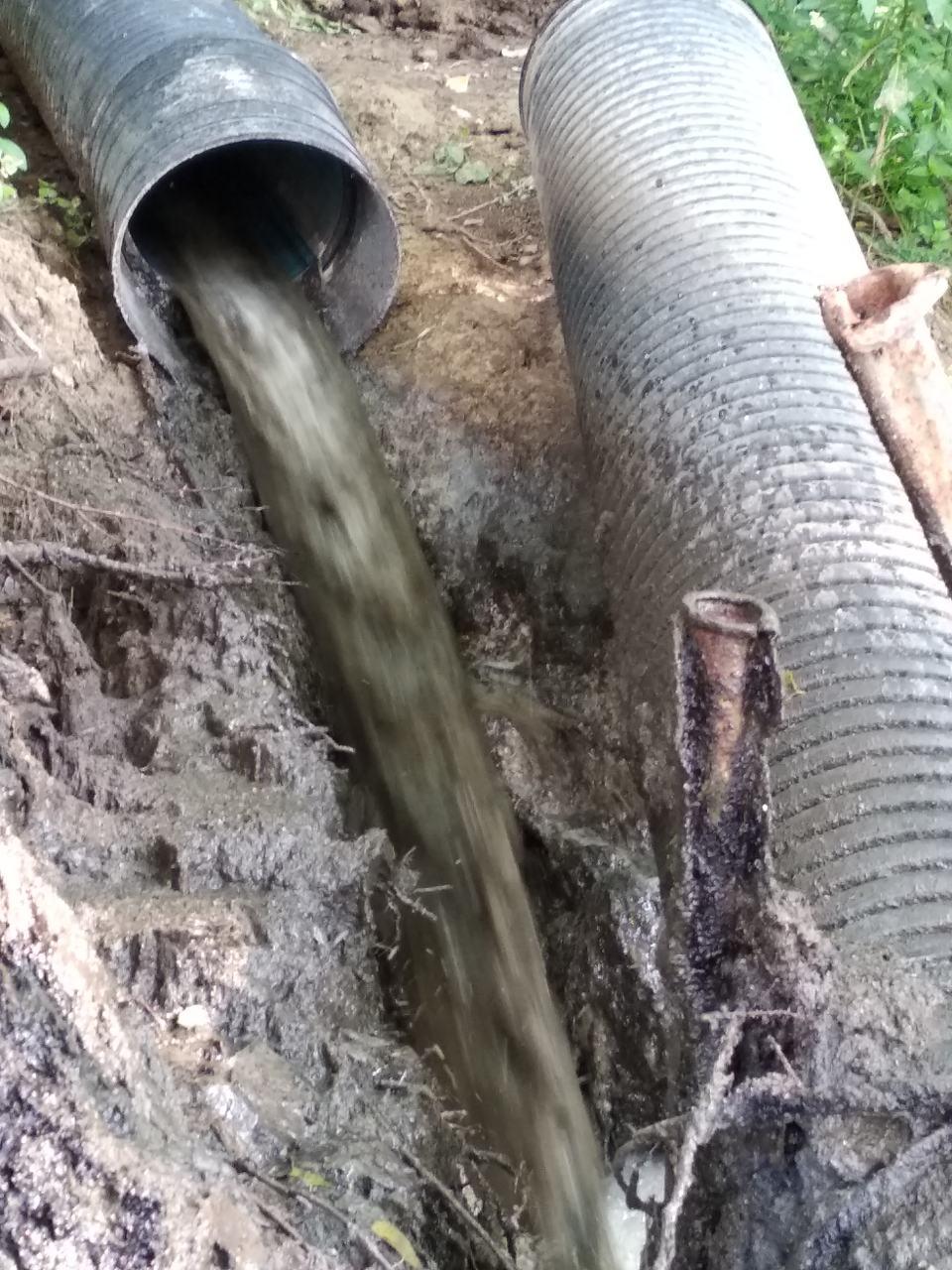
“The two biggest polluters – Niksen-Čavor pig farm and Lazine Dairy – do not have ecological compliance. For this reason alone, they were not allowed to begin working, but for years they have been using the River Zeta as a place to dump their waste,” says Iković.
In an interview with CIN-CG/BIRN/Monitor, Dragan Čavor said that a process was underway before the competent authority of the municipality of Danilovgrad, after which it would be known whether it was necessary to make a study on environmental impact assessment.
The dairy responded for CIN-CG/BIRN/Monitor, saying that since 2003 they have had ecological compliance issued on the basis of an assessment of the effect on the environment, which was also undertaken 17 years ago. Iković, however, claims that the dairy must carry out a new study. The new Law on Assessment of the Effect on the Environment from 2008, he says, is now in effect and the dairy has exceeded the capacities stated in the old study.
In the opinion of this biologist, the dairy’s document from 2003 was not valid either: “The content itself is such that the processor of the documentation and the responsible person who gave consent for this document should be processed, because they allowed the Zeta to be poisoned from the moment the dairy began to work.”
For this reason, he says, the failure to solve this problem “points to cooperation between the institutions and the polluters”.
“This says that the primary polluters are the institutions, because they are paid to guarantee a healthy environment and the health of the citizens,” says Iković.
An interlocutor from one of the government services, who is aware of events in this field, points to the lack of water cadastres – among which would also be a cadastre of polluters – as the biggest problem.
“There is no information system yet. The water authorities are at fault for this,” he says.
According to the Law on Water Resources, in Article 159, it states that “the water information system (…) is established and maintained by the competent administrative body”, in this case the Water Authority.
Our interlocutor notes that these “information systems”, i.e. the list of polluters, are essential for the inspection body to go out onto the field and check anyone who is potentially polluting the rivers.
“A cadastre of polluters is the basis for the work of the inspector. Without that list they can work only on the basis of complaints, but if they examine the terrain then they will come across polluters. However, all polluters need to be recorded so that the inspectors can know whom to monitor,” CIN-CG/BIRN/Monitor’s source states.
Besides the lack of cadastres, he notes that “those who issue work permits often neglect to make sure that businesses submit to them all the necessary documentation”. So, it often happens, he says, that someone begins to work without having all the necessary permits – a water permit or even a water treatment system.
“Either the officials are abusing their position, or are not getting too involved,” he says.
What’s left is cleared up by poachers
What the polluters haven’t done to the Zeta, poachers have, say CIN-CG/BIRN’s interlocutors.
The river is home to the softmouth trout, an endemic and protected species in Montenegro.
Thirty-five years ago, according to ichthyologist Danilo Mrdak, this was the most abundant type of trout in the Zeta.
“Now we can only hope that as many as a few hundred of this fish remain. For six years we have failed to catch one, and I have not heard of any angler managing it either,” says Mrdak for CIN-CG/BIRN/Monitor.
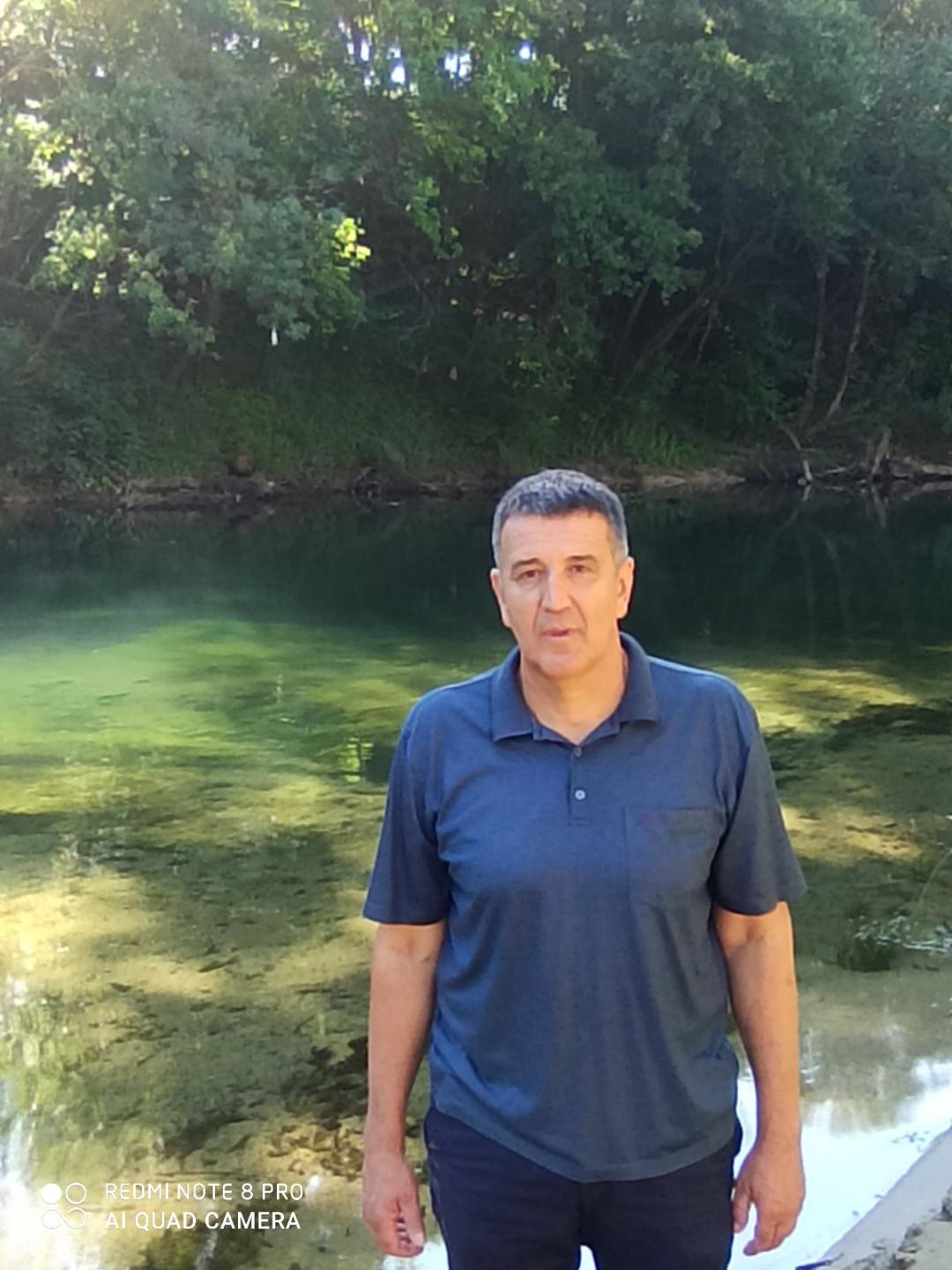
The vice president of the Municipality of Danilovgrad, Ilija Grgurović, speaks worriedly about what is happening to the Zeta. He claims that “poaching is also blossoming nowadays”.
“This fish is in such a bad state that it is facing extinction,” says Grgurović.
The business association “For the Breeding, Protection and Hunting of Game and Fish” Danilovgrad, which should be looking after the fish stocks, notes Grgurović, has five employees, of which three are poorly-equipped game wardens, on the verge of retirement.
“They were not up to the task… We have not succeeded in prosecuting a single poacher for years now… We cannot get hold of data on how many poachers there are, but there are definitely too many… There are poachers, but we have no proof. Only alerts and reports,” says Grgurović.
Mrdak claims that fish in the Zeta are threatened due to poachers and poor monitoring by the competent authorities.
“Truth be told, the common nase has appeared again, there are a lot of chub and also eels, but with the state of crayfish and marble trout, and especially softmouth trout, it is time to sound every possible alarm if we want to continue to have them in the Zeta,” says Mrdak.
In December 2019, after the “Study of the Protection of the Protected Natural Resources of the River Zeta” was produced, it was decided that fishing would be banned on the river except around the bridges in Danilovgrad and Spuž. It will be like this for the next three years.
Nemanja ŽIVALJEVIĆ

The transmission lines pass through the strictly protected area of Durmitor and Emerald areas of Lovćen and the rivers Komarnica, Tara, and Ćehotina. The project worth 106 million is also questionable economically after the Italians halved the submarine cable
The 400-kilovolt transmission line, which should link the south with the north of Montenegro, as a continuation of the undersea power interconnector of the Italian company TERNA, will irreversibly endanger nature in the Lovćen and Durmitor national parks and cause significant damage to the rivers of Komarnica, Tara and Ćehotina.
Despite warnings that the transmission line could go another route or underground through the parks, the authorities did not care enough about the environmental damage, but opted for the shortest alternative, in order to save 16 million euros. Thus, parts of national parks will be cut off, plant and animal species endangered, and the landscapes due to which these areas have been inscribed on the UNESCO list destroyed.
The Environmental Impact Assessment Study for the Čevo - Pljevlja corridor, conducted by “Liming project” bureau owned by Željko Asanović, states that forest habitats will suffer more damage due to fragmentation along the entire route, while non-forest habitats where transmission lines are installed will be irretrievably destroyed. The study specifies that, in addition to the territory of the Durmitor National Park, the transmission line route will have a direct impact on two Emerald sites - Komarnica and Ćehotina.
"The construction of the transmission line will destroy smaller areas of NATURA 2000 habitats in the Komarnica canyon, Sinjajevina, and the Ćehotina valley. There are no rare habitats among them in Montenegro,” it is stated in the study, which the Center for Investigative Journalism of Montenegro (CIN-CG) received from the Environmental Protection Agency. Apart from the canyons of the Komarnica and Tara, as it is pointed out, transmission lines pose a special threat to birds of prey through collision with electric vires during the capture of prey. However, the authors of the study believe that, given the narrow space of the route, "the survival of any species will not be called into question."
Emerald is an ecological network made up of areas of special conversation interest. It operates in parallel with the Natura 2000 program in the European Union.
Energy experts are also questioning the economic viability of this transmission line and the investment of 106 million euros, because the submarine cable was ceremoniously put into operation on November 15 last year, only half of the announced capacity, 600 instead of 1,200 megawatts. That is why the transmission of electricity is performed without any problems by the existing network of transmission lines.
Savings was the main goal for the creditors as well. A document from the European Bank for Reconstruction and Development (EBRD), which provided a 60 million euro worth loan to the Montenegrin Electrical Transmission System (MNE: CGES) for the 106 million euro worth project, points out that one corridor solution avoiding both national parks was analyzed in the Environmental and Social Impact Assessment (ESIA) in which the Center for Investigative Journalism of Montenegro (CIN-CG) had an insight to.
"This corridor would be over 200 km long compared to the proposed 152.5 km corridor, and longer for about 50 km . This would raise costs by about 16,000,000 EUR, or about 27 percent. This alternative was not considered economically feasible," it is stated in the document.
Economic savings and a shorter route means the transmission line to pass 11 kilometers through the Lovćen National Park and another three kilometers through the Durmitor National Park.
The EBRD's website states that they consulted several environmental NGOs to assist CGES in preparing the ESIA in line with the EU Directive and the bank's requirements.
One of them is Green Home, whose executive director Natasa Kovacevic emphasized for CIN-CG, that they have warned the EBRD that this project is not following the principles of environmental sustainability and asked it to refrain from financing it in the foreseeable future unless all issues are resolved adequately.
During public hearings on environmental impact assessments organized by the EBRD and the Environmental Protection Agency (EPA), three key issues were highlighted - the environmental damage of the project, socio-economic justification and shortcomings in spatial planning.
“We tried to point out that the planned transmission line passes through the zone of strict protection of NP Durmitor and the second zone of NP Lovćen and additionally passes through four Emerald areas (Lovćen, Durmitor, the rivers Komarnica and Tara) as future Natura 2000 areas, and that the planned corridor and route violates the provisions of the Law on Nature Protection, " Kovacevic told CIN-CG.
According to her, the alternative was not chosen because avoiding the Lovćen National Park would be 18 kilometers longer and 7.74 million more expensive, and in the case of the Durmitor National Park, that would mean an additional 29 kilometers and 8.35 million euros.
Kovačević emphasizes that the visual and landscape identity of Durmitor and the Tara River is especially endangered by the transmission line: "Classified as highly sensitive, intolerant of changes, and it was already clear that the combined 40-50 meters transmission line poles through Durmitor and the Tara River canyon would significantly jeopardize one of the most important criteria for declaring this area a UNESCO natural heritage site."
The route of the transmission line in two places cuts off the map of the Emerald zone of NP Lovćen, which can be seen from the study for the transmission line "Lastva - Čevo" from November 2014, which CIN-CG received under the Law on Free Access to Information. The study done for the needs of CGES was conducted by the "Medix" bureau whose founder and executive director is Ljiljana Vuksanović.
Biologist Vuk Iković, a representative of the organization KOD, also points out that the transmission line caused the loss of the visual identity of Lovćen, distorting, in addition to the landscape, the biological value of the park.
The KOD believes that, if national parks could not be bypassed, an underground cable should have been chosen. That would not be an exception, because about 5.5 kilometers of underground cable was laid from the Adriatic coast to the converter station in Lastva.
"Maybe some other country would have a justification for not using the underground cable, but not Montenegro since it is defined by the Constitution as an ecological state. Our state should be covered by forests, not cables, cords, and pipes," Ikovic told CIN-CG.
CGES told CIN-CG that the option of laying underground cables in combination with an overhead transmission line was considered, but that such a solution "in addition to introducing disturbances, i.e. significant problems in the operation of the transmission system, is also avoided in international practice."
"Such a way of building the transmission lines would be economically unprofitable, especially having in mind the configuration of the terrain, i.e. mountain topography and forests, where the works on laying the underground cable would be far more complex, extensive, accompanied by mining, which would have a much greater impact on the environment and society as a whole,” CGES claims.
During the selection of the corridor, as pointed out by CGES in the answers to the CIN-CG's questions, care was taken to bypass protected areas, avoid fragmentation of national parks, as well as to use the routes of the existing 110-kilovolt transmission lines as much as possible.
The EBRD document states that the route of the transmission line in some parts of the Lovćen National Park is up to 100 meters wide. Ikovic points out that the harmful consequences most often occur "at a distance of one kilometer from the route itself". He says that building of a transmission line or a road prevents part of the animals from reaching the feeding ground or breeding area. Certain species must be exposed to the sun to move from one part of the forest to another which may be "fatal for many of them." But it not clear what consequences it may have, because in the Study on the Environmental Impact Assessment for the Transmission Line Čevo - Pljevlja, Iković points out, it is written that it has not been investigated in detail.
"If you do not know with great certainty the state of nature, then you cannot even know how a transmission line will affect the animal world and what measures should be prescribed to reduce the negative impact. The doctor cannot prescribe you medication before making a diagnosis ", Iković warns.
Some forest species that are active during the day must cross the cleared area and be directly exposed to the sun. This is fatal for species that lose water quickly such as amphibians.
Ikovic points out that, for example, salamanders are on the list of protected animals in Montenegro and are highly sensitive to temperature changes.
"If the cleared area passes through the reproductive center of the salamander population (e.g. ponds or puddle), then that species will disappear from that locality because there is no place to lay eggs. A similar thing happens if the route in the form of a barrier prevents salamanders from reaching the pond," Ikovic said.
Nature was not taken into account when the transmission line was built, but, in Iković's opinion, it was designed "according to petty-own interests".
He reminds that national parks, in addition to natural wealth, also have a strong tourist dimension. According to official data, all five were visited by 600,000 people last year, mostly Durmitor.
Ornithologist Bojan Zekovic from the Center for Protection and Research of Birds (CZIP) also told CIN-CG that he is additionally concerned because "the area of Jezerska Površ (Plateau of Lakes) on Durmitor, especially around Bara Zugića, is important for the migration of predators," which are also the high-risk group due to the possibility of death from electric shock or collision with installations.
Zekovic says that further monitoring is necessary to see which species are most endangered and in which parts, but he also suggests the installation of jammers and insulators.
Cecilia Calatrava, a communication specialist at EBRD, told CIN-CG that during the route selection they agreed on "measures with CGES to reduce the consequences in the NP, including local analyzes for setting up poles and timing for construction works that are out of the season of nesting and mating birds."
Unlike the environmental organizations Green Home, KOD, CZIP, and others, the Public Enterprise National Parks claims for CIN-CG that the entire transmission line route goes through the third zone of both parks, which, according to the Law on Nature Protection implies that settlements and accompanying infrastructure can be built.
Considering that Terna, instead of a 1200MW submarine cable, installed half as small, economist Dejan Mijović believes that the existing high-voltage transmission network, built with the support of the World Bank in the 1970s, and which connects all countries of the former Yugoslavia, can service all electricity trade of Montenegro and its neighbors with Italy.
"CGES's investment in the construction of the Lastva transformer station and its connection to the existing transmission network was rational and justified. However, the construction of a new transmission line to Pljevlja and the destruction of national parks was unnecessarily rushed after the Italian Terna gave up laying the second core of the 600MW cable, without any guarantee that it would do so in the foreseeable future. Therefore, it would be most rational for CGES and Montenegro to immediately stop further construction of the transmission line and the use of the unspent part of the EBRD loan. Even if the Italian partner changes its mind in the meantime, a part of the transmission line should be dismantled, which completely devastated our most beautiful natural areas and endangered the survival of the local population, because it made them unsuitable for the development of rural tourism. In any case, it is necessary to carry out a detailed cost-benefit analysis of alternative construction options, i.e. the possibility of bypassing or laying an underground cable through the most vulnerable areas, as this has never been done properly. I am convinced that such an analysis would show that there is a solution whose benefits for society would be significantly greater than the slightly increased construction costs," Mijovic said in an interview with CIN-CG.
He reminds that Terna's initial motive was to enable the import of cheap electricity from the region because it could be sold at higher prices in Italy. They counted on large imports from existing and newly built production facilities in the region, not just green energy, which required a 1,200MW cable.
"They gave up when they realized things were not going according to plan, that numerous, market-competitive solar and wind power plants (financially viable without state subsidies) were being built in Italy, while Montenegro and other countries in the region were not realizing planned investments in expensive and unprofitable thermal and hydropower plants ", Mijović said.
Terna did not answer CIN-CG's questions about whether and when another submarine cable is expected to be installed, and CGES said that it was "primarily related to the future needs of the electricity market in both the Balkans and the Apennine Peninsula." Referring to the executive director of TERNA, Luigi Ferraris, the Italian media announced that the second cable can be expected only in 2026-2027.
CGES previously told CIN-CG that the works on the construction of the transmission line through the Durmitor National Park have not started yet, except for the preparations for cutting down the forest on the access roads and the transmission line route on the territory of Zabljak. The COVID-19 pandemic, they point out, has partially slowed down the works, but they will try to finish them on time.
"The plan envisages that the works on the construction of the TL Čevo - Pljevlja will be completed by the end of 2021," it was stated in the response from CGES.
The total budget of the transmission line project is around 106 million euros. As of 2019, more than 95 million euros have been spent. The construction of the "Lastva-Čevo" section amounted to about 31, while about 40 million euros were allocated for the "Čevo-Pljevlja" part.
Through the estate, no matter what
The persistence of CGES to pass the transmission line through national parks will affect citizens as well. Radomir Martinović from Cetinje goes to Ulcinj every other day to get milk to make and then sell cheese. He had moved a herd of cows from the Lovćen National Park to the south after transmission lines were installed over his property.
On the estate, a few kilometers before a popular picnic spot Ivanova korita, in addition to two houses, Martinovic also has an unfinished motel. The problems, he claims, started when the commission of the Real Estate Administration, composed of four court experts, determined that "there should not be residential or other construction facilities in the corridor of this section of the transmission line".
After Martinovic's complaint, the same commission noted three months later that "transmission lines diagonally divide arable agricultural land and the small part of land remains on the southwest side, with a family house and an auxiliary facility."
The document of the commission of the Real Estate Administration from mid-July 2013, which CIN-CG had access to, states the concern "that there is a possibility that electric and magnetic fields adversely affect human health, because they encourage the development of malignant diseases, leukemia in children, to destroy the body's immune system, create suicidal instincts in people who stay longer in the transmission line zone ".
The Commission assessed that CGES should consider the possibility of relocating the transmission line route. Martinović says that his relatives offered the transmission lines to cross their properties. CGES told CIN-CG, however, that in 2017 they analyzed how to avoid Martinovic's property, but, "unfortunately, neither the owner nor his neighbors and relatives showed readiness to accept a compromise solution."
“… A fair compensation for the real estate which is the subject of expropriation has also been considered, but Mr. Martinovic did not agree with the proposed one,” the state-owned company said.
Martinović points out that they offered him about a quarter of a million, but that foreign experts estimated that his property was worth three million euros. He would be satisfied with two million, to buy another land, build a motel and continue the family business with his sons.
No agreement was reached, and CGES explains that based on the decisions of the Real Estate Administration and the Basic Court in Cetinje, it installed a transmission line over the property "as provided by the Detailed Spatial Plan (DSP) and the issued building permit, because the landowner did not allow any works ”.
The KOD organization, which has dealt with this and several other cases, says that CGES did not approach the compensation of the local population on a fair basis.
"In 2017 alone, CGES earned 34.7 million euros with a profit of 4.7 million euros. They offered the family we had contact with 2.3 euros per square meter, although the expert's report says that the possibility of use will be significantly reduced. In the vicinity, the land is sold for over 20 euros per square meter ", Iković said.
The maximum capacity
According to CGES data, from the commissioning of the submarine cable until the end of August, including transit through the Montenegrin system, 916,631.59 MWh was imported from Italy, while 916,641.03 MWh was exported to that country.
Despite significant challenges and disruptions in the electricity market with the emergence of the coronavirus pandemic, the results so far not only support the thesis of the cost-effectiveness of the submarine cable project but also exceed the company's expectations, CGES said, pointing out that they "regardless of when the second core will be laid", received at their disposal a part of the capacity of the submarine cable of 200 MW, which was defined at the beginning of the project.
Based on the data on the site, it can be seen that a maximum cable transmission capacity of 600 MW was often used.
“Revenues of transmission system operators come from the allocation of cross-border transmission capacities. CGES earned € 4,435,201.93 at the auctions of cross-border capacity allocation on the border with Italy, while in the first nine months of this year, the revenue from the allocation of cross-border capacity with Italy was € 3,755,552.57,” the CGES stated.
Miloš RUDOVIĆ
EVEN THOUGH THE EUROPEAN PARLIAMENT DECLARED 2028 AS A REASONABLE DEADLINE FOR AN ASBESTOS-FREE EUROPE, MONTENEGRO DOES NOT HAVE ANY ACCURATE RECORDS OF CANCER-CAUSING MATERIAL OR A PLAN FOR ITS REMOVAL
"My child will be bathing there tomorrow," Mladen Krivokapic told CIN-CG/Monitor.
He is one of 15 workers who worked on clearing the terrain of the former Bijela Shipyard. The removal of huge quantities of grit and other dangerous materials was supposed to be completed by the end of June. But their contracts were not extended in May, after, as they claim, they warned their supervisors that the area is being cleaned unprofessionally and that dangerous asbestos-containing material remains in the environment which poses threat to human health.
''In some places, the ground was dug seven meters and it was properly cleaned, while in other, against regulation, only half a meter. We asked the Nature and Environmental Protection Agency (NEPA) and Center for Ecotoxicological Research (CETI) to check it. However, instead of CETI taking the sample itself, the Valgo Company provided samples for it, after which CETI claimed everything was fine. NEPA didn’t even show up,'' Krivokapic claims.
The five-member team, which, according to him, was trained by experts from the Valgo Company from Paris, extracted asbestos from the grit.
"They had complete equipment, like astronauts - gloves, masks, suits, oxygen. Up to eight kilograms of asbestos were extracted daily and stored according to a special procedure. Several tons of asbestos are now stored in the Shipyard, waiting for export ", Krivokapić says.
We have not received answers from the Valgo Company, whose representatives signed the contract with the Ministry of Sustainable Development and Tourism in June 2018, on the soil remediation in the former Bijela Shipyard. NEPA hasn’t responded either regarding the claims of the fired workers.
Valgo has been selected following the international tender. The removal of grit (solid waste and contaminated land) is part of a project to rehabilitate black environmental spots, for which Montenegro has taken a 50 million euro loan from the World Bank. After that, a mega yacht service is planned to be built in Bijela, based on a 30-year concession given by the Government to the Damen-Porto Montenegro consortium.
The protest of these workers and the asbestos stored in Bijela additionally brought to the fore the topic of the health risk of the population. Even though the European Parliament approved a resolution in 2013 declaring 2028 a reasonable deadline for "an asbestos-free Europe", Montenegro still does not have accurate records of asbestos-containing facilities or a precise plan on how to remove from the environment material that causes some of the most serious diseases.
Government institutions dealing with ecology are mainly concerned with shifting responsibilities and recalling that the 2016 Law on Environment (11 years after the EU directive) completely prohibits asbestos-containing products from entering the market, as well as the use of all types of asbestos fibers. They also remind that it stipulates that facilities built after this period, do not contain asbestos.
Inhalation of asbestos fibers causes lung cancer
Existing facilities and devices are an issue. Inhalation of asbestos fibers has been shown to cause lung cancer and other lung diseases. Asbestos fibers are invisible, up to 500 times thinner than hair follicles. The consequences of exposure to a "silent killer" can occur even after 40 years.
"Asbestos is all around us" – this is the title of a publication published ten years ago by the Croatian Institute of Toxicology. It is very similar to the Manual on the Handling of Materials Containing Asbestos Fibers issued in 2017 by the Ministry of Sustainable Development and Tourism (MSDT) and the Nature and Environment Protection Agency. According to this manual, every building that was constructed or refurbished before 2000 could contain asbestos.
Prominent Dutch expert Harry Vonk, the author of numerous books on the subject, pointed out, during his visit to Belgrade last year, that more than 18,000 items contain asbestos, of which only 15 percent do not cause cancer.
"Harmful health effects of inhaled asbestos particles are a consequence of its proven carcinogenic effect," Dr. Ivana Joksimović from the Institute of Public Health of Montenegro told CIN-CG. "If necessary, asbestos removal should only be carried out under strict control measures to avoid exposure. This requires the use of personal protective equipment - special respirators, protective goggles, gloves, and clothing, as well as adherence to special instructions for their decontamination."
From water heaters to brakes
Joksimović reminds that asbestos was installed in households in different places, in external or partition walls, different forms of cement mixture or mixture with polymers such as vinyl, old roof panels, as an insulator in ovens, water heaters or steam heating boilers, in plumbing pipes, electrical appliances, car brake systems, gloves and clothing for heat protection…
Joksimović states that workers in the following industries are at risk of contracting asbestosis and other diseases related to asbestos: shipbuilding industry, tractor industry, motor and textile industry, construction workers, workers renovating houses and removing asbestos, as well as miners.
"It is very important to emphasize that asbestos materials must not be touched unless it is necessary because decomposition is a very big issue during its removal due to the health risk to which both workers and citizens are exposed," Joksimović emphasizes.
The World Health Organization estimates that 125 million people worldwide are exposed to asbestos in the workplace each year. According to the International Labor Organization (ILO), more than 107,000 workers die each year from disease caused by such exposure. Several thousand people die each year from asbestos in their surroundings. According to European experts’ estimates, about half a million people in the EU will die by 2030 due to asbestos exposure in the second half of the 20th century. Although asbestos was banned by Sweden 30 years ago, the number of deaths due to occupational exposure to it is two to three times higher than the number of deaths due to work-related injuries.
The consequences of asbestos exposure in Montenegro are not sufficiently known.
"According to data obtained from healthcare institutions, diseases that can be linked to asbestos exposure are rarely reported, but there is currently no mechanism to confirm the causal link with certainty. The establishing of the register of occupational diseases will create conditions for connecting, identifying and confirming asbestos-related occupational diseases", Joksimović says.
Such register has never existed in Montenegro, and the Government's Strategy for Improving Occupational Medicine 2015-2020 states that "there is no reliable data on the incidence and prevalence of occupational diseases." There is a Rulebook on Determination of Occupational Diseases, which lists 56 occupational diseases, including asbestosis of the lungs, but there are no data on sick persons.
Đina Mitrić, the coordinator of the Safety at Work Association of Montenegro (SWAM), reminds us that this first of August, on the World Lung Cancer Day, the need to raise awareness about the risks was pointed out. One of the most common forms of cancer is associated with exposure to dangerous substances, such as asbestos.
"But, it seems that people in Montenegro don’t want to listen about that," Mitric said.
Experts needed only because of the loan
According to her, the Association contacted professors from the Faculty of Metallurgy and Technology who were in the expert teams regarding the mentioned grit in Bijela and found that none of them had any information on what was happening at that location.
"The moment the funds were received from the World Bank, their expert opinions were no longer of interest to anyone. It is only known that the grit still lies in the crumbling sacks in Bijela. Nobody knows what happened to the asbestos that was extracted from it and other dangerous heavy metal impurities," Mitric says.
Civil engineer and appraiser Predrag Nikolic points out for CIN-CG that it is necessary to remove asbestos pipes in the water supply system. That job will imply certain health risks, so the necessary equipment and protection should be provided. Monitor/CIN-CG wrote that it is necessary to replace about 620 kilometers of water pipes in Montenegrin waterworks, for which 100 million euros are needed.
When it comes to the region, the progress has been recorded. Siniša Mitrović, from the Serbian Chamber of Commerce, explains for CIN-CG/Monitor that last year they intensified cooperation with the Dutch company KIWA, which is the leading company in Europe for asbestos disposal. So far, they have created the project Asbestos Monitoring in Serbia, in which special emphasis is placed on public facilities - schools, military barracks, centers for social work, health and agricultural facilities, water supply infrastructure…
"We are raising the capacity of the laboratories for testing the presence of asbestos in construction facilities, and the first asbestos handling center during the demolition of buildings and its proper disposal. We are finishing the new Rulebook on asbestos since the previous one was made in 2010. The most important thing is that we are ready for the regional monitoring project, as well as for the regional center for permanent storage of asbestos ", Mitrović says.
He recommends to his colleagues in Montenegro to establish contact with a Dutch company, which, among other things, can help access EU funds to solve this problem.
"The cadaster of facilities containing asbestos has been established, but since there is no legal regulation by which representatives of local self-governments would be obliged to report such facilities, that work cannot be carried out well," Mirjana Sklabinski from the Serbian Ministry of Environmental Protection stated.
"The Ministry of Sustainable Development and Tourism does not have data on facilities in the construction of which asbestos was used," the MSDT answered CIN-CG/Monitor.
According to the architect Borislav Vukićević, this indicates a whole series of problems. He explains that the establishment of a database on asbestos-containing facilities is the first step on the way to defining procedures for its safe removal.
''If there is no initial data - then it is not possible to plan further activities. This does not only apply to the list of facilities. It is necessary to determine the exact positions of the asbestos elements in those facilities - which would be, I suppose, a serious and demanding job - which would necessarily precede the removal itself ", Vukićević said.
The Agency recalled the existing manual and submitted data that in 2010 they issued a permit for the export of 1,500 tons of waste construction materials containing asbestos. The second permit was issued in March 2018, when 200 tons were exported. The waste was exported to Germany, and the work was done by the Hemosan Company from Bar.
Zoran Nikitović from Hemosan says that their company worked on the removal, packaging, storage, and export of hazardous waste, including asbestos waste, on the entire territory of Montenegro. Since 2010, they have exported a total of 1,488.70 tons of all types of hazardous waste - Porto Montenegro 594.20 tons, Lustica Development 145 tons, Porto Novi 220.37 tons. It is exported to EU countries, and one of them is Germany.
"The price is determined by parameters such as quantity, type, export destination, packaging, storage," Nikitovic says. He is not allowed to state the precise price due to contractual obligations, he explains, but they range from 1,100 to 1,300 euros per ton.
"The main goal is to protect the population from a disease called asbestosis, which causes lung cancer and which is recognized in the world as one of the causes of lung diseases. It is very important that protection measures are carried out rigorously and that there is no improvisation in this type of work, as with all types of hazardous waste. Exports are done according to the Basel Convention and it is quite difficult to get a permit to the final destination. After packing, it can be stored at the location of work, or if there are smaller quantities in our warehouses that are specialized and safely packed ", Nikitović says.
When asked what kind of waste construction material it was, whether they were removed from old buildings, how much it cost to remove it and export to Germany, the Agency said that they did not have that information and referred us to MSDT.
The Administration for Inspection Affairs, however, states that the Agency also has competencies: "Asbestos that is installed in buildings, in case of demolition, i.e. removal is considered hazardous waste, according to the Law on Waste Management. Investors, or contractors, depending on who is the holder of such waste, must develop a Construction Waste Management Plan, and since asbestos is considered hazardous construction waste, they must obtain the consent of the Nature and Environmental Protection Agency."
"In previous years, on several large investment projects, the asbestos roofing was removed. A legal entity licensed by the Agency for Management of this type of waste was in charge of asbestos removal. The Administration stated that after its removal, it was packed and after obtaining permits, exported from Montenegro for permanent disposal.
MSDT told CIN-CG that "in order to introduce energy efficiency measures", a large number of health facilities, educational and social institutions and buildings, where the administration is located, were renovated, and that "… in case of finding asbestos materials it was removed and managed in an adequate and legally prescribed manner." For the exact number of facilities, we were referred to the Ministry of Economy.
Former Minister of Sustainable Development and Tourism Pavle Radulović, was not specific in one of the last public appearances in October last year during the parliamentary debate, in which he, referring to asbestos and a large number of cancer patients, stated:
''The existence of asbestos is a factual situation. We are grown people, we can tell fairy tales, but asbestos pipes, roofs, and facades still exist in certain parts of Montenegro. These citizens have been warned. I hope that the state will regulate it through the social program since the citizens cannot finance the replacements themselves.''
Radulovic has resigned, and Prime Minister Dusko Markovic is currently at the head of MSDT. Asbestos is not in the program documents of the current election campaign.
NO MORE WASTE EXPORTS TO SPAIN
In Bijela, it was necessary to treat 150 thousand tons of materials - land, dust from metal residues, and other waste, on an area of about 18 thousand square meters. The project relies on Valgo's expertise (Valgo is an asbestos removal and soil remediation company) regarding detailed analysis of contaminated soil and treatment of sensitive waste including hydrocarbon derivatives, metal, and asbestos.
From March to August last year, 38,500 tons of grit were exported to Spain. In September last year, the Montenegrin government asked Spain for permission to export another 30,000 tons of solid waste and 40,000 tons of contaminated land but they refused. Since then, grit export has been stopped. Valgo Company announced in April this year that the Norwegian Environmental Protection Agency had given the green light for the import of contaminated land from the Bijela Shipyard.
"Tons of grit, enough to fill seven to eight ships are waiting to be exported. Everything stopped, although according to the contract with Valgo, it was supposed to be finished by June 30 ", Krivokapić says.
ASBESTOS-CONTAINING MATERIAL WAS KNOWN TO BE HARMFUL
Asbestos was widely used in construction between 1950 and the mid-1980s. This material was installed in factories, halls, houses, entire residential areas, but also in schools and hospitals throughout the former Yugoslavia. It is most often used in the components of vinyl tiles and vinyl floors and a popular asbestos roof panels in Yugoslavia.
The Salonit factory in Vranjica near Split, which has used asbestos in the production of construction materials since 1921, has produced over seven million tons of asbestos roof panels.
"It was known 40 years ago that asbestos was harmful. I remember that my father took it off from the old house, so he covered the barn and barracks with it ", says a farmer from Bjelopavlići. A similar experience is described in Croatian manuals dealing with this topic: "If people were aware of this danger, it would not happen that the replaced asbestos roof covering would end up as a temporary roof covering for all possible canopies, storage rooms, as protection and a roof for wood and dog houses, etc."
Asbestos is a solid material, and any work on its removal or replacement when it breaks, punctures, drills, creates an emission of asbestos dust, which when inhaled causes serious diseases.
In 2018 alone, close to 300 tons of asbestos waste was removed in Serbia. The plan is to make a national register in the next two years so that Serbia can apply for European funds and thus repair as many facilities as possible.
Predrag NIKOLIĆ
Andrea JELIĆ

Experts claim that asbestos water pipes are not so harmful, but their replacement is primarily to protect human health and the environment. It is estimated that the investment requires at least 100 million euros, while the state still does not have 750 thousand for the project
Health protection of the population and huge technical and economic losses are officially the reasons why Montenegro has to follow the example of other European countries and replace about 620 kilometers of water pipes, made with a mixture of asbestos fibers and cement.
It is uncertain when the whole work will start because 100 million euros are needed, and currently, there is not even 750 thousand euros for the project development - the research of the Center for Investigative Journalism of Montenegro (CIN-CG) and the weekly Monitor has shown.
Currently, only the residents of Plužine and Petnjica have the privilege of not drinking water from asbestos-cement pipes. Others can only comfort themselves that there is no reliable evidence of the harmful effects of ingesting asbestos fibers. However, inhaling asbestos can cause cancer.
In Montenegro, the ban on placing on the market and use of asbestos fibers was introduced only by the 2016 Law on the Environment. Due to the possible carcinogenic effect, this material was banned in the European Union (EU) in 2005. This regulation allows the use of products containing asbestos fibers, installed or in service before 2005, in the EU until their disposal, i.e. the end of their service life, so many European cities still face the same problem.
Asbestos was widely used in construction between 1950 and the mid-1980s when pipes made of this material and cement were installed in water supply systems in all countries of the former Yugoslavia.
Inhalation of asbestos fibers proven dangerous: Hygiene specialist Dr. Ivana Joksimović from the Institute for Public Health (IPH), who conducts the sanitary analysis of drinking water, explains for CIN-CG/Monitor that asbestos is a naturally occurring fibrous silicate mineral, mostly magnesium and iron. Due to its characteristics - resistance to temperature, stretching, and chemicals, it was used for the production of water pipes during the last century.
Thus, these pipes are still part of the distribution networks of European and world capitals. It is estimated that there are more than 400 kilometers of them in the Belgrade water supply system, and it is similar in Budapest, Barcelona, Sofia, Vienna, Lisbon, Warsaw, Rotterdam…
Harmful health effects of inhaled asbestos particles, as Dr. Joksimović points out, are a consequence of the proven carcinogenic effect.
"However, not all the details regarding the health effects of asbestos intake through drinking water passing through asbestos-cement pipes have been clarified yet. Nevertheless, it is considered that ingesting is far less harmful from the health aspect than the inhalation of asbestos particles ", Joksimović states.
Hydrologist Mihailo Burić told CIN-CG/Monitor that due to erosion or physical damage to the pipes, there is a risk that asbestos fibers can be found in the water: “This is everywhere marked as a health risk and asbestos pipes are phased out from the residential, commercial and industrial piping. Asbestos does not dissolve in water, so there is no danger on that basis." It is not known to Burić if asbestos has been found in our waters.
He also states that chlorination of water carries certain health risks, and those modern systems for water purification use UV rays and ozonation. However, these techniques are still way too expensive for Montenegro.
"Our waters are at the top in the world in terms of primary quality, there is only a bacteriological risk", Buric explicitly stated.
The World Health Organization (WHO) has no guidelines: This is exactly the risk that the Nature and Environment Protection Agency (NEPA) states in its reports every year - the biggest sources of surface and groundwater pollution are municipal wastewater. The latest published report for 2018 states: "In the continental part, the natural water quality at almost all groundwater sources is worsened by predominantly anthropogenic influences and is the result of inadequate sanitary protection and inadequate sanitation of the catchment area." Groundwater in Montenegro provides about 92 percent of the total amount of water to supply settlements.
The World Health Organization has so far not determined the carcinogenicity of asbestos ingested by drinking water, so there are no guidelines on the permitted amount in water. A risk has been recognized for people working on the removal of asbestos pipes because they can inhale particles of this material.
"Asbestos exposure occurs through inhalation of fibers present in the air, most often in the work environment, near factories where asbestos is used, or indoors containing asbestos materials in poor condition. Prolonged exposure can cause lung cancer and other lung diseases ", is stated on the website of the Ministry of Health of Croatia.
The Institute of Public Health 'Batut' in Belgrade reacted to the frequent media reports in Serbia that drinking water flowing through asbestos pipes causes cancer, saying that epidemiological studies on experimental animals and the human population have shown that there are harmful effects on health if asbestos is inhaled, but that there are no harmful effects if ingested with drinking water.
The director of the Croatian Institute of Toxicology, Dr. Franjo Plavšić, also categorically claims that there is no harm to the health of the population, considering that asbestos particles do not dissolve in water. He has stated in the author's article that "asbestos is dangerous only if its fibers are inhaled, while they can’t cause health problems if swallowed."
TWO-THIRDS OF WATER ARE LOST: Pipes containing asbestos, on the other hand, showed shortcomings due to the large loss of water flowing through them. Burić states that the technical and economic motives for replacing these pipes are significant because up to two-thirds of water is lost.
"The question is how realistically the constant losses are shown – according to some the loss is 50 percent, and according to others 70 percent. It is certain that part of the losses is caused by asbestos pipes, because they often burst, unlike new plastic ones ", Burić says.
The Association of Waterworks of Montenegro (AWM), which brings together all Montenegrin water companies, began preparing the project "Replacement of asbestos-cement pipes in the water supply networks of Montenegro" in June 2018. Despite assurances from experts that asbestos pipes are safe, they also indicated in the project's objectives that its replacement "provides health protection to the population", then reduces water losses, increases water security, enormously increases business efficiency, and meets EU requirements, which is in line with the negotiating Chapter 27 – Environment and Climate Change.
The Ministry of Sustainable Development and Tourism (MSDT) explained to CIN-CG/Monitor that the replacement of these pipes is not one of the criteria for closing Chapter 27, in negotiations with the European Union, but that "our country is replacing the remaining asbestos-cement water pipes, primarily to protect human health and the environment”.
COALITION 27 IS WARNING OF WASTE: "The distribution water supply network in most cities consists of asbestos-cement pipes. Disposal of construction waste containing asbestos is not adequately regulated ", it is stated in the Shadow Report of the Coalition 27 (non-government organizations dealing with ecology). They also stated that it is necessary to raise public awareness about the harmfulness of chemicals, handling substances containing asbestos fibers, and handling asbestos waste.
Thanks to the support of the United Nations Development Program (UNDP), in 2019, project tasks were prepared for 21 municipalities, necessary for the development of major projects for the reconstruction of asbestos-cement pipes.
Within the local self-governments, there are 21 city companies for water supply and sewerage with a total of 2,124 employees. Most of them are in Podgorica - over 600.
"Every water supply system in Montenegro has technical and commercial losses. The technical losses are affected by the age and quality of the installed water supply network, and in developed countries, they range from 18 to 22 percent ", Bojan Lazović, the President of the Assembly of the Association of Waterworks of Montenegro, explains.
In addition to the losses recorded by developed countries as well, the specificity of Montenegro is the so-called commercial losses, which is a euphemism of illegal connections and theft.
"Based on the research, we came to the data that water theft accounts for close to 18 percent of total commercial losses, which mostly happens in suburban settlements," Filip Makrid, the executive director of Podgorica's Water and Sewerage Company, explains.
As the most common reason for this type of loss, he states the impossibility of access to the network, because most of it passes through private properties. The solution, according to Lazovic and Makrid, would be to relocate the pipeline under public space, which is a lengthy process that requires a lot of money.
In Herceg Novi, on the way to the consumers, close to 60 percent of water is lost in the summer and about 70 percent in the winter months. The losses are also a consequence of the fact that in Bijelo Polje, for example, the water supply and sewerage network dates from 1961. In Nikšić, the average age of pipes is 35 years, while some parts were installed in 1931.
According to Makrid, Podgorica has smaller losses compared to other municipalities. They managed to reduce them from 61.77 percent in 2010, to the current 48-49 percent.
Despite the reduction, only in Podgorica, due to losses on the network, there is an annual loss of water in the market value of about seven million euros. This calculation was made at the beginning of the year by Zoran Mikić, a member of the Civic Movement United Reform Action (URA) in the Assembly of the Capital, emphasizing that more than 40 million euros of water have been spilled in the last seven years.
Makrid announces that a pilot project to reduce network losses for the areas of Donja and Gornja Gorica, Donji Kokoti, as well as the settlements of Beri, Farmaci, Lekići, and Grbavci, will be completed in the second half of the year.
Asbestos-cement pipes were dominant in the capital's water supply system 15 years ago, but they managed to reduce it from 60 to 18 percent. There are still 136 kilometers of these pipes in Podgorica, and "greater progress is not possible without additional funds, earmarked for this type of work", Makrid says.
"The replacement of dilapidated asbestos-cement pipes is conditioned by the size of the pipeline that is changing. Pipelines with smaller diameters up to 100 millimeters are mostly replaced by polyethylene pipes, and larger diameters with ductile iron or steel pipes,” Markid explains.
The estimated average value for the construction of one meter of water pipe, when replaced, is between 80 and 200 euros. Makrid said that "according to experience, taking into account the urban conditions where the largest number has been located the costs for Podgorica will range from 120 to 180 euros per meter".
MSDT calculates that 170 thousand euros are needed for the preparation of the first phase of the main project, which would replace the 129-kilometer-long pipe.
"These funds need to be planned within the budget of local self-government units, with the support of the capital budget." The deadline for the development of the main projects for the reconstruction of asbestos-cement pipes will be defined after the provision of financial funds, after which the reconstruction will begin," the Ministry has stated.
Assessing that 750,000 euros are needed to make the complete main project for the replacement of about 620 kilometers of pipes, Lazović states that water supply systems are not a unique system like the Electric Power Industry of Montenegro, because the founders and owners are the municipalities.
"Therefore, all investments, including the replacement of dilapidated pipelines, depend on the financial situation of the water supply companies," Lazović explains.
Risky in buildings older than 20 years
At the parliamentary session in October last year, MP of Democratic Front (DF) Branko Radulović asked then Minister of Sustainable Development and Tourism Pavle Radulović if he knew how many asbestos-cement pipes through which water flows in Montenegro were there. "There are 3,000 people who officially get cancer. One thousand five hundred are cured, and one thousand five hundred die. These are IPH's data," Radulović said.
"We are grown people, we can tell fairy tales, but asbestos pipes, roofs, and facades still exist in certain parts of Montenegro. These citizens have been warned. I hope that the state will regulate it through the social program since the citizens cannot finance the replacements themselves. And it’s not just about asbestos. You’ve heard that 16 water companies don’t measure abstraction (water intended for human consumption is water abstracted from a spring and has the quality prescribed for raw water). So, we don't know quantities they abstract" former Minister Pavle Radulović said at the time.
The Nature and Environment Protection Agency issued a Manual on the Handling Materials Containing Asbestos Fibers three years ago. It states that, if the facility was built before 2000, it can be assumed that asbestos is present in it. It is also stated where asbestos was installed in households: in external or partition walls, old panels on roofs, as an insulator in ovens, water heaters, or steam heating boilers…
The media in the region published the statements of experts that in the former SFRY, asbestos was used during the construction of factories, halls, but also entire apartment blocks, health, and school facilities.
There is a well-known case of the asbestos settlement of Bele Vode, in Belgrade, in which apartment owners protested against the frequent occurrence of cancer. After ten years of protests, the entire settlement was relocated, and the demolition of the old one, which began in 2006, was completed in late 2011. Now the new buildings are there.
The cause of the most serious diseases
According to the website of the Croatian Ministry of Health, the main diseases caused by inhalation of asbestos fibers are mesothelioma (a rare type of aggressive and deadly form of cancer), lung cancer (high mortality), and other lung diseases: asbestosis (does not result in mortality, but it is a progressive disease) and diffuse pleural thickening (not life-threatening). It also states data from the World Health Organization that 125 million people worldwide are exposed to asbestos in the workplace: “During 2004, asbestos-related lung cancer, mesothelioma and asbestosis due to asbestos exposure at work caused the deaths of 107,000 people, at 1,523,000, the exposure resulted in health consequences that cause premature death”.
There is no cure for these often deadly diseases caused by asbestos. According to the Slovenian government's website: "Asbestos exposure remains a major problem in removal, demolition and maintenance procedures. Due to the long delay, the disease can appear even after 20 to 40 years after exposure. As asbestos use in Europe increased until the late 1970s, the annual number of malignancies will continue to increase even in those countries that first banned its use. In some Member States, the annual number of asbestos-related diseases will reach its peak only around 2030."
A little chlorine, cloudy and sometimes salty
Hygiene specialist Dr. Ivana Joksimović says that based on the results of analyzes from previous years, it can be said that the quality of drinking water in Montenegro is satisfactory, and that work should be done to preserve it by protecting the source and improving the supply system.
"If we analyze drinking water test results from the city water supply system, we can conclude that the cause of the malfunction was mostly the lack of residual chlorine and increased turbidity (during periods of heavy rainfall). In addition, on some water supply systems, especially in the period of low waters, salinization occurs on the coast ", Joksimović says.
According to the results of microbiological tests of the Institute of Public Health of Montenegro, during 2019, only 2.95 percent of chlorinated water samples did not meet the prescribed health standards, most often due to the increased total number of bacteria and the identification of coliform bacteria.
"A significantly higher percentage of defective samples was registered at measuring points in local, rural water supply systems, which indicates the need for more active monitoring in the coming period," Joksimović points out.
Predrag NIKOLIĆ

State institutions left the river to itself to solve the problem of pollution and ecocide downstream from Bijelo Polje. High-quality fish are declining, heavy metals have been found in them, and the number of fishermen has been reduced by three quarters.
"Nobody fishes in the Lim anymore. People neither eat fish nor give it to children because of the pollution. The fish stock has been reduced. There is not even ten percent of the former ", Ismet Softić, president of the Sport Fishing Club "Sinjavac" says for the Center for Investigative Journalism of Montenegro (CIN-CG).
He points out that in 2009, 828 recreational fishing licenses were issued, while only 220 last year. The fish used to be the primary food source for people of this area, but now nobody wants to eat it because it is contaminated.
Today, there are more than 270 illegal landfills near the Lim. There is a large number of industrial pollutants and untreated wastewater, from the half-century-old and 185-kilometer-long sewage network in Bijelo Polje flows into the river. All that has turned the river into one of the most polluted watercourses in Montenegro.
Due to the pollution, trout and some plant species disappear from the Lim, while others that tolerate released toxins are settled. Experts have also discovered a high concentration of heavy metals in fish.
A study conducted by CIN-CG showed that, even though the Lim has been declared a river of national importance and despite the warnings of experts and the obligations from the Negotiating Chapter 27, the state institutions do little to improve the current situation.
The Ministry of Sustainable Development and Tourism (MSDT) and its Environmental Protection Agency of Montenegro (EPA), as well as the Ministry of Agriculture and Rural Development with the Water Administration, do not have a comprehensive analysis of the River Lim, sediments, fauna and flora, land and degree of endangerment.
The Water Administration does not have a water cadastre. They accuse the municipalities of being late with the data. The municipality of Bijelo Polje has not even started the planned construction of a wastewater treatment plant. Fines for polluters are symbolic and often expire. Symbolic fines of several hundred Euros for individuals, up to a thousand for companies that persistently do not install treatment plants, are more stimulating than warning.
Occasional cases of fish die-off or changes in the color of the river due to the release of toxic substances, most often end in police reports against unknown persons and endless investigations without results. The Lim and other rivers in the north of the country are overseen by one inspector.
A fish die-off - investigation still underway: The source of the Lim is spotlessly clean. The Lim flows out of the lake Plav, collecting streams and rivers from the territory of Andrijevica, Berane, and Bijelo Polje along its 83-kilometer-flow through Montenegro. At the time of the SFRY, huge pollution began in Berane due to the release of toxins from the pulp and paper mill, which was closed at the end of the last century. The situation is now alarming near Bijelo Polje and downstream. The international river of the Danube basin then passes through Serbia and Bosnia and Hercegovina, and at the 220th kilometer, it flows into the Drina.
EPA's State of the Environment Report from 2018, states that the river below Bijelo Polje is "out of all prescribed classes" and "not usable", while “the pollution has been recorded through the content of phosphates, nitrites, TOC and the Ca/Mg ionic ratio”.
This was recently confirmed by a team of experts from the Faculty of Natural Sciences and Mathematics from Podgorica. A study of the ecosystems of the rivers Lim, Ljubovidja, and Bistrica, published at the end of January, shows that the pollution was mostly caused by industrial and communal waters, while poaching also contributed to the depletion of fish stocks.
The study was initiated by the local government after a large quantity of fish die-off due to the wastewater spills on September 2, 2019. Like numerous reports, this one is also in the investigation phase.
On February 28, 2020, the police, in cooperation with the Environmental, Agricultural, and Water Management Inspection, filed a criminal complaint with the Basic State Prosecutor's Office in Bijelo Polje against "Mesopromet" LLC and the responsible person HF (33), as well as against the company "Milka MDK" LLC and Manager M.Ć. (31).
Even after several attempts, ''Mesopromet" did not want to comment on this for CIN-CG, and "Milka MDK" said that they did not feel responsible.
“It is a long-lasting process, but we will try to prove that we are not responsible for the fish die-off ", Ivan Žunić, the executive director of "Milka MDK ", said.
Two and a half months after this incident, there was another, when black liquid was noticed in the Lim, due to which a criminal charge was filed against unknown persons. An investigation is still underway.
Long-lasting and dedicated devastation of a river: Danilo Mrdak, an ichthyologist, a professor at the Faculty of Natural Sciences and Mathematics, and a member of the team that worked on the study, claims that devastation of the Lim was ''long-lasting and dedicated process.''
"Complete negligence comes to the surface only when dead fish start to float. Then people start wondering what is going on, the local fishing societies make their voices heard, videos and photos get viral on social networks, and the media starts reporting. This is a reflection of decades of negligence since it is assumed that the running water will carry it all away. This is what happens when there is no more room for all the waste and toxins," Mrdak told CIN-CG.
He points out that due to the pollution, "trout become so rare that it can be considered endangered".
"Species that are more tolerant of pollution and reduced oxygen are multiplying, which supports the thesis that fish community structure has changed. The good thing is that these changes are reversible so when the situation improves, the fish that are now rare or non-existent will return," Mrdak said.
An indicator of pollution, he says, is the appearance of invertebrates, in science known species from the group Oligochetae, Diptera, and Nematoda, which develop in such an environment.
In the Analysis of Water Pollution in the Lim conducted during 2015 and 2016, environmentalist Danijela Veličković found heavy metals, iron, copper, and zinc in the common nase and chub. There were about 57.5 milligrams of iron per kilogram in the muscle tissue, which is above the limit value of the Montenegrin rulebook on the quality and content of heavy substances, mycotoxins, and other toxins in food.
Veličković is also a member of the commission that worked on the Local Environmental Action Plan of the Municipality of Bijelo Polje 2019-2023 (LEAP) that concluded that “the Lim is the most polluted and neglected watercourse in the country.”
She says that the biggest polluters are livestock and chicken farms, slaughterhouses, households, gravel and sand mines, printing houses, and dairies.
"When large amounts of untreated municipal and industrial wastewater are poured into rivers, as in our country, there is a significant disturbance of the natural balance and pollution dangerous to the health of the population," Veličković says.
In the area of Berane, 42 unregulated construction and municipal landfills were listed on the banks of the river last year, while data on other types of waste are missing. The Catalog of illegal landfills in Bijelo Polje registered more than 230 of these landfills with all types of waste, except medical.
Verbal consent: According to the data of the Water Administration, the following companies: "Mesopromet", "Eko-meso" and "MI Burko" have temporary water permits for discharging technological wastewater in the Lim. These companies are obliged to examine the quality and quantity of wastewater. The others are not, so it is unknown what is disposed into the river.
According to the documentation provided to the CIN-CG's journalist in the premises of the Water Administration, the water permit was issued to "MI Burko" despite the untested operation of the treatment plant, due to, as stated, inaccessible terrain. This is contrary to the Rulebook on Issuing Water Acts because the commissions of the Administration should check the functioning of the plants for all companies that have been issued a water permit.
Public water and sewage utility "Bistrica" in Bijelo Polje, a town where according to the latest census 46 thousand inhabitants live, does not have a water permit for wastewater discharge, while the sewage system for collecting and draining wastewater is used by 16 thousand people, i.e. 32.5 percent. The report on the work of "Bistrica" for 2018 shows that the sewerage network is 40 to 55 years old, built of almost all known materials, steel, cast iron, PVC, polyethylene, zinc….
The director of "Bistrica", Mladen Bulatović, says for CIN-CG that "conditions must be created to implement the laws that regulate water area". A wastewater treatment plant (WWTP), is necessary. Its construction was planned for 2019, but it was postponed because there was no money. It was planned to cover the urban and industrial zone, i.e. the left bank of the Lim, which is the equivalent of 20 thousand citizens.
The LEAP also states that "an on-site inspection identified about 500 locations of sanitary wastewater discharges, and due to branches and vegetation on the Lim and tributaries, it is impossible to find every sewer pipe."
From 2015 to 2020, the water inspector issued 21 decisions to obtain water permits. Four companies, whose names the Inspection Directorate refused to disclose, were fined five hundred Euros each and given a deadline to obtain it. Three companies do not have it yet, so they were fined a thousand Euros.
The cadastre of potential pollutants, derived from LEAP, states that a dairy "Milka MDK", two chicken farms "Beganović", printing houses "Mercator" and "Pegaz", two wood processing companies "Brenta" ”, Ltd "Selector", "Bau Center" and "Gradišta Komerc" do not have water treatment plants.
CIN-CG's journalist saw drain pipes in front of companies and farms that do not have a wastewater discharge permit.
Among them, there are two chicken farms "Beganović" in Bijelo Polje. Authorized representative and founder Senad Beganovic refused to answer a CIN-CG's question on how he plans to protect the river.
Close to the car service and the vehicle technical inspection station "Wagen", the journalist also noticed two exhaust pipes. Traces of black liquid were also noticeable from one of them. The executive director of the company, Refik Kasumović, claims that it was not released from the company's premises.
“We are not an ordinary car service, and our wastewater cannot significantly pollute the Lim. Both pipes are sewage pipes and wastewater from the car service goes to the pool, which is regularly emptied, and it is performed by the utility company ", Kasumović said. Water and Sewer Utility confirmed to CIN-CG that wastewater from this and all empty basins is discharged into the river.
Wastewater and organic waste are located in front of the farm "Franca Oluja" on the land near the Lim. Company “Mesopromet” whose farm this is, refused to answer CIN-CG's questions.
"We do not have wastewater treatment plants, and we are not planning to build them, because there is no need. All our technological wastewater is collected and transported by the company for sanitary and environmental protection "Hemosan" from Bar", Zoran Loktionov, the owner of the printing house "Pegaz ", claims for CIN-CG. However, "Hemosan" told CIN-CG that they have nothing to do with the wastewater from “Pegaz”, and that in a certain period in 2019, they took away the packaging and paints.
Loktionov paid a fine of 1,200 Euros for spilling red paint from the company "Pegaz" in the tributary Lješnica, and then in the Lim on March 22, 2019. The company claimed that it was an employee's mistake.
The director of "Milka MDK", Ivan Žunić, said that the wastewater from the dairy flows into the common manhole of the sewage drain and it is thus treated.
"That is the problem that should be solved by the city sewage system to which we are connected. We regularly pay for the sewerage, 50 percent of the used water ", Žunić said. According to him, the dairy has had the same products for 40 years, they have never polluted the river, but they will still build treatment plants, when money from the European program for rural development IPARD, with 50 percent non-refundable support, is approved.
According to the regulations derived from the Law on Waters, "Milka MDK" should have a water permit for the discharge of wastewater, and the inspection should punish those who do not have it.
The other seven companies from the Cadastre of Potential Pollutants from Bijelo Polje, "Fishpond Kasumović", car wash "Damjanović", "Optikon Bistrica", PI "General Hospital", Health center, butcher "Denko" and "Mesopromet" have treatment plants, but Veličković still has objections.
"They have certain plants, sedimentation tanks, pits, manholes for primary wastewater treatment, so the inspection should check the work of those plants," Veličković says.
A bad example is a hospital in Bijelo Polje, from which sanitary and fecal waters go to a sedimentation tank, built in 1975 and reconstructed in 1999, and so insufficiently purified flow into the Lim.
"Wastewater from the nursing home and one part of the settlement is connected to the sedimentation tank, so it is difficult to determine the exact amount of fecal and wastewater," the Cadastre of Potential Pollutants states.
The hospital told CIN-CG that everything was fine with the plant, and that "other institutions should deal with its inspection and testing."
As a positive example, Veličković praises the car wash “Damjanović”, whose owner Vuk Damjanović implements good practice from Switzerland, where he lives. According to the available documents, this company uses the most modern methods of wastewater treatment.
"It is a separator with a volume of 2,000 liters, equipped with several filters, which completely clean the water and retain dirt, designed to protect the environment. We have owned the plant since the establishment and we chose it exclusively for the protection of the Lim and biodiversity ", Mirko Damjanović, the executive director of the car wash, said for CIN-CG.
Rita Bajraktarevic, an ecologist from Berane, points out that the Lim is the most polluted in the territory of Bijelo Polje because there is a larger number of polluters there. That city, unlike Berane, does not have a WWTP.
Pollution comes from neighboring countries as well: Danijela Velickovic estimates that the Lim is problematic because it is "unknown from the systemic scientific-research aspect".
"In order to talk about the degree of endangerment, it is necessary to do other analyzes in addition to the basic physical and chemical parameters: river sediments, state of fauna and flora, soil on the bottom and shore, geomorphology of the riverbed, degree of endangerment," Velickovic claims.
Everything that is thrown or dropped in Bijelo Polje easily ends up in a part of the Lim in Serbia, which is why the authors of the LEAP point out the danger of transboundary pollution in Serbia and Bosnia and Herzegovina.
Vladimir Malešić, a member of the Ecological Society "Friends of Sopotnica" from Prijepolje, says that "due to the great power of purification that the river has, the Lim in the territory of this municipality often belongs to classes I and II, less often at the transition to III. "
"Every high tide of water takes away, but also brings new quantities of waste, which cover the shores, while the trees are "decorated" with bags. It is obvious that huge amounts of garbage, in the part above Prijepolje, also come from Montenegro ", Malešić said.
The European Commission (EC) estimates that the level of harmonization of Montenegro with the European Union in the field of water management is still limited, and along with the climate changes it presents the weakest link, biologist Jelena Marojevic said for CIN-CG.
"The EC states that wastewater is still the largest source of river pollution in Montenegro. In this sense, more work is expected to solve the problem, especially in the process of drafting management plans for the Adriatic and Danube basins, which have been long-awaited. Montenegro needs to ensure the establishment of a water status monitoring program. Only by fulfilling the EU requirements to which we have committed ourselves, with consistent application of penal policy, raising awareness, changing bad habits and ways of doing business of some economic entities, can we expect that the condition and quality of our rivers will improve, so the Lim is no exception," Marojević concluded.
The management plan for the Danube basin, to which the Lim also belongs, is being drafted and it is expected to be completed by the Water Administration this year.
Drafting a list of pollutants takes a long time
The Environmental Protection Agency has warned several times that "the cadastre of pollutant sources, as a basic instrument in the policy of adopting measures and plans to prevent and reduce pollution, does not exist yet, so it is necessary to work on its establishment as soon as possible."
The Municipality of Berane is preparing the Local Environmental Protection Plan 2019-2023, from which the cadastre of potential polluters of this municipality could be drafted. From the available documents, as is the case in Bijelo Polje, it is not possible to conclude about the causes of pollution.
Professor Mrdak points out that the water cadastre, which, according to the law, should be managed by the Water Administration, is much more important for the water of state importance.
"I know that it does not exist yet, but that does not prevent the municipality from making its list of pollutants," Mrdak said.
The Water Administration answered CIN-CG that in October 2019, they started to make a water cadastre, but that the municipalities did not provide them with "all specific information".
"The municipality of Bijelo Polje submitted to this body the Cadastre of potential polluters. Water and Sewerage Utility of Berane gave a list of legal and natural persons who can be polluters on the territory of this municipality", it is stated in the response of the Water Administration.
One inspector cannot do everything
The most famous environmental incident on the Lim, in addition to fish die-off, is the release of red liquid in July and August 2017. The water inspector has filed two criminal charges against the unknown person, and the investigation is ongoing, the Basic State Prosecutor's Office in Bijelo Polje announced.
In October 2018, near the facility of the local meat processor, red liquid painted the Lim. A criminal complaint was filed against the unknown person, which is also in the investigation phase at the Basic State Prosecutor's Office.
From 2015 to 2020, nine criminal charges were filed on the territory of Berane. In two cases, the defendants for the disposal of municipal waste by applying the institute of deferred criminal prosecution paid 300 Euros each. Seven charges against the unknown persons for the exploitation of gravel and sand are unfinished, and many have expired. Three proceedings were initiated before the Misdemeanor Court in the same period, in one of which a fine of two hundred Euros was imposed, and two cases are still pending. The water inspector issued nine misdemeanor warrants of two hundred Euros each for illegal exploitation of river sediment.
All this is part of 520 inspection controls in five years, which were carried out by one inspector on the Lim. He also brought 21 decisions regarding the exploitation of river sediments, waste disposal, interventions in the riverbed, and the removal of sewer pipes, but as CIN-CG was informed from the Directorate for Inspection Affairs no one was punished.
The institutions in Bijelo Polje have not collected data on how many times and who has been punished for endangering the Lim, while the Communal Police from Berane issued seven misdemeanor orders for illegal dumping of waste near the river, but they avoided answering about the perpetrators and the number of fines.
Almir Mekić, director of the NGO "Euromost", on whose initiative the competent services went out on the field dozens of times, claims that reports are usually submitted when environmental incidents attract public attention. He also says that those irregularities are numerous and suggests more frequent controls.
Professor Mrdak emphasizes that "it is obvious that the sanctions did not help and that they were not enough, because last summer there would not have been a fish die-off, and the Lim would not have had such a gloomy appearance."
He estimates that more people should be involved in the supervision of rivers of state importance in the north of Montenegro.
"A complete reorganization of the water sector is needed, with the delimitation of competencies, specification of procedures, and systematization of jobs. I know that there is no hydrologist employed in the Water Administration, as well as that there is only one water inspector for the entire north, "said Mrdak.
Alisa HAJDARPAŠIĆ
In addition to the Thermal Power Plant Pljevlja and the Aluminum Plant Podgorica, apart from the heating season, the largest pollutants are more than 240 thousand vehicles, most of which are over 10 years old, with the largest percentage being diesel cars. WHO's calculations show that six percent of all deaths in Podgorica, 12 percent in Nikšić and 22 percent in Pljevlja can be attributed to the effects of air pollution
The irony brought by COVID-19 is that the air in Montenegro is significantly cleaner.
This is mainly due to the limited traffic, the forced parking of most of the 240,000 registered vehicles, more than two-thirds consuming diesel. More than half of all vehicles are between ten and 20 years old, and a fifth even up to three decades old.
According to a research carried out by the Center for Investigative Journalism of Montenegro (CIN-CG), other pollutants are Aluminum Plant Podgorica, Thermal Power Plant Pljevlja and the unfinished heating season.
Prevention from the spread of the pandemic has also affected global trends, as shown by satellite imagery of significantly reduced pollution above industrial zones in Europe and other parts of the world.
IQAir, a Swiss-based air quality technology company, has conducted a study of the world's ten most polluted cities which revealed that extensive preventative measures have reduced air pollution by 30 to 60 percent.
In Podgorica, over the past month, the number of dangerous particles causing pulmonary, cardiac and malignant diseases has exceeded the limit of 50 micrograms per cubic meter (μg / m3) on eight days only. This was confirmed on the website of the Environmental Protection Agency of Montenegro (EPA Montenegro), where air quality data is updated daily. The highest level of pollution by PM10 (particles less than 10 micrograms composed of the mixture of smoke, soot, acid, heavy metals) was recorded on 21 March, amounting to 144.8, while the level of PM 2.5 particles (2.5 micrometers in diameter, or three percent diameter of human hair) was 123.1 μg / m3.
In contrast to these results, a PM 2.5 level of over 350 μg / m3 was recorded in Podgorica in mid-January. According to a method developed by Richard Muller, a professor of physics at the University of California, this is equivalent to smoking 16 cigarettes a day. He and his daughter, Elizabeth, climate change and air pollution activist, carried out an extensive research in China in 2015 and concluded that smoking one cigarette a day is equal to the detrimental effect of breathing air in which the hazardous PM 2.5 particles are 22 micrograms per cubic meter. (http://berkeleyearth.org/air-pollution-and-cigarette-equivalence/).
Concentrations of harmful PM10 particles at metering stations in Podgorica exceeded 510 micrograms per cubic meter in early January, and according to Agency's official data for December, the air in Podgorica, Bijelo Polje and Pljevlja was polluted almost every day. In Nikšić, this average was slightly milder, with extremely high concentrations of these particles observed on 16 December being: (i) PM 2.5 - 609.3 and (ii) PM 10 - 721.2; which is 12 to 14 times more than the allowed daily average value of 50 micrograms.
Exceeding the average pollution level should not be over 35 days per year. Pljevlja had 136 such days during last year and 129 the previous year. Nikšić had 61 days in 2019, and in 2018 as many as 79 days, while Podgorica had 75 days in 2018, and in last year 57 days above the allowed mean values. In Bijelo Polje, measurements began only last year and comparative data from 2019/20 indicate that it is more polluted than Pljevlja during the heating season from 1 October to 1 April.
The Environmental Protection Agency (EPA) explained for CIN-CG that poor air quality during winter months in the central and northern regions has become commonplace, listing industrial activity, traffic and the heating season as the main causes.
"High air pollution episodes, primarily suspended particles (PM10 and PM2.5), are characteristic during the winter months when weather conditions, with high atmospheric pressure, slow down the circulation of air, bringing dry, cold and foggy nights. The presence of factors affecting the deterioration of air quality lasts from four months in Podgorica to half a year in Nikšić and Pljevlja. According to EPA, during these time periods, the total annual number of overruns of mean daily values of suspended harmful particles is concentrated, except in cases of accident situations.
At the end of last August, the Agency started publishing daily air quality reports for the most polluted areas of Podgorica, Nikšič, Bar, Pljevlja, Bijelo Polje, Kotor, Gornje Mrke and Gradina.
In January, when media, NGOs and opposition politicians called in question the ongoing pollution levels and the inert attitude of the institutions, the Agency stated that "the law prohibits unauthorized interpretation of results that could be misleading and cause misinformation of citizen." The problem is that there was no "authorized interpretation of the results".
"Air pollution in Montenegro has a seasonal nature and it is most often related to the heating season. Thus, the solutions must be aimed at establishing a district heating system in urban areas, implementing energy efficiency measures in residential and collective housing facilities, strict implementation of environmental standards in the industry, vehicle modernization, improvement of urban transport and a number of other activities'', the Agency noted.
Despite improved situation in the past month, the Agency's data shows an increase in the surpassing of the daily average of PM10 by 1 April compared to the previous season in Podgorica and Nikšić. The biggest pollution in Podgorica is recorded at the roundabout in Zabjelo, one of the largest concentrations of cars in the capital.
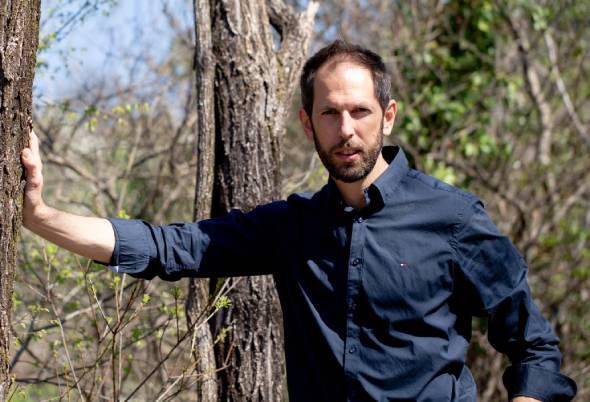
Biologist Vuk Iković says that the Thermal Power Plant causes 41 percent of total nitrogen oxide emissions, while the Aluminum Plant accounts for 41 percent of all polluting PM10 particles.
"The official data indicates that Pljevlja is the largest ecological black spot. The data clearly demonstrates that its water, soil and air are polluted. This is due to the Thermal Power Plant, the Coal Mine, “Vektra Jakić“, the slag and ash landfill ''Maljevac'' and the waste and tailings landfill ''Jagnjilo'', Iković told CIN-CG.
Iković also warns of the serious consequences of the huge number of cars, most often old and diesel fueled. Only in Podgorica, more than 70 thousand cars are registered.
“The green light for pedestrians lasts shorter than for vehicles. The highest concentration of toxic particles is at the intersections, one meter above ground surface. That is why children and people in wheelchairs suffer the most. Public transport is not organized yet. There is no quick communication from the suburbs to the city center. The system forces citizen to buy a car instead of encouraging them to use other modes of transport'', Iković says.
In Montenegro, 246,423 vehicles were registered in the past year: 6,193 motorcycles, 215,496 cars, 462 vans, 1,461 buses, 17,282 freight vehicles, 576 specialized and commercial vehicles, 1,662 towing vehicles, 3,090 trailers and 201 tractors.
According to the information provided by the Ministry of Internal Affairs, oil or diesel is consumed by 180,153 vehicles, super 98 petrol by 54,678, petrol 86 by 515, fuel blends by 14, petrol-gas combination by 7,854 vehicles, while only 144 cars are electrically powered.
There were 459 registered ‘old-timers’, manufactured until 1979. As many as 10,428 were from the SFRY (1980 to 1989). From the last decade of the last millennium, there is a total of 43,186 registered vehicles.
There are 134,653 vehicles manufactured between 2000 and 2010. Most of them are manufactured in 2004 and 2007 - 15,573 and 15,937 respectively.
From 2010 to the end of 2019, between 4,200 and 7,867 cars have been imported annually, amounting to a total of 57,607 new cars.
According to the Customs Administration, over the past year, the largest number of imported used cars were diesel fueled - 14.088, while only 1.020 were gasoline cars. Also imported were 2,225 new gasoline powered cars, 1,363 diesel cars and only 25 electric ones.
The Customs Administration explains that, according to the Law on Road Safety and the current rulebook on technical requirements, it is not allowed to import used vehicles that do not meet the EURO 4 standard. New vehicles should be equipped with minimum EURO 6 engine and meet the requirements for exhaust emission limits and noise levels.
In Germany, a partial ban for EURO 4 diesel vehicles was introduced in some cities last April. That is why protests have been organized and the cities of Hamburg, Berlin, Stuttgart and Darmstadt have reported more than 16,000 people violating the ban on the use of older "non-environmental" diesel cars.
The Institute of Public Health did not reply to our request for data on how air pollution affects health. Unofficially, there is no such recent research, so the one that the Institute conducted in late 2015 and early 2016, in collaboration with experts from the World Health Organization (WHO), is still relevant. Air pollution assessment study covering Pljevlja, Podgorica and Nikšić revealed that more than 250 premature deaths and 140 hospital admissions annually in these three cities, as well as a number of other health consequences, are directly linked to the increased exposure to PM particle concentrations.
WHO's calculations show that six percent of all deaths in Podgorica, 12 percent in Nikšić and 22 percent in Pljevlja are attributable to the effects of air pollution above the values prescribed by this institution. The Institute previously told CIN-CG that the annual rate of premature mortality associated with exposure to pollutant particles in Montenegro, is up to 60 times higher than the tragic consequences of traffic accidents and up to 20 times higher than mortality due to diseases of the digestive system.
World Health Organization data indicates that air pollution is a global public health challenge that kills seven million people a year!
Iković considers necessary to introduce a pollution tax. This implies payment for the release of pollutants into the air, primarily carbon, nitrogen and sulfur oxide, soot etc.
"It is possible for us to become an EU member with this kind of air quality, but then we will have to pay the costs of pollution. For example, for every tone of CO2 emission, we would pay 25 euros. If Montenegro manages to regulate key pollutants and conserve and recover its forests, it could earn millions, as its nature would reduce pollution levels beyond borders. This should be our offer to Europe. This is one of the reasons why Podgorica should be a tree-city, for which we have launched an initiative of 100,000 new trees'', Iković says.
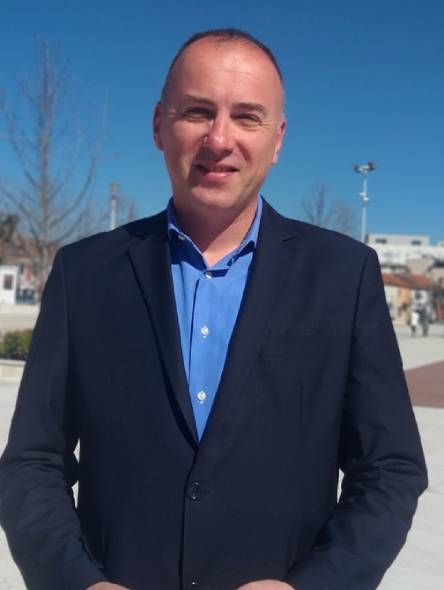
Aleksandar Perović, from the NGO Ozon, points out that air is an important segment of Chapter 27 in the EU negotiation process.
"So far, this international organization has not shown much interest for the problem of air pollution, which is very surprising to us, given that clean air is one of the fundamental human rights. If this attitude is not changed, it is hard to expect that domestic decision makers will take any action“, Perović told CIN-CG.
Asked by CIN-CG whether the implementation of Chapter 27 obligations was threatened by air pollution, the Agency replied that "the Approximation Strategy and the adoption of initial negotiation benchmarks have defined and proposed deadlines for activities to reduce air pollution".
According to the Environmental Protection Agency, "air pollution does not jeopardize the fulfillment of Chapter 27 commitments, but prompts finding the best possible solutions to this problem."
Hazardous tire and waste incineration
Old furniture, layers of debris, concrete, earth and gravel, electronic and plastic waste, food scraps and used tires are found in Podgorica's settlements: Stari Aerodrom, Vrela Ribnička or parts of Ćemovsko Polje. Residents of these settlements regularly report to the competent bodies the levels of arson and smoke spreading through the settlements and the city.
"Tire and plastic incineration releases one of the most toxic substances, dioxin. Part of it is inhaled and the rest goes into the atmosphere, returning with the first rains and depositing in soil and water. The question is what the purpose of the inspectorate is, if it does not punish the perpetrators”, Iković says.
According to the Law on Waste Management, penalties for unconscientious persons range up to 40 thousand euros for legal entities and up to 2 thousand euros for natural persons. This does not stop the perpetrators, mainly because the responsible bodies can only apprehend those whom they caught violating the law.
Iković recommends that if individuals burn tires due to the sale of steel wire, it should be prohibited to buy it without a proof of origin of such waste.
Neighbors also are among the most polluted
IQAir's list of the 100 most polluted cities from 15 April 2020 includes the Balkan capitals.
Sarajevo ranked 11th as the world's most polluted city, Belgrade 61st, Skopje 85th and Zagreb 94th.
According to the same organization's list of the 100 most polluted countries in the world, Bosnia and Herzegovina ranked 14th, North Macedonia 17th, Serbia 32nd, while Croatia ranked 51st. Slovenia and Montenegro are not included in this list.
According to IQAir, the most polluted city in the world is Shenyang in China.
Europe's most polluted country, according to GreenMatch, is Turkey, followed by Poland and Latvia. The countries with the cleanest air are Sweden, Finland and France.
Air pollution drops in metropolises
During coronavirus lockdown, air pollution in major global cities fell by up to 60 percent in comparison to the last year, CNN reports, referring to the IQAir's data.
Seven out of the ten cities studied, including New Delhi, Seoul, Wuhan and Mumbai, saw significant improvements in air quality from the same period last year.
The Indian capital New Delhi saw a 60% reduction in PM2.5 levels from 23 March to 13 April. The Chinese city of Wuhan, where the deadly virus was first identified, saw a 44% reduction in air pollution levels from 26 February to 18 March.
Los Angeles saw its longest stretch of clean air on record, over 18 days from 7 to 28 March. PM2.5 concentration levels were down by 31%.
In Europe, London, Madrid and Rome experienced during their lockdown periods reductions in their PM2.5 in comparison with 2019.
The reconstruction of the Thermal Power Plant is delayed
The ecological reconstruction of the existing block of TPP "Pljevlja" was supposed to be completed by the next year, but due to the pandemic, it will be delayed since the contract has not been signed yet.
At the beginning of November last year, EPCG declared the winner of the tender for this deal - a consortium of Chinese company Dongfang Electric International (DEC) of Podgorica-based firm Bemaks, BB Solar Company owned by Blažo Djukanović, the son of the President of Montenegro, and Permonte Company, whose bid price was 54,427,700 euros. The German consultant Steag Energy Services hired by EPCG previously estimated that the tender is worth 45 million euros, or 54,450,000 with VAT. Other tenderers’ bid prices were significantly higher: Shangai Electric Group Co.Ltd - 97,922,683 euros and Hamon-Rudis - 72,539,500 euros, but this did not prompt EPCG to raise suspicions, which should normally happen when the range between bids is so large.
Representatives of the Chinese corporation were supposed to arrive in February to agree and sign a contract, but this was delayed, allegedly, due to the Corona epidemics, as their delegation would have to stay in quarantine. EPCG later announced that they were expecting them in March, but Chinese Ambassador to Montenegro Liu Jin said in an interview for “Vijesti” on 15 April that "both sides are in the process of preparing to sign the treaty" and expressed hope that it would be done as soon as possible.
"The project includes, together with the revitalization of the Maljevac landfill worth around 20 million euros, construction of a desulphurization system, a denitrification system, improvement of the operation of the electro filter plant and construction of a wastewater treatment system. Along with the ecological reconstruction, within 12 months from the signing of the contract, a source of thermal energy for heating Pljevlja will be provided”, EPCG stated during the announcement of the tender winners, adding that after the ecological reconstruction, all emissions and products of combustion of coal and chemical processes in accordance with national legislation and European directives, will be kept below the permissible limits.
New analysis of the Health and Environment Alliance (HEAL), Sandbag, Climate Action Network Europe (CAN Europe), the CEE Bankwatch and the Europe Beyond Coal from 2019, has shown that 16 outdated coal-fired power plants in the Western Balkans represent a health and economic liability for the whole Europe.
This report shows that every year, air pollution from Western Balkans coal power plants is responsible for 3,900 premature deaths, 8,500 cases of bronchitis in children and other chronic illnesses. The health issues these plants cause add up to lost productivity and health costs of up to 11,535 million euros.
Predrag NIKOLIĆ
The gloves are the last piece of equipment to take off in the house, while in hospitals the order is reversed. The last one is a mask, but two pairs of gloves are worn and the hands are disinfected between each piece of equipment removed. Those are the recommendations from the Institute of Public Health. The Centre of Investigative Journalism of Montenegro (CIN-CG) has been advised that US adheres to recommendations valid to date, while the EU is preparing a new protocol.
The Institute of Public Health of Montenegro (IPH) has warned that when masks and gloves upon return home are put away, they should never be left at arm's length.
"It is important not to leave the used equipment on the surfaces, especially not on the kitchen cabinets and tables, but to immediately dispose of any protective equipment after its use. At home, gloves are last removed and hands are washed immediately afterwards. In healthcare institutions, the order is different. The last one is always a mask, two pairs of gloves are worn and the hands are disinfected between removals of each piece of equipment”- the Institute recommended, answering CIN-CG's questions.
Waste generated during the care of suspected and confirmed cases of COVID-19, according to IPH should be disposed of as infectious, with no additional control measures required.
The Inspection Affairs Authority told CIN-CG that everyone involved in the process has been warned to pay extra attention to the proper disposal of infectious medical waste.
Head of the Operational Section of the National Coordinating Body for Communicable Diseases Mrs Vesna Miranović emphasized that quarantine waste disposal is “an extremely demanding project involving hundreds of people on a daily basis”.
“The waste is placed in a single bag in the quarantine room. It is then disposed of in another closed bag, and all the common waste is put at one place. The companies then come, collect it appropriately and take it to a place where it is permanently destroyed. We have taken care of each segment”, Miranovic said at a news conference.
At the same conference, IPH Assistant Director Dr Senad Begić added that there is currently no scientific evidence that municipal waste from a person positive for the virus poses a threat to the environment, but that they have nevertheless increased precautionary measures.
The IPH site includes the following recommendations for the waste management of suspected COVID-19 cases: care must be taken not to contaminate hands when removing gloves, which means that the outside of gloves, which should always be “regarded as contaminated”, must not be touched. Good hand hygiene is also a must.
According to the company Ekomedika, in the first quarter of this year, "due to seasonal winter infections", around thirty tons of infectious waste has been taken from medical institutions.
Infectious waste accounts for approximately 80 percent of all medical waste. It also contains microorganisms that can cause disease in humans. It is made up, among other things, of materials and things that have been in contact with an infectious patient.
"We expect a slight increase in quantities in the coming period due to the current situation", Stojanka Šolaja, a representative of this company specializing in medical waste treatment, told CIN-CG.
Although the materials that have been in contact with infected patients or health care workers who have taken care of these patients are treated "in the same way as all infectious waste" in terms of selection, safe packaging and transportation, she points out that they are, nevertheless, more cautious.
“We have taken extra precautionary and disinfection measures while over-taking infectious waste packages at delivery, and added new packaging layers. It is the recommendation by the Institute of Public Health to disinfect and increase wearing of protective equipment, as a form of prevention. We follow all the IPH recommendations and those of other reference institutions” Šolaja said.
The Clinical Center of Montenegro (CCM), in which the first victims of the COVID-19 passed away, did not reply to CIN-CG whether they disposed of the used medical materials and equipment in a standard manner, or in accordance with some new special procedures.
However, they explained that the management of medical waste begins when health care is provided by means of proper classification in a “cost-effective manner that minimizes health and environmental risk” and that it is carried our by trained staff using adequate packaging.
“The waste is classified in packaging units adapted to its characteristics, quantity, method of temporary disposal, and transport to the final treatment. Bag holders, or waste bins, are installed in all places where medical and municipal waste are generated at the same time. All used sharp objects, including needles, are collected in specially designed hard plastic disposable packaging. Packages are filled up to two-thirds of the total volume, and are marked with labels on which the date and place of waste generation (wards, dispensary, hall…) and the signature of the responsible person who handles it are required”, they explained to CIN-CG.
Waste bags are transported by special trolleys to a treatment site - a medical waste treatment plant within the CCM, or to a municipal waste disposal site.
"This transport is performed by employees who maintain cleanliness. The trolleys are cleaned daily after waste removal” the Clinical Center answered.
The Inspection Affairs Authority (IAA) confirmed to CIN-CG that their ecological inspection has controlled since January "certain entities that generate medical waste while performing their activities."
"Since the beginning of 2020, several decisions have been adopted in order to eliminate irregularities, which primarily concerned the submission of data on generated quantities of medical waste during 2019 to the Agency for Nature and Environmental Protection," the IAA replied.
IAA's public relations department claims that, due to the spread of the COVID-19, they had warned everyone "from manufacturers, collectors, processors and others that they must pay extra attention to the proper separation, packaging and disposal of this type of waste".
For possible non-compliance with these obligations, the Law on Waste Management stipulates misdemeanor fines for legal entities of up to 40,000 euros, and for responsible persons up to 4,000 euros,” IAA explained.
Podgorica's Public utility “Cleanliness” has confirmed to CIN-CG that they are also taking over the waste from the infected people.
“Employees of the Public utility, with adequate protective equipment, and in accordance with a pre-established procedure, take over the waste directly in front of the housing units of persons confirmed to be ill with COVID-19. Before that, the disinfection of waste, which is properly packed in multiple bags, is carried out by the Institute of Public Health. The waste collected in this way is taken away by a specially designed vehicle to a company that is authorized for the proper treatment of medical waste,” the Communal Service explained.
Public utility from Ulcinj claims that they adhere to the instructions received from the Institute of Public Health.
“Every day, workers get new masks and gloves for field work. The places around containers are covered or disinfected with gas lime and the trucks are washed and disinfected with chlorine”, Skender Kalezici, head of this company, said.
The management of Public utility from Niksic also confirmed that all workers are obliged to use protective masks over their faces and gloves for preventive reasons. Workers carry out their work by “hooking the municipal waste container to the truck and emptying it with the help of hydraulics so they have no contact with the waste in the containers."
Public utility from Tivat explained that they had distributed "masks that were sewn by local tailors" to their workers and that each of them "uses thick rubber gloves as protective equipment, which are disinfected with asepsol at the end of each shift". Containers and surface area around them, as well as garbage trucks and streets, are disinfected with chlorine.
Special procedures have also been introduced in large retail chains. At the end of the shift, workers at “Voli” supermarkets dispose of protective masks and gloves in a specially designed hermetically sealed bag. The rest of the waste is taken over by the Public utility company, Olivera Suskavcevic, a public relations representative of the company, told CIN-CG.
She emphasized that in order to protect consumers in all markets, warehouses and the complete logistics system, the company implements enhanced hygiene and sanitary measures in accordance with the recommendations of the competent institutions.
“Transparent plexiglas partitions have been installed in the markets, which will reduce the daily contact between employees and consumers at the cash registers. Our workers are equipped with gloves and masks, and a dispensary with fluid for hand disinfection is prominently displayed in all markets” Suskavcevic said.
The “Franca” market company also told CIN-CG that they are trying to protect employees and customers in the best possible way.
"From day one, since the use of masks and gloves is required, all employees have been explained how to use them properly. Hygiene in all facilities is at the highest possible level in order to prevent contamination of employees in the workplace", Franca marketing department said.
Protective equipment is also provided to employees in markets, bakeries and pharmacies.
The measures taken in Montenegro are no different from those in the region and the rest of the world.
The US Center for Disease Control and Prevention (CDC) said that the medical waste originating from healthcare facilities that treat patients with COVID-19 is no different than other infectious waste. The CDC also provided instructions to its medical workers, similar to those of the Montenegrin Institute of Public Health, explaining step by step how not to touch the outside of the glove or the front of the mask.
Although no specific measures have yet been prescribed in the management of infectious waste in the European Union countries, the Croatian Ministry of Environmental Protection and Energy stated to CIN-CG that they have been working on it.
"With regard to different rules regarding the disposal of medical waste associated with suspected or confirmed cases of COVID-19, or medical workers treating those patients, a protocol is currently being developed at EU level for the collection and disposal of household waste of suspected or confirmed cases. The Republic of Croatia participates in its elaboration and will, upon its completion, apply it. "There are currently no specific national protocols for household waste", Đurđica Požgaj, head of Department for Waste, told CIN-CG.
As for the health care facilities, she added that Croatia complies with the policies, according to which infectious waste must be collected separately and should not be disposed of; rather it should be sterilized and treated in appropriate "incineration or energy generation" devices.
Dragan Mladenovic, from the Serbian Environmental Protection Agency, said that in Serbia 3.7 thousand tons of medical waste was generated in 2018, out of which 3.4 thousand tons was hazardous infectious waste.
"All waste generated by patients who are infected with the COVID-19 represents a dangerous infectious medical waste and as such must be sterilized before being dumped", Mladenovic emphasized.
Ekomedika company: Higher costs
“Costs are certainly higher due to increased security measures and increased consumption of protective equipment, disinfectants, multiple visits, changes of working hours and on-call duty, and it is realistic to expect higher consumption of certain consumables. In the current situation, the necessary measures must be taken to deal with the new situation as successfully as possible", Rade Djikanovic, head of the Processing Center at Ekomedica, told CIN-CG.
He explained that the producer of medical waste is obliged to distribute it properly at the place of origin, place it in appropriate packaging, pack it, label it and then place it in a temporary storage area. Pick-up and transport are accompanied by an appropriate form containing information on the producer, type and quantity and other technical details.
Ekomedika, which has been performing this job since 2011, has five trucks and two smaller vehicles. All of them are equipped to guarantee safe loading and unloading, as well as safe transportation. Emergency circuit breakers and disinfection are also provided. Djikanovic notes that additional preventive and protective measures are being taken when transporting infectious waste. This also means disinfecting the packaging of prepared waste at the point of pick-up and the additional packaging.
Djikanovic also explains that the treatment of infectious and sharp medical waste is done by sterilization, a process that destroys all microorganisms and battery spores. In that process, there is no combustion, no operation under increased pressure, no use of chemical substances, microwave radiation and the like.
"Waste weight is reduced by about 30 percent, waste volume by about 50 percent. Technology is “ecofriendly”. The process is automated and one treatment cycle of about 100 kilograms of waste takes 30 minutes”, said Djikanovic.
He points out that the generated waste has the characteristics of mixed municipal waste, it is of an unrecognizable form, hazardous properties have been removed and it is disposed of as such.
More work when vaccines arrive
The amount of medical waste has also increased in Bosnia and Herzegovina - Alen Nogic from Aida Commerce points out.
“There is a certain decrease in secondary medicine (dentists, aesthetic, surgery, fertilization, etc.), which is quite normal because it works at reduced capacity, or not at all. Primary medicine itself is recording an increase in the amount of waste due to the new situation, although the awareness of those who make the selection at the place of its generation is also being raised”, he told CIN-CG.
As he points out, in the process of medical waste treatment nothing is left to chance.
"The disposal process is performed at a temperature of maximum 166 degrees Celsius, so that there is no case of virus resistance", he said.
The growth of infectious medical waste is also expected at Zagreb-based Recol, a company that has been treating it for 25 years and has hundreds of clients across Croatia.
“Like everywhere else, Croatia lacks medical equipment, so our doctors must be rational, which reduces the amount of waste itself. The fact is that a large number of people will have to be vaccinated when we get vaccines. Then, a slight increase in infectious waste can be expected”, Bojan Breberina, a representative of the company, told CIN-CG.
Miloš RUDOVIĆ
The medieval fortified town of Kotor in Montenegro risks losing UNESCO world heritage site ranking as the rivers of tourists gush out of cruise ships and flow through the gates of the old town. Environmentalists and experts sound alarm bells for the Bay of Kotor’s delicate ecosystem.
Dusan Varda recalls strolling through the old town of Kotor one late autumn evening last year. “There was almost no one out except impeccably dressed waiters in empty luxurious restaurants – that was common perception of Kotor in off-season,” he said, lamenting the new outfit of the old walled city and its Venetian palaces nestled in the Bay of Kotor, a unique fjord in this part of Europe. “I feel nostalgia for the old days Kotor, of 5, 10, 20 years ago,” Varda said.
Kotor appears abandoned in off-season. However everything braces up for the spring and the summer when the cruise ships arrive, disgorging thousands of tourists. Each tourist spends on average €40 per day.
Mr Varda is director of the Mediterranean Centre for Environmental Monitoring (MedCEM) based in Montenegro’s port city of Bar. He is concerned with the environmental situation in the bay. It’s not just tourists who disembark from the cruise ships.
Even though Kotor’s treasury is filled up with new revenues the environmentalists and field experts say that the authorities are blind to the side effects – noise, air and sea pollution.
Kotor ranks third in the Mediterranean when it comes to cruise ship visits. Only Venice and Dubrovnik are ahead of it. However, such influx of tourists drove out the local residents.
In the interviews for Balkan Investigative Reporting Network (BIRN) and the Centre for Investigative Journalism of Montenegro (CIN-CG) the concerned called upon authorities to urgently assess the environmental impact of cruise ships and regulate their traffic in the Bay of Kotor by restricting access to certain areas.
Western countries “realised their mistakes in tourism industry long time ago” and banned cruise ships from entering the protected areas, said Varda.
As something to start with, he said, Kotor should follow Dubrovnik’s example. The authorities introduced quotas on cruise ships docking there.
“The problem in Montenegro is so called ad hoc tourism” he told BIRN & CIN-CG. “We cannot afford to sit and await the total collapse of natural and human resources in the area before taking action and imposing restrictions”.

Monitoring is “insufficient”
Over the past five years, roughly 2,000 visits of cruise ships brought more than two million tourists to Kotor’s medieval walls and ramparts.
Cruise-ship tourism accounts to some 2% of global tourism industry. Nonetheless, it has become far more important in Montenegro. In 2007, cruise ships accounted to 4% of tourism which quickly rose to 29% in 2016.
Nevertheless, the impact of those floating hotels, mega yachts and sailing boats on the Bay of Kotor (colloquially- Bocca) has never been properly studied- say experts of Kotor-based Institute of Marine Biology (IMB).
Vesna Macic, a senior scientific associate at the Institute, told BIRN & CIN-CG that the monitoring carried out by Montenegro’s Environmental Protection Agency (EPA) was “insufficient”. EPA replied BIRN & CIN-CG inquiry saying that “potential points of tension have been identified but no further analyses has been done”. The agency’s 2016 environmental report cited “possible sea pollution by waste water, solid waste, air pollution (primarily by acidifying agents) and noise”. Cruise ships were listed among greatest threats due to enormous loads of fuel which could wreak havoc in case of accident. While the traffic is on the rise so is the danger of accidents.
The Port of Kotor reports that at times up to three cruise ships are docked in the port staying up to 12 hours each. The Ministry of Sustainable Development and Tourism (MORT) and the Regional Action Centre for Specially Protected Areas (RAC/SPA) commissioned a study on marine biodiversity of the area in 2014. The study considers the cruise ships in the Bay of Kotor a threat to its biodiversity. “Huge cruise ships in the bay affect fishing as they cut and destroy the fishing nets on their trajectories.The marine life is also at risk because of cleaning agents and waste water discharged from the ships” the study says. The study recommends further regulation of cruise ships in the bay and the zones of restriction where no ship anchoring is allowed.
Furthermore, they pose a threat to seabeds of flowering sea grass (Posidonia oceanica) and protected sea grass species such as Cymodocea nodosa which absorbs carbon dioxide.
Dobrota, a residential area on the city’s outskirts, is recognised in the study as the only place in the bay with colonies of flowering sea grass and is home to Pinna nobilis, commonly known as the noble pen shell which is highly sensitive to pollution.
Noise and air pollution
It is not only the sea that is at risk. Ross Klein, a Canada-based professor and cruise industry expert, says that one docking of a cruise ship releases more pollutants into the air than 2,000 cars and lorries in the whole year.
Marine mammals are especially vulnerable. ASCOBANS, an organisation involved in protection of small whales in the Baltics, the NE Atlantic, the Irish Sea and the North Sea, concluded in 2009 that low-frequency noise in the sea doubles every ten years, starting from 1950. Hearing is primary sense for orientation and communication of mammals.
A study in Croatia found out that some species of dolphin, disturbed by the noise of ships, spend less and less time in search for food and partners thus becoming more recluse. A similar study “should be commissioned for the Bay of Kotor asap,” said Macic, “because the underwater noise has intensified and become more frequent”.
Organic, non-organic and solid waste discharged from cruise ships is another problem.
The US Environmental Agency estimates that each passenger produces from 2.6 to 3.5 kg of waste every day. The waste stored on cruise ships contains a hazardous mix of cleaning agents, paint and medical waste. Its discharge is prohibited in the Mediterranean within 15 nautical miles from the shore. Nevertheless experts warn about difficult enforcement of the regulation. The problem becomes worse in the summer months when the sea temperatures are high, winds are low and water circulation slows down. Furthermore the coastal populations grow exponentially.
Invasive species
Ballast water is seen as another threat to marine ecosystems. In 2013, the Geneva-based International Maritime Organisation (IMO) recognised the impact of ballast water used by big ships to maintain stability, as an environmental threat on the global level. Biologists warn that a cubic meter of ballast water sucked in one port and discharged in another – may contain up to 10,000 sea organisms.
A study made in 2006 in neighbouring Croatia found out that around 2.5 million tons of ballast water were discharged into the sea, introducing 113 new species of sea organisms into the local ecosystem. Certain invasive species multiply without control, suppressing and destroying the autochthonous species. In Croatia, the intruders include the red algae, which is particularly harmful to the Adriatic's biodiversity.
No assessment of the impact of ballast water has ever been done in Montenegro.The Environmental Protection Agency said it expected new analyses about the ballast water in Montenegro’s part of the Adriatic.
UNESCO has warned that “a large number” of cruise and freight ships in the Kotor area is putting at risk the city’s credentials as a world heritage site. The site covers not just the medieval town but the nature and landscapes around too.
“It’s not possible to maintain a balance between mass tourism and environmental protection” said Varda.“One must subjugate the other. Unfortunately, there is a growing fascination with mass tourism and growing [tourism] figures in Montenegro, while nobody mentions the long-term quality and sustainability of the said tourism.”
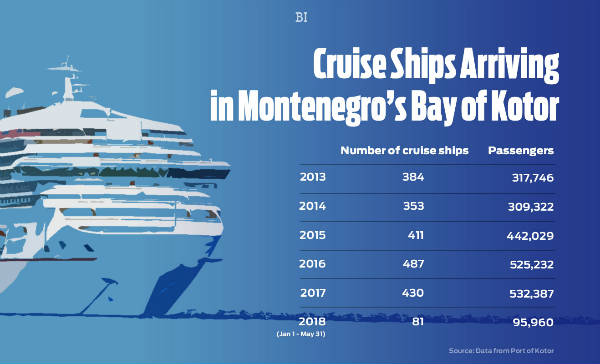
(Un)protected marine areas
Montenegro is one of a few Mediterranean countries without a single protected marine area. Chapter 27 of the European Union accession talks mandates the existence of at least one.
“For decades, protected marine areas have been recognised across the world as the most efficient way to preserve the marine ecosystems“ Varda said. EPA says it plans to establish one protected zone through a project launched last year worth almost $1.8 million. “Preparations are under way for almost a decade” said Varda.
“Given the current planning, in less than three years we hope to have the first marine protected area established in the vicinity of Katic, an island off the shore of Petrovac, from Platamuni towards the Bay of Traste, in the areas of Ratac and Zukotrlica, Stari Ulcinj and Valdanos”.
Floating palace
The largest cruise ships that have docked in the Bay of Kotor are the Majestic Princess and the Royal Princess, each 330 metres long and accommodating 3,500 passengers and 1,500 crew members.
The Port of Kotor records visits throughout the year, not only in the summer months. The cruise ships Regina della Pace, Artemis and Athens traditionally open cruising season in the Bay of Kotor in early January, and close it on or around New Year’s Eve.
Few complaints
Despite heavy traffic in the bay, only four complaints have been lodged to the Maritime Safety Authority in regard to cruise ships in the Bay of Kotor. The objections are related to pollution.
BIRN & CIN-CG tried to find out from the authorities if any cruise ship has ever faced sanctions during its stay in the bay and the grounds thereof. The Port of Kotor, the Safety and Security Inspection of Kotor and the Ministry of Transport and Maritime Affairs simply ignored our inquiry.
Matija OTAŠEVIĆ

As funds granted by the World Bank remain unused the government is unmoved by some 7.5 million tonnes of hazardous waste that loom over the country. On the other hand the authorities' response to environmental incidents is merely symbolic whereas ordinary people have to bear the brunt of enormous environmental damage. The Brussels administration is not delighted with the Montenegrin government’s request to postpone tackling ecological problems caused by the aluminum smelter (KAP) for year 2030.

Photo Luka Zekovic
”There’s no future here in the next thousand or so years. The pollution is unbelievable. We can’t drink water here, we can’t grow plants, the underground water courses have been poisoned for 45 years” says Drago Terzic, a resident of Srpska, a village in close proximity to the aluminum plant and its red mud pools. The place is also plagued by piles of garbage and abandoned houses only 9km away from the centre of Montenegro's capital Podgorica. The Aluminum facility was once the prime giant of socialist industry. Its heyday passed long time ago but the consequences remain and are highly visible.
The Bauxite tailings are easily accessible. There is neither security around the place nor warning signs. Two red mud ponds which store around 7.5 million tonnes of hazardous waste are situated next to the smelter. One pond has non-permeable bottom while the other has no leaking barrier thus heavy metals and carcinogens penetrate and poison the underground and the surface waters alike.
Drago Terzic and his first neighbour Boro Lazovic complain that whenever a stronger wind descends it lifts the dust from the ponds and carries it around. They shut themselves in their homes and wait for the wind to cease. They point out that a part of the Moraca River is totally contaminated and without fish.
Dijana Milev Cavor of Green Home NGO warns of the red mud dangers to the environment. Green Home conducted a research on Lake Skadar and its pollution in 2012. The main source of contamination is KAP. The research further states that KAP has generated some 325 thousand tonnes of solid waste which is labeled as hazardous due to high concentration of fluorides, nickel, chromium, copper, cadmium, zinc, arsenic, mercury, cyanide... which have penetrated the soil and underground water courses.
The bauxite residue in its dry form can become airborne by wind and spread over large areas. It can pose a threat to arable land and to human health.
Moreover the Centre for Eco-toxicological Research (CETI) has warned for years about soil and underground water pollution around KAP. The Montenegrin Investigative Reporting Centre's (CIN-CG) findings prove once more that the authorities’ response has been inadequate.
The World Bank granted a loan of €50 million five years ago to solve the problem of KAP’s bauxite tailings and solid waste. However, the project is stuck from the very beginning.
Montenegro’s request to postpone implementation of the EU ecological standards for 11 years is something unheard of so far- Gallop

Photo: Zoran Djuric
The deadline for issuing Integrated Pollution Prevention and Control (IPPC) permit to KAP smelter expired on 1 Jan 2018. IPCC permits are one of the conditions for Montenegro-EU accession talks as thereby industrial facilities prove that they adhere to the best techniques of pollution prevention and control.
The Montenegrin authorities are totally unprepared for the said criteria hence they keep trying to obtain concessions from the Brussels administration and push the deadline all the way up to 2030. In the meantime the IPCC implementation has been formally halted under excuse of unresolved property disputes between KAP’s bankruptcy administration and the new Niksic-based owner Uniprom LLC.
The Brussels administration replied our inquiry via Delegation of the EU to Montenegro saying that Montenegro could not change rules and policies of the EU. The European Commission said that Montenegro’s request to postpone the implementation of the IPCC Directive would require “a detailed elaboration before the EU reaches decision (by consensus of all member states)”. Until then Montenegro is expected to comply with and implement the current regulation including the aforesaid directive. “The European Union does acknowledge that Montenegro plans to adopt certain implementation plans in 2019 which are related to the said directive. That is a prerequisite to continue business in the interim periods” says Brussels.
The Ministry of Sustainable Development and Tourism (MORT) told CIN-CG that it requested an interim period in regard to implementation of the IPPC Directive on industrial emissions. MORT cites the examples of other candidate states which lodged similar requests during their accession talks.
An EU expert and an environmentalist of England-based Bankwatch Pippa Gallop says in the interview with CIN-CG that it is entirely unacceptable to postpone the directive implementation till 2030. The standards are relatively high hence no guarantee that Montenegro’s request will be granted.
“I know that Croatia requested to postpone the directive implementation for a couple of years but the Montenegrin request is something unheard of and I see no grounds for such a motion” says Gallop.
Speaking of the World Bank loan she says it’s surprising how little has been done to resolve the issue of the red mud ponds. The plans are frequently changed and the WB evades talking about it.
"On the other hand, the conditions to unlock the loan have not been met while the bank is in no hurry. However, for human and environmental reasons the present situation is unacceptable and we’ll keep pressing them about it” said Gallop
Pollution is "being investigated"

photo: Sasa Markovic
Montenegrin prosecutors in the meantime say they investigate last September and October incidents when the bauxite dust took off from the red mud ponds and contaminated the surrounding area. That was not the first time though. The Podgorica Prosecution Office confirmed to CIN-CG that Environmental Inspectorate and nearby residents lodged complaints “which are being investigated”.
Berane-based company Wag–Kolektor has been the owner of the red mud ponds since Feb 2016. Inspectors asked the company to install a system for sprinkling along the edge of the ponds since the area was not completely covered by irrigation system. The inspectors warned that the present provisions were insufficient to prevent emissions of red dust.
Sinisa Jevric, one of the founders of Wag–Kolektor, in the interview with CIN-CG states that all requests of the inspectorate will be fulfilled by the middle of the year.
On the other hand, the fines for non-compliance are rather jokes. Last October the aforesaid company was fined €300 while the owner nearly got away- he has to pay no more than €30.
The inspectors also investigate whether caustic soda leaked from the aluminum smelter into the Moraca River. However, it has been established that a certain amount of lye ended up in the smelter's sewage system. No good news arrive from there.
Any stronger earthquake could cause red mud to spill
Ana Misurovic, a former CETI executive and a toxicological expert, wrote in 2004 that people living around the aluminum smelter were risking their health by exposure to intoxicants in air, water and food...
The collapse of a dam on much larger bauxite tailings in northern Hungary 9 years ago caused the death of 9 persons while hundreds were injured and a large surrounding area was contaminated.
Misurovic in her interview with CIN-CG reckons that in case of a strong earthquake the red mud could spill out of the basins. She believes that no one has examined the potential threat so far.
Soil and underground waters around KAP were examined by CETI before. CIN-CG obtained CETI’s reports for 2016 and 2017 which stated that no improvement had been made. Physical and chemical analysis made in 2016 confirmed the presence of nitrates, zinc, cyanide, orthophosphate and ammonium above the red line levels in the underground water courses within the smelter's boundary.
CETI also analised the soil around KAP in those years and each report warn about increasing levels of chromium, nickel, fluorine, polycyclic aromatic hydrocarbons...
Environmental Protection Agency came up with similar findings in 2017 and blamed the aluminum smelter for the pollution.
Fishy transactions with red mud basins

Photo Savo Prelevic
OZON NGO director Aleksandar Perovic finds the authorities’ silence on pollution unacceptable and “possibly fatal to the population around KAP smelter”. Perovic criticises the whole thing about the loan granted by the World Bank as nothing has changed in reality. He lists the red mud basins as another example of botched privatisation.
“It made no sense to separate the bauxite tailings, a notorious black spot, from KAP smelter and hand it over to someone else”. The first company which took over the red mud basins had plans to extract the material which could be used in road constructions. “Unfortunately, the investor could not obtain the permits and left. Then the place ended up, under murky circumstances, in the hands of a company which was without any experience in the aforesaid business” says Perovic.
He further claims that it’s a public secret that the only aim of the privatisation is to resell the bauxite tailings to the government so that it becomes a part of KAP again. Thus everyone with fingers in the pie will his handy commission. Perovic is adamant that “the company (Wag-Kolektor) is not capable, both financially and in terms of expertise, to operate the red mud basins”.
However, Wag-Kolektor told CIN-CG that they had plans to restart the red mud procession together with its German partner by the middle of this year. Jevric denied that he had intention to sell the ponds to anyone. Nonetheless he did confirm that he was summoned by a local prosecutor to give a statement about the red dust emission at the end of last year.
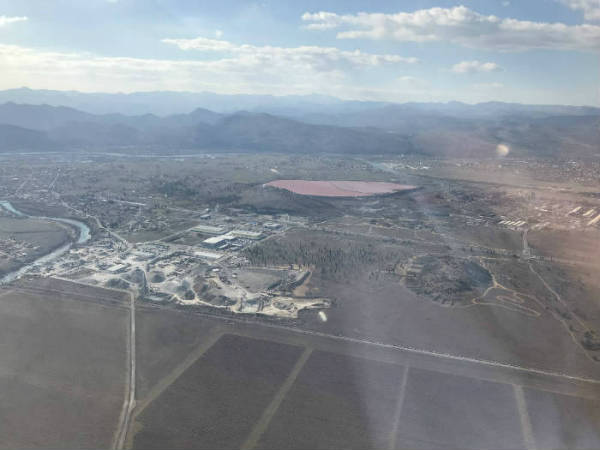
MORT- standards must be adhered to regardless of permits
In the 2017 review the government states that KAP’s technology is outdated and incapable of implementing the EU standards in less then 10 years.
“ The issue of KAP is a very complex one. It’s not only a question of environmental and security risks but it comes together with the current bankruptcy protocol, ownership over bauxite tailings so to meet all the criteria set forth by the World Bank...” is stated by MORT.
Polluters to be held accountable
Uniprom hasn’t replied CIN-CG questions on the company’s vision in regard to environmental issues caused by the smelter’s operations and whether and when the company will apply for intergrated permit.
The government recently drafted a bill on industrial emissions which will introduce a new rule- “the polluters shall pay”. The fines will range from €5,000 to €40,000 for legal entities if they operate without permits or if they fail to submit anual reports on the quality of soil, air, water, sea etc.
Maja BORIČIĆ

 English
 Facebook
 Youtube
 X (Twitter)
 Instagram
2023, Centar za istraživačko novinarstvo CG - Sva prava zadržana