
The High Court acquitted the defendants while the Appellate Court and the Supreme Court went even farther and ruled that no crime took place at all. Many years on, the government, in order to redeem itself, poured millions in the construction of new houses in Bukovica, to which no one returns except briefly, to vote in elections. Veselin Veljovic, the current director of National Police, was in the centre of the story as he was the chief of Pljevlja Police Department in the days of trouble. His role in the crimes has not been fully brought to light while his testimonies are controversial.
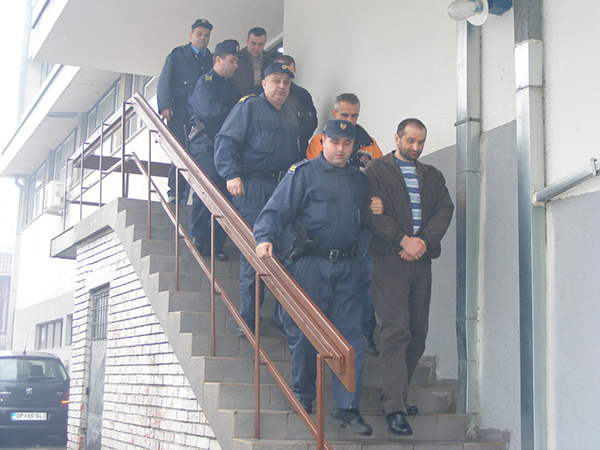
Six persons were killed, two committed suicide as a consequence of abuse and torture while hundreds of Muslims were expelled and their houses looted. All that took place in the early 1990s. The authorities in Montenegro and its top officials are still not ready to face the past in the way that would show responsibility by bringing the guilty to justice.
A small number of those who were indicted by the prosecution were later acquitted in court. The judiciary went even that far as to rule that no crime took place. Contradicting testimonies failed to clarify the role of the current National Police Director Veselin Veljovic, who back then was heading the police department in Pljevlja. Veljovic claims that his actions were lawful.
As in other similar cases, the authorities tried to cover up the atrocities by throwing money around. Some €4.5 million have been invested to build 110 houses and about 60 additional facilities in the area over the recent years. Allegedly, the goal is to revitalise the area. However, only six families live there around the year. The government didn’t answer the Centre for Investigative Reporting (CIN-CG) on whether it was pleased with the progress and results of the investment.
The representative of the Bukovica Association Jakup Durgut says that “the Government has accomplished nothing. The people have not returned. A number of them has yet to pick the keys to the new houses. Out of eight families who did return, two have left again. This people need support. The state has to guarantee the purchase of agricultural products and to maintain the roads. This ain’t place for living” Durgut told CIN-CG.
At the outset, there was an optimism, he says, but as time went on, the people realised that it was a waste of money. “I doubt that they have invested that much as they report. Many houses are still even without electricity. There is no transparency in this. It’s a lousy work.
In his book, Bukovica 1992-1995: Ethnic Cleansing, Crimes and Violence, the place is described as the only part in Montenegro which suffered ethnic cleansing in the 1990s. It states that in early 1992 twenty four villages were emptied of their population . From 1992 to 1995, six civilians were killed: Hajro Muslic (75), Ejub Muslic (28), Latif Bungur (87), Hilmo Drkenda (70), Dzafer Djogo (57) and Bijela Dzaka (70). Eleven men were abducted and taken to prison in Cajnice accross the border. Himzo Stovrag (67) and Hamed Bavcic (75) committed suicide after torture that they were subjected to. Almost the entire male population of the area was beaten up repeatedly. At least eight houses and the village mosque were burnt down and property looted. Other houses were destroyed as well. Some 125 families with 330 members were displaced.
Only the case of Dzafer Djogo, who worked on the maintenance of local roads ended up in court. However, the prosecutor labelled it as manslaughter, not a war crime. Majos Vreco was convicted while his accomplice Dragomir Krvavac was acquitted on insanity clause. The District Court in Bijelo Polje sentenced Vreco to 4.5 years in prison. Subsequently the High Court in Bijelo Polje increased the sentence to 14 years. Vreco served his sentence in Spuz Correctional Centre and in Foca Correctional Centre in Bosnia. While in prison, his sentence was reduced twice – the then Republic of Srpska President Nikola Poplasen reduced his sentence by ten months upon amnesty law and Montenegro's President Milo Djukanovic reduced his sentence by two years.
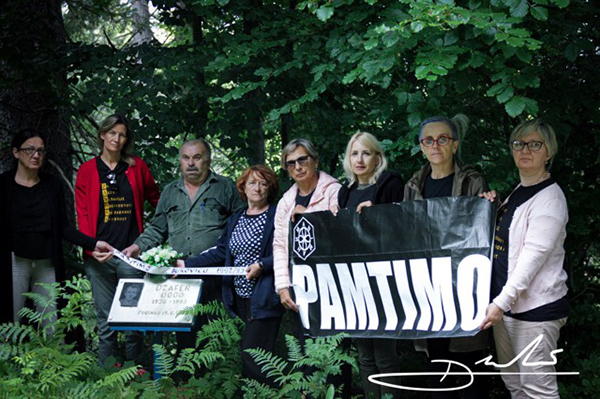
The mysterious role of police chief
“I don’t know how much he was personally involved, but he knew (what was going on) and he could have stopped it” says Durgut on the role of the then local police chief Veselin Veljovic. Allegations about Veljovic’s role in those events are contradictory, even though they come from the Bosniaks. Some witnesses in court said that Veljovic was leading the house searches. Durgut further quotes in his book a person who claimed that Veljovic had threatened to cut off his ears. On the other hand, in January 2006 after Veljovic was first time appointed director of National Police many raised concerns over his role in the Bukovica Case. Smail Hakija Ajanovic, the then chairman of the Pljevlja Islamic Community came to his rescue and said that Veljovic preserved peace and dignity of the people in Pljevlja and that no one else could have contributed more.
“Only lawful actions were taken to ensure stability, order and peace. The community was mixed thus particular efforts were made to preserve the multi-ethnic and religious harmony in the area“ is said in the reply of National Police to CIN-CG about Veljovic’s involvement back then. We sent questions to Director Veljovic on how he viewed his role in those events, whether he felt responsible for torture and expulsions, whether he personally took part in the same, whether he, as a policeman, found the perpetrators and whether the victims got justice. Instead of answering our specific questions we were referred to the letter of Ajanovic who, according to National Police, “denied the later attempts to tarnish the name and integrity of Police Director Veselin Veljovic as they were unfounded and malicious when it comes to the events in Bukovica. Ajanovic further explained the great contribution of the Veljovic-led police in preserving peace in those troublesome days”. The police reply ends with “Police Director Veselin Veljovic shared all his knowledge and findings in the court proceeding whereupon the defendants were acquitted of criminal responsibility”.
Veljovic was heading the police in Pljevlja from mid-October 1992 until the end of 1995. He testified in court in December 2010. He said that the proximity of Bosnia and Republic of Srpska and the raging hostilities in the area posed a security threat to both Muslims-Bosniaks and Orthodox. He also said that there were many paramilitary formations around, so the locals were rightfully concerned. The police had duty to keep things quite. He didn’t rule out a possibility of individual excesses on the part of police officers, but affirmed that the police was “a factor of stability, peace and order and it took action in search for illegal weapons hidden in houses or in relation to other criminal offences”.
“No police officer involved in those raids abused and mistreated the persons whose houses and facilities were searched, because none of the residents in Bukovica complained to me about the work and behaviour of the accused police officers ... It is clear to the police that SH hanged himself , but not out of fear or because he was petrified or beaten by the army and the police. He hanged himself for the reasons known to him only” said Veljovic in court.
Ramiz Sabanovic from the village of Klakorine gave his testimony to the Humanitarian Law Center (HLC) which was published in HLC’s book on Bukovica. It contradicts Veljovic’s version of events. He said that in February 1993, a group of soldiers and police officers toured Muslim homes and harassed the population. He says that soldiers and police broke into his house, dragged his wife Hatidja by the hair and knocked her down to the floor while he was beaten in another room and asked to show his money. He held up a wad of dinars in the countervalue of some 3,000 Deutschmarks which he earned from the sale of livestock. The officer examined the money but did not take it.
“Then a soldier with a dog approached me, I think his name was Aco Malinic. He released the dog which jumped on my chest and completely shredded my clothes but he kept it on the leash just enough to stop him short of killing me. The stress I suffered is beyond words to describe. After this, my wife and I were forced to make the sign of the cross on us and sing Chetnik (Serbian nationalist) songs and lick the knife blade. Afterwards, they drove us out of the house and chased us to a nearby stream saying that we either surrender our money or get slaughtered with barbed wire”- says Sabanovic.
Regarding the role of the police chief, a well-known TV Vijesti journalist Sead Sadikovic, who made numerous reports and a film about Bukovica, told CIN-CG, with distinctive irony that “Nothing but God’s providence sent Veselin Veljovic to Bukovica in the early 1990s. After the army left he controlled the area and it was then that most people moved out and saved their lives. Today they are in Gorazde, Sarajevo, Vienna, New York. As the war was spilling from Bosnia over to Bukovica, Veljovic was aware that he could not protect the Bosniaks. Thus he expelled them, but those are not my words though. I will be more precise and cautious: He helped him to go to a safer and better place - to exile. So the Bukovica Muslims should be grateful to the present police director. Even if he mildly spanked someone while he searched the houses for alleged illegal weapons that was for their own good, he meant no harm whatsoever”.
The courts turn blind to war crimes
In December 2007, the High Prosecution Office in Bijelo Polje launched an investigation on five former Yugoslav Army soldiers: Radmilo Djukovic, Radisa Djukovic, Slobodan Cvetkovic, Djordje Gogic, Milorad Brkovic and two Montenegrin police officers: Slavisa Svrkota and Radoman Subaric. After three years they were indicted for war crimes and subsequently fully acquitted.
The prosecution accused them of inhumane treatment, torture and violence they committed against Muslims during the raids of their houses in search for alleged illegal weapons.
The indictment stated that “they were checking whether the people fought in the Bosnian Green Berets, whether they offered the Green Berets shelter and food supply. The accused caused severe suffering and posed a threat to the lives and integrity of victims, intimidated them so to force them out of their houses and cause all the Muslims to leave the area”. The policeman were accused that they drove Himzo Stovrag to hang himself to escape further abuse and torture.
[youtube v="YwFPY-Xlphc"]
The trial chamber at the Bijelo Polje High Court, presided by Judge Sefkija Decevic, acquitted them for lack of evidence. The court ruled that the Muslim community had left on its own because of the war in their proximity and not because of inhumane treatment on the part of the defendants. Serbs and Montenegrins left their homes as well. The ruling also says that some of the victims did not support the allegations of the indictment, while some spoke differently than in the investigation. It was also found that the army and the police acted “in accordance with the rules of service”, that the search of the houses was justified, because there were tips that weapons were hidden in some houses which were subsequently found, and their owners convicted of illegal possession of firearms.
The High Court concluded that no systematic or widespread attack on civilians had been proven, which is a prerequisite for the existence of a crime against humanity. The Appellate Court reversed the verdict two years later, acquitting the accused, but on the grounds that no crime at all was committed.
“The crime as presented in the indictment is not a crime, because it lacks one essential element - the rule of international law which the defendants broke“- as explained by Judges Radmila Mijuskovic, Milic Medjedovic and SvetlanaVujanovic . “The Rome Statute of the International Criminal Court, to which the Prosecutor relied in the Indictment, is not such an one, since the acts listed in the indictment were committed in 1992 and 1993, which was before the Rome Statute came into force (2002)” is further explained. The Supreme Court upheld the ruling in January 2013.
Sadikovic: They remake history with our tax money
Sadikovic says Bukovica research is one of the saddest he has done. “At first it was because of sad stories told by the victims. Then came the trial which was nothing but a farce. Lastly, the epilogue is tragicomic: “The victims come back and vote for their jailer, in all elections. They are won by a cottage in the middle of nowhere where they won’t bother to stay except on the very special ocassion- on the election day to give their vote to the former jailer” says Sadikovic.
Our tax money is used to re-write history, he says. Sadikovic’s film The Void shows people who come to Pljevlja from abroad to give their vote to Democratic Party of Socialists (DPS) even though their families were tortured and abused by the same people who were in power then and now.
“The state planned to give away €4.5 million. Add the litigation costs and we arrive at €5-6 million of our tax money used to re-write biographies of those who ‘created the new Montenegro’”. This case will never be properly investigated as long as we have these guys in power” said Sadikovic.
He says that during his stay in Bukovica he was shocked to find out that both parties (victims and perpetrators) now behave as though nothing happened before.
“This is the key mistake! I’m afraid that it will happen. Those who learn not from history are doomed to repeat it. The remaining stigma prevents newer generations to learn from the past so to ensure that it never comes back. It’s funny when they say that the statute of limitations shall not apply to war crimes” concluded the well-known journalist.
In the interview with CIN-CG, lawyer Velija Muric said that Bukovica was “a war crime case that occurred in the area where no state of war was officially declared”.
“Many things were done so to de facto encourage the flight of the local population. The army and the police didn’t commit all the atrocities but they left the door open so that Bosniaks could easily fall prey to their local Serbian and Montenegrin neighbours. Some were found guilty of manslaughter but not of war crime against civilians and destruction of houses and mosques. Displacing the citizens of other ethnicity and faith, looting their property and killing innocent people is equal to genocide or ethnic cleansing” said Muric. He points our that a large number of Bosniaks fell prey to police brutality at the time.
“My objection to Montenegro is that it hasn’t investigated and identified those who either took part or failed to prevent the crimes in Bukovica. On the contrary, it happens that the responsible get promoted to high positions in the police. That will discourage anyone who contemplates to return. Without facing the past and dealing with the crime, things like investments in new houses for Bosniaks are absurd” concludes Muric.
Director of the Human Rights Action (HRA) Tea Gorjanc Prelevic points out that the Appellate Court’s ruling on the Bukovica Case is controversial. It’s a mistake that the court left the prosecutor’s indictment as it was and failed to convict the defendants for war crimes against civilians. The same, she recalls, was concluded by the European Commission’s legal expert Mauriyzio Salustro in the leaked report of December 2014 which was published by Vijesti.
Having analysed the Bukovica Case and the Deportation Case, Salustro concluded that the Appellate Court was completely wrong - that the defendants were not parties to the armed conflict and could not commit a war crime. The expert also found out that no war crimes case was launched by Montenegrin prosecutors. They only responded to criminal charges filed by individuals or institutions.
SPO PROBES EIGHT CASES
CIN-CG insisted to hear from the Special Prosecution Office (SPO) on the progress of their own War Crimes Investigation Strategy and the status of old and new cases. The reply was very short, just stating that they were still working on the cases.
The cases of Bukovica, Deportations and Kaludjerski Laz ended in acquittals. The Morinj Case ended with symbolic sentences. It’s a rule that only the lowest level soldiers get convicted. The prosecutors are now under renewed pressure from within and without so they launched investigations in four new cases.
According to the report of the Committee against Torture, the new cases are related to Kosovo, Croatia, Bosnia and Croatia again (southern theatre of war- the area of Dubrovnik).
[youtube v="0uz2APaLzBk"]
WAITING FOR GOVERNMENTS TO ENDORSE REGIONAL WAR CRIMES COMMISSION (RECOM)
Natasa Kandic of Serbian Humanitarian Law Foundation believes that the victims’ families are still humiliated.
“The big problem in Montenegro is that no one is convicted of war crimes. Just a very few are on trial. This trend is similar to other countries in the region” Kandic told CIN-CG.
The problem is, as she points out, that the EU no longer requires the candidate states to face their dark past. “If the candidate states are not conditioned to take some responsibility, at least to make thorough lists of all victims, how then do you expect the rule of law to take roots in the region. Corruption and organised crime are important, but so are the crimes of the past” she said.
However, the European Commission openly endorsed the Regional War Crimes Commission (RECOM) in April this year. The governments of Bosnia and Croatia do not wish to support this initiative for the time being. RECOM was founded in 2008 by civil society organisations with the aim of regional reconciliation. According to their data, 130,000 people were killed and went missing in the wars.
“The problem in the region is that you have had more less the same people in power since the time of wars. The countries which suffered the most now maintain the distance and refuse to take part in the regional register of all victims” Kandic said.
Maja BORIČIĆ
Montenegrin judiciary shifts the blame from Milosevic’s state policy of terror in Kosovo, whose main protagonists were convicted by the Hague Tribunal, to a private who allegedly spun out of control
The High Court in Podgorica convicted Vlado Zmajevic from Niksic, Montenegro to 14 years of prison for killing four civilians in the village of Zheger(Albanian)/Zegra (Serbian) in Kosovo during the war. However, the Montenegrin judiciary rebuffed the earlier findings of the International Criminal Tribunal for the former Yugoslavia (ICTY) in the Hague. Urged by the international community to produce results in the war crime cases and thereby fulfil at least something of Chapters 23 & 24 of the EU accession talks, the court in Montenegro indirectly exonerated the state policy of Slobodan Milosevic and his cronies which conducted a widespread campaign of persecution and terror against ethnic Albanians in Kosovo. They ultimately had to stand trial in the Hague and ICTY convicted them to long-term prison.
CIN-CG investigation reveals that the Special Prosecution Office (SPO) also ignored the postulates in its own Strategy for Investigation of War Crimes. The experts believe the same. The Strategy emphasises that “the fight against war crimes impunity must be supported by more efficient investigations in accordance with international standards”.
Goran Rodic, a lawyer with a great experience in the war crime proceedings, both in the Hague and in Montenegro, in the interview with CIN-CG points out to the European Convention on Human Rights and the practice of the European Court of Human Rights which go against the conduct of the Montenegrin judiciary and which may eventually reverse the Montenegrin verdict. Furthermore, the survivors of the village of Zheger/Zegra who had to face the war horrors have not come to terms with the trial outcome. They separately filed the criminal charges citing the names of other persons who committed the crime that Zmajevic was convicted of. They insist on the justice for their killed neighbours.
Former volunteer of the 3rd Battalion of the 175th Infantry Brigade of the Army of Yugoslavia (VJ), Vlado Zmajevic, was declared guilty by the first instance court on 5 June 2019. The case was originally investigated by the Serbian authorities and then handed over to Montenegro since Zmajevic was a citizen of Montenegro. The SPO accused him of “killing four Albanian civilians”- Imer Kadriu, Milazim Idrizi, and the Haziri couple (Qazim and Qamile) and he was further accused of “looting their property”.
Zmajevic had previously fought in the battle of Vukovar, Croatia. He had various jobs in the past and earned himself a criminal record, with a long history of serious illnesses. After his Kosovo “exploits” and alleged escape from the neuropsychiatric ward in Nis, he returned to Niksic. According to his family members, he worked there as an activist of the ruling party in electoral campaigns. Asked about this, the Niksic branch of the Democratic Party of Socialists (DPS) first announced that it would send reply and then referred the CIN-CG reporter to the party headquarters, which did not respond before the publication.
Initially, Zmajevic was charged for murder of seven civilians. The SPO stated that he was “of sound mind and discretion” despite extensive medical records that denied the SPO allegation. The witnesses proposed by the prosecution all agreed that Zmajevic was seriously ill. There was nothing else that they could agree on. When the indictment was filed, the SPO reduced the number of Zmajevic's “victims” to four. Defence lawyer Ljiljana Koldzic told CIN-CG that it was done due to embarrassment as “their Serbian counterparts only sent them a document of the Military Security Agency (VBA) and an empty file without a shred of evidence”.
Even for those four people, the evidence offered by the Serbian authorities is questionable and rather looks as a cover-up of what was really going on in Zheger/Zegra and the rest of Kosovo. Furthermore, the ballistic report that allegedly linked the killings to the weapon issued to Zmajevic “had gone missing” never to be found.
The Special Prosecutor proposed eight former soldiers and one reserve officer as witnesses. They were in the same unit with the accused. Allegedly two of them were first hand witnesses of Zmajevic’s crimes. Moreover the prosecutor presented Zmajevic’s confession before the military tribunal in Prishtina on 3 April 1999 (wherein he allegedly admitted “only three kills”) and a report of the Military Security Agency, which looked more like a communist-era political pamphlet on the fight against enemies of the people, designed to shield the generals who, nevertheless, eventually ended up in the Hague to stand trial for the crimes in Zheger/Zegra and other atrocities in Kosovo.
Reserve Lieutenant Danijel Colic claims that he saw Zmajevic firing three bullets at Imer Kadriu, a local shepherd, only “because he was a Shiptar” (derogatory for Albanians). However, no one else of those present saw such a thing, let alone confirmed it in court. Neither the lorry driver who was next to the lieutenant, nor the other soldiers saw it. Allegedly Zmajevic ordered a group of soldiers who were 500 metres away from the spot to remove the corpse. Armend Kadriu, the son of the deceased, in a statement given in Kosovo to the Montenegrin prosecutor on 16 January 2017, claims that his father had “four gunshot wounds and two stab wounds, presumably inflicted by knife”. In the video, which the former defence lawyer, the late Slavomir Bozovic, showed to CIN-CG journalist, Colic was visibly under stress during the hearing in Belgrade, squirming, as if he was tied up and trying to get free. He “could not remember anything” but he “adhered to his earlier statements”. He said he “did not report to the authorities the killing of Kadriu, but only that his two soldiers went missing” who were most likely busy with looting of Albanian houses. Lieutenant Colic also said that he had no control over the troops under his command.
The key witness of Serbian and Montenegrin prosecutors, Damir Novic, by his own admission, has a long history of psychiatric illnesses and “swallows a handful of pills every day”. Novic was allegedly present when Zmajevic killed Milazim Idrizi and Qazim Haziri in the courtyard of the Haziri house and then inside the house he killed Qazim’s wife Qamile when “... he stood over her and took the combat knife that has that jagged blade and he struck her in the forehead with that knife ... and he shot her in the head comrade judge, he wouldn’t wait”. In his earlier statement, Novic claimed that Zmajevic had struck the unfortunate woman twenty times with the knife. This is reinforced by Zmajevic's “confession” back in 1999 before the military tribunal when Zmajevic reportedly said that after killing the two men in a house yard with his automatic rifle, he “pulled a knife from the belt and struck the woman twice in the head ... and then fired a bullet at her”. The SPO repeats it in the indictment stating that Zmajevic struck Qamila with a knife “twice in the head and then fired two shots, one in the stomach and another in the chest from his automatic rifle ... and thereby killed her”.
The problem with those allegations is the post-mortem record of the Gjilan Police Department with attached photographic report, all made on 31 March 1999 and signed by five authorised officials. It shows that late Qamile had no knife wounds, as described by Prosecutor Lidija Vukcevic, her witness Novic and Zmajevic himself in his “confession”. Moreover, there was neither the gunshot wound in the chest area which the prosecutor added in her indictment nor the gunshot wound in the head as the key witness claimed. There was only a gunshot wound in the upper right hip and traces of blood around her right ear without further explanation of what had caused it. Had Zmajevic struck the woman in the forehead with his knife even once, as the prosecution claimed, the photograph of the unfortunate woman would have been largely different. The post-mortem report also describes the location of the killed Milazim and Qazim and the distance between them, as well as the location wherefrom it was fired at them. All that rebuts the testimony of Novic. Other witnesses either knew nothing or heard something from Novic. The military authorities in Leskovac pressed charges for the aforementioned killings against all those former soldiers who later turned up as “witnesses”. The court in Serbia then quietly dismissed the case and focused on Zmajevic only as he was a Montenegrin citizen.
What really happened in Zheger/Zegra at the end of March 1999?
The Special Prosecution Office claims that the crime occurred “during an armed conflict between members of an armed military organisation, the so-called Kosovo Liberation Army (KLA) and members of the Yugoslav Army”, and that Zmajevic spun out of control and killed civilians who did not participate in the hostilities.
The Hague Tribunal (ICTY) gives a completely different description of the events in the final ruling of 23 January 2014 against Milosevic’s Kosovo Commissioner Nikola Sainovic, Generals Nebojsa Pavkovic, Vladimir Lazarevic and Sreten Lukic for crimes committed against Kosovo Albanians in 1999, including the one in Zheger/Zegra. Sainovic was sentenced to 18 years, Pavkovic (Third Army commander) to 22, Lukic (chief of Kosovo MUP staff) to 20, and Lazarevic (chief of the Pristina Corps staff) to 14 years in prison. The Appeals Chamber upheld the Trial Chamber's ruling that in Zheger/Zegra “the Yugoslav Army and the Ministry of Interior (MUP), along with other irregular forces, expelled Kosovo Albanians from the village either directly or by threats, with beatings and killings, creating an atmosphere of fear”, whereby the accused in the case committed “deportation as a crime against humanity; other inhumane acts (forcible transfer) as a crime against humanity”. The Hague tribunal found that there was no KLA presence in the area at the time, which was often used as a pretext for the terror campaign against the majority Albanian population.
The KLA war logs record no presence in the area, let alone clashes with the army and the police. The only KLA member from the village and a former Yugoslav People’s Army (JNA) officer, Agim Ramadani, fought at Koshare border post at the time and he fell there on 11 April 1999. A prosecution witness in the Hague Qamil Shabani from Zheger/Zegra said in the Tribunal that “paramilitary forces, with the help of local Serbs, went to some of the houses in this village looking for prominent locals to kill them” which was a standard form and prelude to mass ethnic cleansing. The Hague Tribunal found that the crime was pre-meditated and planned at the highest level. Moreover, according to many witnesses, the terror campaign was preceded by systematic racketeering of the population at the hands of local police and party officials of Milosevic’s SPS as the Zhegrans had a large and well-off diaspora in Switzerland.
During the Hague trial, Generals Pavkovic and Lazarevic each attributed to himself the merit of arresting Zmajevic and six others and sentencing them to long prison terms (allegedly Zmajevic was sentenced to 20 years) and referred to the aforesaid carefully crafted military intelligence report (VBA Official Note VP 1037 Nis No. K-470 dated 23 April 2005), which was also admitted by the Montenegrins into evidence. The Hague dismissed their allegations and evidence as untrue.
Now apart from the Hague Tribunal, on 14 February 2006, Zheger/Zegra residents pressed criminal charges before the Gjilan Prosecution Office. They listed the following names as the orchestra of death: Zheger/Zegra Community Centre chairman Momcilo Mihailovic, local police deputy chief Milan Milenkovic, Serbian Radical Party (SRS) official Pera Stojanovic and high inspector of the state security department (RDB) in Gjilan Sinisa Pavic. The Zhegrans claim that those individuals “updated and completed the kill lists with persons of note, political officials, intellectuals, teachers, persons with deep patriotic and national feelings...”. The Zhegrans also gave the names of people who, according to them, directly executed the prominent locals, including those that Zmajevic was accused of, so to force and scare the population to flee to Macedonia. They are a reserve police officer at the local police station Stanko Petkovic, the brother of the aforementioned Seselj's SRS official Rade Stojanovic and member of the Gjilan State Security Department Jovan Stojanovic - all from Zheger/Zegra.
The Montenegrin court and prosecution refused to invite the local signatories to testify in court. Other motions by the defence lawyer to summon the locals who testified in the Hague and to admit the final verdicts of the Tribunal into the case file were rebuffed as well.
“Everything was rejected without an explanation. They just said ‘not accepted’”. The presiding judge went that far as to warn me that he would no longer allow me to mention the Hague verdict on pretence that it was irrelevant. Lo and behold, it’s quite the opposite because the persons were convicted precisely for the events in the village of Zheger/Zegra,” said lawyer Koldzic in the interview with CIN-CG.
The SPO proposed, and the court accepted, to invite only the families of the victims as witnesses on the Kosovo Albanian side. Nevertheless all of them save one were in Switzerland during the war and had no first hand knowledge of the crimes. It’s worth noting the statement of Muhadin Haziri, the son of the late Qazim and Qamile, given on 16 January 2017 in Kosovo before the Montenegrin prosecutor. He said that his cousin Fitim (whom Zmajevic allegedly pursued and broke into the house of the Haziris and killed his parents and uncle there) told him that he - Fitim, the Haziri couple and his uncle Milazim were taken to the police station before the massacre and interrogated. They were released, he says, only after Qazim Haziri had given a thousand German marks to the investigators. Later, the same persons from the police station appeared in front of the house of the Haziris (two of them) and one of them killed his parents and uncle. This is in line with what the Zhegrans claimed (before the Gjilan District Prosecutor) that powerful Serbs in the area targeted more prominent people, extorted money, drafted lists of those who ought to be killed and then sent police and security officers, who knew where to find them, to finish with them. Qamil Shabani told the same thing in his testimony before the Hague Tribunal.
The Haziris were a distinguished family. Milazim Idrizi, a local professor was a man of honour as well. The school in Zheger/Zegra is named after him. Furthermore Tahir Tahiri, the local leader of Rugova's Democratic Alliance of Kosovo (LDK) was killed. The reputable Ukshini couple suffered the same fate. Zmajevic was also charged for the last three kills at the beginning of the investigation. Altogether 13 people were killed in the village.
It is hard to believe that Zmajevic, who previously lived in Zrenjanin and had never been to Zheger/Zegra before, knew who the most prominent and wealthiest people were in the village and where they lived. It is even less likely that local police, secret service (RDB) and Socialist Party chiefs would allow him to racketeer people before they do so. The Hague Tribunal found, as stated in its final verdict, that the top Serbian authorities had planned to conduct a campaign of terror and expulsion of the population. Thus freelancers like Zmajevic would not have a chance to act solo, except on the sidelines to pick up any valuables left after police and state security “swept the ground”.
At best, Zmajevic could have been tried for looting and destruction of property together with other “witnesses” who said that they were not stealing anything but only collecting valuables by the roads that the expelled Albanians had thrown off.
The Serbian state authorities wanted to reduce the state sponsored crime of deportation, killings and robbery to the excesses of a sick man from Niksic, while the Montenegrin counterparts helped them to look so. On the other hand Montenegro pays lip service to Euro-Atlantic values, the rule of law and the right to a fair trial.
Rodic: Only “Small Fish” Get Convicted
Podgorica-based lawyer Goran Rodic, in the interview with CIN-CG, expressed his astonishment at the Montenegrin judiciary’s approach to the Zmajevic case. “If the defence presents evidence to substantiate its allegations and points out that the same were admitted in the Hague and if the final verdict, the case files and the witnesses in the Tribunal are relevant to the case in Montenegro then such proposals are justified. Article 6 of the European Convention on Human Rights states that the accused must be allowed to present evidence and witnesses that go in his favour. The jurisprudence of the European Court of Human Rights, the Constitutional Court of Montenegro and the regular courts indicate that the accused has the right to do so. On those grounds the verdict can be successfuly appealed- when the accused is denied his rights either entirely or in part during the proceeding” Rodic said to CIN-CG. It is “general impression in the public” that Montenegro’s judiciary prosecutes and convicts only “small fish” for war crimes, while “big fish” get away, says lawyer Goran Rodic. However, according to him, there are certain limitations when it comes to thorough and successful investigations. The events took place long time ago hence it is hard to reconstruct them, witnesses pass away etc.
Jovo MARTINOVIĆ
Montenegrin court recognised the crime of deportations in the ruling on damage claims but the judges acquitted those who had taken part in the arrests and deportations of victims. The judges also protected the command chain and the country’s officials, under excuse that Montenegro was not a party to the conflict in Bosnia. The civil sector demands justice and coming to terms with the past.
“It’s tough to grow up without a father and not to know the whereabouts of his remains”
Alen Bajrovic recalls dramatic morning scenes in May 1992 in Herceg Novi. He was a five-year old but the memory of the event still haunts him:
“Men in uniforms arrived. They were not paramilitaries but two members of the National Police of Montenegro. My sister of seven and half years and myself were there. They told my father that he had to go with them! And that was it- the end”.
Osmo Bajrovic fled the war in Bosnia and Herzegovina hoping to find refuge for his family and himself in Montenegro. However, he was arrested, deported back and never heard of since. He was one of many dozens sent to death. The Montenegrin authorities are yet to deal with its role in the past.
The then prime minister and now president Milo Djukanovic and the then president Momir Bulatovic in their statements to CIN-CG exonerated themselves and blamed an unknown third party. On the other hand the civil sector keeps stressing that each country should finally accept responsibility for the crimes committed and stop humiliation of war victims and their families.
Montenegrin police arrested in May 1992 at least 66 Bosnian Muslims who had fled to Montenegro from the war in Bosnia. They were sent back as hostages to the forces under Radovan Karadzic and Ratko Mladic, allegedly to have them exchanged for Serbian prisoners of war. They were deported from Herceg Novi on 25 May 1992 and sent to the concentration camp in Foca, Bosnia. Only a few survived. On 27 May another group was handed over. Subsequently it came out that they were killed.
Their bodies have never been recovered. The place(s) where they perished is unknown and the perpetrators there have never been found, let alone prosecuted. It’s been 27 years since.
Nine police and security officials in Montenegro stood the trial for the deportations into certain death. All of them were acquitted- the then head of national secret service (SDB) Bosko Bojovic, the head of police force Milisav Markovic, Herceg Novi SDB chief Radoje Radunovic, an SDB agent Dusko Bakrac, Ulcinj SDB chief Bozidar Stojovic, Herceg Novi Police Department chief Milorad Ivanovic, a Herceg-Novi police department official Milorad Sljivancanin, Bar Police Department chief Branko Bujic and Ulcinj Police Department chief Sreten Glendza.
On the other hand, Montenegro paid millions of euros of damages in 2008 to the families of the killed, after 4 years of litigation over unlawful action of Montenegro’s security forces. Thereby the state indirectly confessed the crime.
However, the government and its institutions have remained deaf to other similar cases like the torture of POWs in Morinj, ethnic expulsions in Bukovica, the massacre of fleeing Kosovo civilians in Kaludjerski Laz etc.
The Court Ruled Police Action Unlawful
The investigation on the deportations was launched in February 2006 and prosecutor Lidija Vukcevic signed the indictment in January 2009. The accused were charged for war crime- illegal arrest of 79 citizens of Bosnia and Herzegovina and their extradition to the Republic of Srpska. The Podgorica High Court explained in its not-guilty verdict (all defendants) that the refugees were unlawfully arrested and handed over as hostages. Furthermore, the same was determined by the ICTY in the Krnojelac Case (former chief of the prison camp in Foca). However the High Court in Podgorica acquitted the defendants of the charges of war crime against civilians with explanation that the defendants were “not a party to the conflict in BH nor were they in the service of a party to the conflict in BH”.
“The activities of the defendants and the order (for deportation) were unlawful from the international law vantage point of view. Nonetheless, it has not been proven that the defendants, then members of the Ministry of Interior (MUP), were a part of the Federal Republic of Yugoslavia (FRY) forces, or in the service of any party to the conflict and thereby actively involved in the armed conflict which, in that case, would have obliged them to abide by the rules of international law”. This is stated in the verdict exposition by the trial chamber made of judges Milenka Zizic, Ratka Cupic and Dragica Vukovic. The verdict was upheld by the Appellate Court.
The European Union expert, Italian prosecutor and international judge Maurizio Salustro, in the report on prosecution of war crimes in Montenegro (which was published by Vijesti), points out that the aforesaid interpretation is wrong and unheard of in international humanitarian law and practice. Similar opinion was reiterated in the recent panel of the Human Rights Action (HRA) and the Center for Civic Education (CCE) in Podgorica. Professor of international law Nebojsa Vucinic pointed out at the panel that "the factual situation was in conflict with the verdict".
"This standard (of the Montenegrin court) does not exist in international law. If that were the case, then civilians could not commit a war crime, which is absurd " he concluded.
The verdict referred to the order of the then Interior Minister late Pavle Bulatovic in the form of telegram, which was withdrawn after a few days. It was ordered to comply with the request of the Ministry of Interior (MUP) of Republic of Srpska and arrest the Muslims who had arrived from Bosnia and Herzegovina and send them back in order to have them exchanged for Serbian POWs. Furthermore, the order also contained instructions to return Bosnian nationals of Serbian ethnic background liable to conscription. So a number of them was sent back but there are no details on what became of them afterwards.
The court also found that all the refugees were unlawfully arrested as no detention records and official notes were made. Consequently the Montenegrin police had no authority to comply with the request from the police in Bosnia.
Eventually it was revealed that Pavle Bulatovic had issued the deportation order. However he was already long dead. He was assassinated on 7 February 2000 in a restaurant owned by Rad Football Club in Banjica, Belgrade. He died as rump Yugoslavia’s minister of defence. His murder was never solved.
Milo Djukanovic and Momir Bulatovic in their statements to CIN-CG, do not consider themselves responsible for the war crimes of the 90s. On the contrary, they take credit for surpressing the war crimes.
While Djukanovic stressed that the the crimes “were orchestrated by the military and political circles of the then federal authorities” Bulatovic points out that none other but himself stopped the deportations as soon as he learned about them.
Momir Bulatovic further added in his interview with CIN-CG that the telegram (which authorised the deportations) was not signed by Pavle Bulatovic but by a person who is “currently high up in the police force”. He wouldn’t say anything beyond. He said that he presented a document in court which showed that the aforesaid person had signed the list (of deportees) and that the document was discovered in Rozaje and subsequently declared confidential. He wouldn’t show the document to CIN-CG saying that he kept it “in Belgrade”. The document is not mentioned in the verdict exposition though.
“The crime took place on 27 May 1992, on the very same day when it was decided that we should cease to enforce the laws of Yugoslavia. I ordered to halt the operation. It was a political abuse and the abuse of the federal regulations in the wake of the vacuum back then. That was a tragic mistake, but not on the part of the accused” concluded the former head of state.
CIN-CG asked President Milo Djukanovic whether he felt personally responsible for the deportations (as he was the prime minister at the time), whether the case was properly investigated, justice served and what he thought of how Montenegro dealt with its troublesome past and war crimes committed by its citizens.
The then PM Djukanovic pointed out that he had already repeatedly condemned the deportations and “every act of persecution, killing and other inhuman treatment towards persons of other faith and/or ethnicity which happened upon the dissolution of Yugoslavia”.
“Even while the war was raging in the region which, for a long time, pushed us off our natural track towards the European Union, the intention of Montenegro was clear- to totally steer away from those destructive politics which were in swing on pretence of saving the old union. I remind you that Montenegro took in refugees from all parts of the former Yugoslavia and at one point the refugees made up a fifth of Montenegro’s population which was a unique example. Nevertheless we had prudence to succeed in preserving the multi-ethnic and multi-faith harmony in Montenegro which was under threat back in those years” explained Djukanovic also referring to the war in 1999. when Montenegro accepted some 100,000 Kosovo Albanian refugees.
He emphasised that the damage had already been done and that no verdict or search for perpetrators of individual acts can undone it “although it’s our duty indeed to serve the justice...Those who initiated and encouraged such a destruction ultimately ended up in court. Our country has compensated the families of the victims upon final court decisions which altogether ruled €5,714,656,20 for damages” said Djukanovic in his reply to CIN-CG. He has no objection to the courts.
He further stated that the indictments and the subsequent verdicts spoke enough on the resolve of the state to enforce justice against all odds and to preserve its integrity and the legacy of anti-fascism and multi-ethnicity. “We carry on and the Special Prosecution Office has four cases that it works on where Montenegrin citizens are suspected perpetrators”. He says that Montenegro continues to cooperate with the International Residual Mechanism which succeeded the Hague Tribunal and the parties recently signed the Memorandum of Understanding.
The European Union in its Montenegro Progress Report, on the other hand, points out that not a single case of war crimes since 2016 has been opened while four cases remained in the preliminary investigation phase.
“Montenegro needs to further increase its efforts to fight impunity for war crimes by applying a proactive approach to effectively investigate, prosecute, try and punish war crimes in line with international standards, and also to prioritise such cases“ say the EU report.
Djukanovic in his statement to CIN-CG holds that Montenegro successfully dealt with its troublesome past primarily by distancing from the destructive politics of the time. He then said that the key to reconciliation was to acknowledge the past and reject the ideologies of nationalism.
“We have to learn from those unpleasant examples so that no one ever brings us to a situation where those acts would be possible. On the contrary, we should strive together to preserve the century old multi-ethnic harmony in Montenegro” concluded the President of Montenegro.
Professor Milan Popovic, journalist Esad Kocan and a member of parliament Koca Pavlovic pressed criminal charges against Milo Djukanovic and the then Prosecutor General Ranka Carapic in May 2012. They were suspected of the war crime of deportations and abetting the perpetrators to evade justice. They submitted a statement of Momir Bulatovic given before the High Court in Podgorica in 2010 where he confessed that the thing was “a mistake of the government”.
The Prosecution Office rejected the charges in 2014 without any explanation save two words- no basis.
The Strasbourg Court- a last resort for justice
A group of mothers, daughters and sisters of the victims lodged a motion before the European Court of Human Rights in 2013 with the 2015 addendum. They blame Montenegro for failing to provide justice and for having had no respect for human right to life and prevention of torture. They conclude that Montenegro’s courts supported the overall cover up and playing down the crime of deportation. The courts further failed to rectify the flaws in the indictment and thus acquitted all defendants by appealing to non-existent legal standard.

“It’s a historical fact that the Prime Minister of Montenegro (Djukanovic) in 2015 is the same person who occupied the post back in 1992 when the crime took place. Moreover he has remained in the top posts almost without a break ever since. This fact points that the judges and prosecutors were biased and unprofessional in their work having been elected under the auspices of the ruling party” is said in the motion which Human Right Action (HRA) director Tea Gorjanc Prelevic lodged on behalf of the families of the victims.
It is also stated that the investigation had a number of flaws as the prosecutors bypassed the top government officials who had ordered the deportation or must have had knowledge of the same.
“The complainants claim that the government violated the torture ban since it didn’t provide the information about the family members who perished. The complainants recovered the bodies of only two victims who had been deported to the prison in Foca. The bodies of the other four deported from Herceg Novi on 27 May 1992 have never been recovered. There are no reliable information on the whereabouts of their remains and how they perished in the area under the Republic of Srpska control in Bosnia and Herzegovina” says Prelevic.
In her statement to CIN-CG Prelevic said that the court in Strasbourg sent the inquiry to Montenegro after four years.
“The government gave the opinion, it disputed the Court’s jurisdiction and the contents of the motion. Bosnia also gave its opinion recently as an intervener in the proceeding. It supported and further backed up the allegations of the complainants, especially in the historical context and in regard to the Republic of Srpska authorities to which Montenegro had handed over the Bosnian refugees” says Prelevic.
The complainants seek no damage payments from the Strasbourg Court. They solely seek to address the responsibility of Montenegro.
“Even if only one of the complainants succeeds in the endeavour, the verdict will be a victory of all those who care about the justice for the 1992 deportation victims. I hope that the European Court of Human Rights will assert its jurisdiction over the case and rule that the Montenegrin courts incorrectly applied the international law and the basic logic, and that the investigation was not complete” states Prelevic.
Prelevic believes that the Strasbourg verdict could have a great impact in this present world which has to deal with floods of refugees. “Non-refoulment is one of the basic rules of the international law whereby it is forbidden to deport a person to the country where he/she could face death or torture, which was unfortunately the case with the 1992 deportation victims”.

Tamara Milas of the Centre for Civic Education (CCE) in the interview for CIN-CG points out that in nearly all judicial proceedings for war crimes, including the deportations, it has become clear that the Montenegrin judiciary is not mindful of the victim’s suffering and that the judiciary is liable to political pressure so to stultify the proceedings.
“The Montenegrin authorities try to ‘engineer an oblivion’ in the place of justice” concluded Milas. The war crime cases would have ended up in archives long time ago if it were’t for the EU accession talks and Chapter 23 which forced the Prosecution Office to adopt the War Crimes Investigation Strategy she explained.
“The Strategy envisages to fight the war crimes impunity through efficient investigation, prosecution and punishment in accordance with international standards. It’s been four years since the adoption of the Strategy and no progress has been made in the application of international humanitarian law and standards whereby they could rectify the errors of the past in regard to the proceedings and verdicts” says Milas. The reparations mean more than just paying the damages. It’s about criminal justice, the culture of remembering, apology, monuments and genuine efforts to make sure that those crimes never ever happen again.
The NGOs try for years to garner support of the authorities to build a monument to the victims of deportations in Herceg Novi and to have the authorities finally apologise for the crime and get them to provide a full list of victims and recover their remains. Not a single initiative has been endorsed.
“The justice will be served only if the guilty are convicted and the families are given the remains of their beloved ones. Thus at least we can have a grave to go to and pay respect” concludes Alen Bajrovic.
The Bajrovics fight in court for already 12 years
The Bajrovics are the only family which refused to settle with the government over damage payment in 2008 and continue to fight in court over indemnification.
“We wouldn’t settle without knowing about our father’s resting place and other details. When I look back, everything appears to be a farce, cover up and fairy tales. In essence, I can’t hope for anything as I know that there is neither will nor desire (to resolve the issue). The same people who were in power back then are still in power now. A leopard can’t change its spots” concludes junior Bajrovic.
The Bajrovics pressed charges in March 2007 over the death of their father who had supported the family. After four years the court partly endorsed the damage claim. The High Court upheld the ruling of €20,000 for each surviving family member but it overturned the first instance verdict in regard to long-term support. The Supreme Court changed the verdict in 2013 and awarded extra €5,000 to each family member while the support claim was returned to the first instance court for retrial.
Moreover CIN-CG recently found out that the High Court concluded in its last ruling that the support claim cannot be based on the average monthly salary but on the last pay check of Osmo Bajrovic in 1992. However, the court continued to change its mind and the last “solution” is to base the support amount on the lowest sustenance- which by law is merely €70.
Maja BORICIC
Ovaj članak je dio projekta “Tranziciona pravda i ratni zločini u Crnoj Gori – istina ili izazov?”, koji realizuje Centar za istraživačko novinarstvo Crne Gore (CIN-CG), a uz finansijsku podršku Evropske unije kroz program “Aktivizam civilnog sektora za pomirenje u regionu bivše Jugoslavije – podrška REKOM-u“.
Stavovi izraženi u ovom članku ne odražavaju nužno stavove EU niti organizacija koje sprovode projekat “Aktivizam civilnog sektora za pomirenje u regionu bivše Jugoslavije – podrška REKOM-u“.
Viši sud je oslobodio optužene, a Apelacioni i Vrhovni su zaključili da čak nije bilo krivičnog djela. Vlada je mnogo godina nakon zločina, da bi se iskupila, uložila milione u izgradnju novih kuća u Bukovici u koje se niko ne vraća, osim pred izbore. Veselin Veljović, aktuelni direktor Uprave policije, bio je u centru cijele priče, kao tadašnji prvi policajac Pljevalja. Njegova uloga u zločinu nije do kraja rasvijetljena, a svjedočenja su kontroverzna
Šestoro ubijenih, dva samoubistva zbog zlostavljanja, protjerivanje više stotina mještana muslimanske vjeroispovijesti i pljačkanje kuća, činjenice su o zločinima počinjenim u rejonu Bukovice u pljevaljskom kraju, u prvoj polovini devedesetih godina prošlog vijeka, sa kojima crnogorska država i njeni zvaničnici, ni danas nijesu spremni da se suoče na način kojim bi pravda bila zadovoljena.
Mali broj onih koje je tužilaštvo označilo kao krivce sud je oslobodio, a najviše pravne instance su zaključile da nije ni bilo krivičnog djela. Zbog oprečnih svjedočenja, nijesu razjašnjene ni kontroverze o stvarnoj ulozi sadašnjeg direktora Uprave policije Veselina Veljovića, koji je tada komandovao pljevaljskim policajcima, uprkos njegovoj tvrdnji da je radio po zakonu.
Kao i u sličnim slučajevima, vlasti su zlodjela pokušali da prekriju – novcem. Uloženo je 4,5 miliona eura i u tom području posljednjih godina izgrađeno 110 kuća i oko 60 pomoćnih objekata, kako bi se navodno revitalizovao kraj. Tamo je sada samo šest porodica. Na pitanje Centra za istraživačko novinarstvo (CIN-CG) iz Vlade nijesu odgovorili kako su zadovoljni projektom i rezultatima.
Predstavnik Udruženja Bukovčana Jakup Durgut ocjenjuje da “Vlada ništa nije postigla”.
"Ljudi se ne vraćaju, dobar dio nije ni preuzeo ključeve. Od osam porodica koje su se vratile, dvije su ponovo napustile kraj. Nema podrške tom narodu, otkupa poljoprivrednih proizvoda, održavanja puteva. Ljudi tu ne mogu da žive", kazao je Durgut za CIN-CG.
U početku je bilo optimizma, kaže on, ali kako je vrijeme odmicalo shvatili su da su to su bačene pare." Ako su i potrošili toliko, za dosta objekata nijesu ni struju doveli, sve je urađeno prilično netransparentno i aljkavo", svjedoči Durgut.
U njegovoj knjizi „Bukovica 1992 – 1995. Etničko čišćenje, zločini i nasilja“, Bukovica je označena kao jedina teritorija u Crnoj Gori koja je devedesetih godina bila meta etničkog čišćenja. Navedeno je da su početkom 1992. godine raseljena 24 sela. Od 1992. do 1995. godine ubijeno je šest civila: Hajro (75) i Ejub Muslić (28), Latif Bungur (87), Hilmo Drkenda (70), Džafer Đogo (57) i Bijela Džaka (70). Oteto je i odvedeno u zatvor u Čajniče 11 ljudi, a zbog posljedica torture, kako tvrdi, samoubistvo su izvršili Himzo Stovrag (67) i Hamed Bavčić (75). Gotovo svo muško stanovništvo više puta je pretučeno, zapaljeno je najmanje osam kuća i seoska džamija, a imovina opljačkana. Ostale kuće su uništene. Raseljeno je oko 125 porodica sa 330 članova.
Samo je stradanje radnika na održavanju lokalnog puta Džafera Đoga stiglo do suda, ali kao ubistvo, a ne ratni zločin. Pravosnažno je osuđen Majoš Vrećo, dok je saučesnik Dragomir Krvavac oslobođen zbog neuračunljivosti. Osnovni sud u Bijelom Polju osudio jer Vreću na 4,5 godine zatvora, a bjelopoljski Viši sud to preinačio na 14 godina. Kaznu je izdržavao u Spužu i u fočanskom zatvoru. Dok je bio na robiji, dva puta su mu smanjivali kaznu odlukama o amnestiji – tadašnji predsjednik Republike Srpske Nikola Poplašen za deset mjeseci, a predsjednik Crne Gore Milo Đukanović za nešto više od dvije godine.
Misterija o ulozi šefa policije
“Ne znam koliko je učestvovao, ali je znao i mogao to da spriječi”, zaključuje Durgut o ulozi tadašnjeg šefa pljevaljske policije Veselina Veljovića u dešavanjima u Bukovici. Interpretacije o ulozi Veljovića su kontradiktorne, iako dolaze upravo od Bošnjaka. Prema nekim svjedočenjima pred sudom, Veljović je predvodio pretrese kuća, a Durgut u knjizi citira osobu koja je tvrdila da joj je prijetio kidanjem ušiju. S druge strane, u januaru 2006. godine, kada je dio javnosti problematizovao ulogu Veljovića, nakon što je započeo prvi mandat direktora Uprave policije, tadašnji predsjednik pljevaljskog Odbora Islamske vjerske zajednice Smail Hakija Ajanović obratio se javnosti tvrdnjom da je upravo šef pljevaljskih policajaca najviše “doprinio očuvanju mira i dostojanstva ljudi u Pljevljima”.
“Preduzimane su isključivo zakonite mjere i radnje na očuvanju stabilnog javnog reda i mira koje su, zbog specifičnosti sredine, bile usmjerene i na očuvanje međuvjerskog i multietničkog sklada”, odgovorili su iz Uprave policije, na pitanja koja je CIN-CG poslao Veljoviću o tome kako gleda na svoju ulogu u ovim događanjima, da li se osjeća odgovornim za mučenje i iseljavanje, je li lično učestvovao u tome, da li je nekoga kroz svoj operativni rad smatrao odgovornim za zločine, te da li smatra da je pravda zadovoljena. Umjesto konkretnih odgovora, iz UP su se pozivali i na pismo Ajanovića, koji je, tvrde, „demantovao kasnije pokušaje da se ime i profesionalni integritet direktora Uprave policije Veselina Veljovića potpuno neopravdano stave u negativni kontekst dešavanja u Bukovici i koji je objasnio kakvu je zapravo ulogu u očuvanju mira pljevaljska policija sa direktorom Veljovićem na čelu odigrala u tim osjetljivim vremenima“.
„Informacije i saznanja o dešavanjima u Bukovici direktor Uprave policije Veselin Veljović saopštio je u sudskom postupku u kojem su optuženi oslobođeni krivične odgovornosti“, navodi se u odgovoru.
Veljović je bio komandir pljevaljske policije od sredine oktobra 1992. do kraja 1995. godine. Svjedočeći pred sudom, u decembru 2010. godine, naveo je da je zbog blizine Bosne i Republike Srpske i ratnih dejstava na tom području bila ugrožena sigurnost kako Muslimana-Bošnjaka tako i pravoslavaca. Rekao je i da je bilo dosta paravojnih formacija, pa je i strah mještana bio opravdan, a zadatak policije je bio da smiri situaciju. On nije isključio mogućnost pojedinačnih prekoračenja službene dužnosti nekog policajca, ali je tvrdio da je policija bila „faktor stabilnosti, mira i reda i intervenisala u svim slučajevima gdje je bio pretres kuća oko nelegalnog držanja oružja ili vezano za prijavu drugih izvršenih krivičnih djela“.
„Nijedan od policajaca koji su učestvovali u tim pretresima nije tukao, zlostavljao i maltretirao lica kod čijih kuća i objekata je vršen pretres, jer mi se niko od mještana Bukovice nije žalio na rad i ponašanje optuženih policajaca... Za policiju je jasno da se S. H. objesio, ali ne iz straha ili prestrašenosti ili što je tučen od vojske i policije, već i iz njemu znanih razloga“, rekao je tada Veljović.
Svjedočenje Ramiza Šabanovića iz sela Klakorine, jedno od mnogih u knjizi "Bukovica" Fonda za humanitarno pravo, kosi se sa Veljovićevom interpretacijom. On je ispričao kako je u februaru 1993. godine grupa vojnika i policajaca obilazila muslimanske kuće i maltretirala stanovništvo. Kaže da su u njegovu kuću upali vojnici i policajci, suprugu Hatidžu vukli za kosu i bacali na pod, a njega u drugoj sobi tukli tražeći novac. U vitrini je bilo dinara, u vrijednosti oko 3.000 njemačkih maraka, od prodaje stoke. Policajac je pregledao novac, ali ga nije uzeo.
“Tada mi je prišao jedan vojnik sa psom, mislim da se zove Aco Malinić, i natjerao na mene psa, koji mi je skočio na grudi i potpuno mi izderao odjeću, a on ga je držao na kaišu da me još više ne povrijedi. Tu sam pretrpio veliki strah. Poslije ovoga, mene i ženu su tjerali da se krstimo i pjevamo četničke pjesme i da ja ližem nož po oštrici. Kad smo sve to izvršili, istjerali su nas iz kuće i gonili do obližnjeg potoka, prijeteći da im damo novac ili će nas klati bodljikavom žicom”, ispričao je Šabanović.
O ulozi šefa policije, poznati novinar TV Vijesti Sead Sadiković, koji je snimio brojne reportaže i film o Bukovici, za CIN-CG, uz prepoznatljivu ironiju kaže: „Samo Božje proviđenje je početkom devedesetih u Bukovicu poslalo Veselina Veljovića. Dok je on, nakon vojske prije njega, kontrolisao taj teren, većina se Bukovičana iselila i spasila živote. Danas su u Goraždu, Sarajevu, Beču, Njujorku. Dok su se varnice ratnog požara iz Bosne prebacivale ka Bukovici, Veljović je bio svjestan da ne može da zaštiti bošnjački narod. Neću reći da ga je zato protjerao. Biću precizniji i oprezniji: Pomogao mu je da ode na sigurnije i bolje mjesto – u izbjeglištvo. Hvala sadašnjem direktoru crnogorske policije, reći će danas i bukovički Bošnjaci. Ako se i čuje da je pokojem „zavrtao“ uši prilikom racija u navodnoj potrazi za oružjem, to nije bilo zlonamjerno. Kao, kada ti učiteljica zavrće uši. Stroga, ali pravedna. Učiteljica života.”
[youtube v="YwFPY-Xlphc"]
Sudovi slijepi za ratni zločin
Za zbivanja u Bukovici Više tužilaštvo u Bijelom Polju je u decembru 2007. godine pokrenulo istragu protiv pet vojnika bivše Vojske Jugoslavije: braće Radmila i Radiše Đukovića, Slobodana Cvetkovića, Đorđija Gogića, Milorada Brkovića i dvojice tadašnjih crnogorskih policajaca Slaviše Svrkote i Radomana Šubarića, a nakon tri godine ih i optužilo za ratni zločin protiv čovječnosti. Svi su pravosnažno oslobođeni.
Tužilaštvo ih je teretilo da su, kršeći pravila Međunarodnog prava, prilikom pretresa kuća radi pronalaska i oduzimanja oružja, nehumano postupali prema građanima muslimanske nacionalnosti, primjenjivali torturu i nasilje.
“Provjeravali su da li učestvuju u borbenim okršajima na strani zelenih beretki i da li zelenim beretkama dopremaju hranu i ostale namirnice i kriju pripadnike zelenih beretki u svojim kućama, pa su kod istih nehumanim ponašanjem prouzrokovali teške patnje i ozbiljno im ugrožavali zdravlje i vrijeđali tjelesni integritet, primjenjivali mjere zastrašivanja, stvarali psihozu za prinudno iseljavanje iz sela tog područja, usled kojeg ponašanja je došlo do iseljavanja muslimanskog stanovništva“, piše u optužnici. Policajci su tuženi i da se zbog njihovog maltretiranja Himzo Stovrag objesio.
Vijeće sudija Višeg suda u Bijelom Polju, na čelu sa Šefkijom Đečevićem, oslobodilo ih je zbog nedostatka dokaza. Zaključeno je da se pripadnici muslimanske nacionalnosti nisu iseljavali zbog nehumanog postupanja okrivljenih, nego dobrovoljno, te da su, zbog rata u okruženju, to činili i Srbi i Crnogorci. U obrazloženju presude piše i da pojedini oštećeni nisu podržali navode optužnice, dok su neki govorili dugačije nego u istrazi. Utvrđeno je i da su vojska i policija radile “u skladu sa pravilima službe”, da je pretresanje kuća bilo opravdano, jer su postojale dojave o tome da se u kućama pojedinih osoba krije oružje, koje je i pronađeno, pa su neki za to pravosnažno osuđeni.
Viši sud je zaključio da nije dokazano da je postojao sistematski ili rasprostranjen napad na civilno stanovništvo, što je preduslov za postojanje zločina protiv čovječnosti. Apelacioni sud je dvije godine kasnije preinačio presudu, oslobađajući optužene, ali uz obrazloženje da nije bilo ni krivičnog djela.
“Krivično djelo onako kako je predstavljeno optužnicom nije krivično djelo, jer mu nedostaje jedan bitan element - međunarodni propis protivno kog su optuženi preduzimali djelatnosti za koje se terete”, piše u obrazloženju odluke sudija Radmile Mijušković, Milića Međedovića i SvetlaneVujanović. „Rimski statut Međunarodnog krivičnog suda, na koji se tužilac pozvao u optužnici, nije takav propis, jer su djela navedena u optužnici izvršena 1992. i 1993. godine, dakle, prije no što je Rimski statut stupio na snagu (2002. godine)“, piše u obrazloženju. I Vrhovni sud je potvrdio takvo mišljenje u januaru 2013. godine.
Sadiković: Našim parama prekrojili istoriju
Sadiković kaže da je istraživanje o Bukovici jedno od najtužnijih koje je radio. „U početku zbog tragičnih ispovijesti žrtava, potom zbog farsičnog sudskog procesa. Konačno, zbog tragikomičnog epiloga: “Žrtva dolazi i glasa za dželata, redovno na svim izborima. Kupljena je vikendicom Bogu iza nogu, u koju nikada niko neće doći. Jedino – na glasanje!“, naveo je Sadiković.
[youtube v="0uz2APaLzBk"]
Našim parama, kaže on, kupljeno je prekrajanje istorije. U Sadikovićevom filmu „Praznina“ može se vidjeti da ljudi čije su porodice mučene i zlostavljane sada dolaze u Pljevlja da glasaju za DPS.
„Država je planirano dala 4,5 miliona eura. Plus sudski proces, što dolazi do pet – šest miliona eura, koje smo svi dali zarad pranja biografije onih „koji su stvorili novu Crnu Goru“. Ovaj slučaj, za vrijeme ovih vlasti, neće nikada biti istražen do kraja“, ocijenio je Sadiković.
On kaže da ga je iznenadilo prilikom boravaka u Bukovici da i jedni i drugi sada stvari posmatraju kao da se ništa nije desilo.
“To je ključna greška! Ponoviće se, strahujem. Istorija je učiteljica života. Pobjednici su ovdje silovali učiteljicu. Njena stigma ne dozvoljava joj slobodu da uči pokoljenja da se ne ponove zločini. Kao ironiju vidim pravnu tvrdnju da „ratni zločini ne zastarijevaju“, zaključio je poznati novinar.
Advokat Velija Murić u razgovoru za CIN-CG ocijenio je da Bukovica predstavlja “endemski slučaj ratnog zločina koji se dogodio na prostoru na kome zvanično nije proglašeno ratno stanje”.
“Preduzimane su brojne radnje koje su de facto podsticale iseljavanje autohtonog naroda. Sva zlodjela nijesu direktno preduzimali pripadnici policije i vojske, već su Bošnjake prepustili samovolji lokalnih komšija Srba, Crnogoraca, od kojih su neki u sudskim postupcima oglašavani krivim za krivična djela protiv života i tijela, a ne i za zločine nad civilnim stanovništvom, vjerskim objektima i imovinom. Raseljavanje građana druge nacionalnosti i konfesije, pljačkanje imovine i ubijanje nedužnih ljudi je ništa drugo do genocidna namjera ili etničko čišćenje”, kazao je Murić.
Činjenica je, ističe on, da je kroz ruke policije toga vremena prošao veliki broj Bošnjaka.
“Zamjeram što Crna Gora, umjesto da istraži i identifikuje personalno ljude koji su doprinijeli ili nijesu spriječili da se u Bukovici dogodi zločin, ono što se desilo mnoge od njih unapređuje na visoke pozicije u policiji, što u krajnjem obeshrabruje moguće povratnike. Bez suočavanja sa prošlošću i osude zločina, investiranje u objekte i revitalizaciju života Bošnjaka je apsurdno”, zaključio je Murić.
Direktorka Akcije za ljudska prava Tea Gorjanc Prelević ističe da je stanovište Apelacionog suda u slučaju “Bukovica” sporno, te da je greška što je sud propustio da izmijeni pravnu kvalifikaciju državnog tužioca i okrivljene osudi za ratni zločin protiv civilnog stanovništva.
Isto je, podsjeća ona, zaključio i pravni ekspert Evropske komisije Mauricio Salustro, u izvještaju koji je procurio u javnost zahvaljujući Vijestima, u decembru 2014. godine.
Analizirajući slučajeve “Bukovica” i “Deportacije”, Salustro je zaključio da je potpuno pogrešan stav Apelacionog suda - da okrivljeni nijesu bili strane u oružanom sukobu pa ne mogu počiniti ratni zločin. Ekspert je tada uvidio i da nijedan slučaj ratnih zločina nije otvoren inicijativom crnogorskih tužilaca, koji reaguju samo na krivične prijave, kad ih podnesu pojedinci ili institucije.
SDT izviđa osam slučajeva
I pored insistiranja CIN-CG, iz Specijalnog državnog tužilaštva (SDT), na pitanja o tome kako realizuju obaveze iz sopstvene Strategije istraživanja ratnih zločina i ima li pomaka u starim i novim slučajevama, kratko su odgovorili da je u toku izviđaj u tim predmetima.
Osim slučajeva “Bukovica”, “Deportacije” i “Kaluđerski laz” koji su završeni oslobađajućim presudama, a “Morinj” simboličnim kaznama, vođeni, po pravilu, protiv nižih pripadnika Vojske i policije, pa su pod pritiskom javnosti i stranih eksperata sada opet otvoreni, pokrenut je izviđaj u još četiri predmeta.
Prema izvještaju Komiteta protiv torture, istražuje se ubistvo na Kosovu, slučaj iz 1991. godine za vrijeme oružanih sukoba na području Hrvatske, sumnja se da je jedan zločin izvršen na teritoriji Bosne, a četvrti predmet formiran je povodom dešavanja na dubrovačkom ratištu 1991. i 1992. godine.
Čeka se da Vlade prihvate REKOM
Osnivačica srpskog Fonda za humanitarno pravo Nataša Kandić ocjenjuje da su porodice žrtava i dalje u ponižavajućoj situaciji.
“Veliki problem u Crnoj Gori je što nema osuđenih za ratne zločine i vrlo je malo suđenja, a taj trend se javlja i u drugim državama regiona”, navela je Kandić za CIN-CG.
Problem je, ističe, što EU više ne uslovljava države da se suoče sa prošlošću.
“Ako nema uslovljavanja da države pokažu odgovornost, bar da popišu sve te žrtve, kako će biti vladavine prava. Korupcija i organizovani kriminal jesu važni, ali i zločini iz prošlosti”, ocijenila je ona.
Dobra promjena u politici Evropske komisije je dodaje što je u aprilu otvoreno podržala Regionalnu komisiju za utvrđivanje činjenica o ratnim zločinima (REKOM). Vlade Bosne i Hrvatske za sada ne žele da podrže ovu inicijativu. REKOM su 2008. osnovale organizacije civilnog društva, sa ciljem regionalnog pomirenja, a prema njihovim podacima u ratnim dešavanjima ubijeno je i nestalo 130.000 osoba.
“Problem je što su uglavnom svugdje u regionu na vlasti oni isti ljudi koji su bili tu i kada je bio rat, pa je tamo gdje je bilo i najviše žrtava, najveća distanca u odnosu na stvaranje regionalne evidencije o žrtvama”, navela je Kandić.
Maja BORIČIĆ
Posljedice Miloševićeve državne politike na Kosovu, čiji su protagonisti pravosnažno osuđeni u Hagu, crnogorsko pravosuđe zatrpalo je problematičnim dokazima i svjedočenjima, na teret osobe sa ozbiljnim zdravstvenim problemima, koja se, navodno, otrgla komandi
U procesu protiv Nikšićanina Vlada Zmajevića, koji je prvostepeno osuđen na 14 godina robije za četvorostruko ubistvo u selu Žegra na Kosovu, crnogorsko pravosuđe ignorisalo je činjenice prethodno utvrđene u Haškom tribunalu. Potrebom da se neko osudi za ratne zločine, zaradi štrik u poglavljima 23 i 24 i bar minimalno ispuni zahtjev međunarodne zajednice, ujedno su posredno amnestirani politika Slobodana Miloševića na Kosovu, kao i nalogodavci terora i progona u komandnom lancu, koje je Tribunal pravosnažno osudio na duge vremenske kazne.
Specijalno državno tužilaštvo (SDT) se u ovom slučaju ogriješilo i o osnovne postulate utvrđene u sopstvenoj Strategiji za istraživanje ratnih zločina, pokazalo je istraživanje Centra za istraživačko novinarstvo Crne Gore (CIN-CG), potkprijepljeno mišljenjem stručnjaka. U Strategiji tužilaštva se posebno naglašava da se „borba protiv nekažnjivosti ratnih zločina mora pojačati efikasnijim istraživanjem u skladu sa međunarodnim standardima“.
Pozivajući se na Evropsku konvenciju o ljudskim pravima i slobodama i praksu Evropskog suda za ljudska prava, advokat Goran Rodić, sa značajnim iskustvom u ovakvim slučajevima i u Hagu i u Crnoj Gori, u razgovoru za CIN-CG, vidi ponašanje pravosuđa kao potencijalni osnov za ukidanje presude. Sa ishodom se ne mire ni preživjeli mještani sela Žegra, svjedoci ratnih strahota, koji su podnijeli krivične prijave navodeći imena drugih osoba koji su počinili ovaj zločin i insistiraju na zadovoljenju pravde za ubijene komšije.
Bivšem dobrovoljcu Trećeg bataljona 175. pješadijske brigade Vojske Jugoslavije (VJ) Vladu Zmajeviću prvostepena presuda izrečena je petog juna ove godine. Specijalno tužilaštvo ga je, u slučaju ustupljenom od Srbije, uz obrazloženje da je crnogorski državljanin, teretilo za „ubistva civilnog stanovništva albanske nacionalnosti“ Imera Kadriua, Milazima Idrizia, i bračnog para Ćazima i Ćamile Haziri i „pljačkanje njihove imovine“.
Zmajević je već ranije bio na vukovarskom ratištu, bavio se raznim poslovima i stekao kriminalni dosije, uz dugu istoriju ozbiljnih bolesti. Nakon kosovskih „podviga“ i navodnog bjekstva sa neuropsihijatrijskog odjeljenja u Nišu, on je, prema tvrdnji članova njegove porodice, radio na terenu u izbornim kampanjama u korist vlasti u Nikšiću. Na pitanje o ovome, nikšićki DPS je prvo najavio odgovor, a onda novinara CIN-CG uputio na partijsku centralu, koja nije reagovala do objavljivanja ovog teksta.
Prvobitno je Zmajeviću na dušu stavljeno ubistvo sedam civila koje je uradio „uračunljiv i svjestan svoga djela“ uprkos obimnoj liječničkoj dokumentaciji koja je osporavala tu konstataciju SDT-a. Svjedoci koje je tužilaštvo predložilo saglasili su se samo da je Zmajević bio ozbiljno bolestan. Kada je optužnica podignuta, SDT je broj Zmajevićevih „žrtava“ smanjio na četiri. Advokatica odbrane Ljiljana Koldžić, kaže za CIN-CG da je to urađeno usljed blamaže od podataka koje su im „kolege iz Srbije ustupile u vidu dokumenta Vojno-bezbedonosne agencije (VBA) i praznog fajla bez ijednog dokaza“.
I za te četiri osobe, dokazi koje su srbijanski organi ponudili su sumnjivi i djeluju kao zataškavanje onoga što se stvarno desilo u Žegri i na Kosovu. Balistički nalaz koji je, navodno, pokazivao da su ubistva počinjena oružjem koje je zadužio Zmajević se „zagubio“ i nikad nije objavljen.
Specijalni državni tužilac je kao glavne dokaze predložio svjedočenje osmorice bivših vojnika iz Srbije i jednog rezervnog oficira koji su bili u jedinici sa optuženim, od kojih dvojicu kao očevice, prvobitno Zmajevićevo priznanje pred vojnim sudom u Prištini trećeg aprila 1999. godine (navodno je priznao „samo tri ubistva“), kao i službenu bilješku VBA, koja više liči na politički pamflet iz doba komunizma o borbi protiv narodnih neprijatelja, odrađena tako da maksimalno zaštiti generale koji će kasnije, u moru drugih zlodjela, završiti u Hagu i zbog zločina u Žegri.
Rezervni poručnik Danijel Čolić tvrdi da je vidio kada je Zmajević ispalio tri metka u čobanina Imera Kadriua samo „iz razloga što je bio Šiptar“. Niko drugi od prisutnih to nije vidio, ni potvrdio na sudu, čak ni vozač kamiona koji je bio pored poručnika, pa ni vojnici kojima je, navodno, Zmajević sa udaljenosti od 500 metara naredio da sklone leš. Armend Kadriu, sin pokojnog Imera, u izjavi koju je pred crnogorskom tužiteljkom dao na Kosovu 16. januara 2017. godine , tvrdi da mu je otac imao „četiri rane od vatrenog oružja i dva uboda za koja sam pretpostavio da su nanijeta nožem“. Čolić je na video snimku, koji je prethodni advokat obrane, pokojni Slavomir Božović pokazao novinaru CIN-CG-a, tokom saslušanja u Beogradu bio uznemiren, vrpoljio se, kao da je bio vezan i da pokušava da se izmigolji. Nije mogao „ničega da se seti“ ali je ostao „pri ranijim izjavama“. Rekao je da „nije nadležnima prijavio ubistvo Kadriua, nego samo da mu fale dva vojnika“ koji su se najvjerovatnije zagubili u pljačkanju albanskih kuća, te da nije imao nikakvu kontrolu nad vojskom.
Ključni svjedok srbijanskog i crnogorskog tužilaštva Damir Nović, po vlastitom priznanju sa dugom istorijom psihičkih bolesti zbog kojih „dnevno pije šaku tableta“, navodno je bio prisutan kada je Zmajević ubio Milazima Idrizija i Ćazima Hazirija u dvorištu Hazirija, a onda u kući i Ćamilu: „...opkoračio je nogama i uzeo je onaj vojnički nož tupi sa onim reckavim i udarao je tu po čelu tim nožem... i on je njoj druže sudija pucao u glavu, nije sačekao“. U prethodnoj izjavi, Nović je tvrdio i da je Nikšićanin zadao nesrećnoj ženi 20 udaraca nožem. Na ovo se nadovezuje Zmajevićevo „priznanje“ pred vojnim istražnim sudijom iz 1999. o tome da je, nakon što je automatskom puškom ubio dva muškarca u dvorištu „izvadio nož iz pojasa i dva puta je udario po glavi...i onda u nju opalio jedan metak“. To ponavlja i SDT u optužnici, navodeći da je Zmajević nožem udario Ćamilu „dva puta u predjelu glave, a zatim iz automatske puške ispalio dva hica u predjelu stomaka i grudi...od kojih je kod iste nastupila smrt“.
Problem sa ovim navodima je zapisnik o uviđaju sa fotoelaboratom MUP-a Gnjilane od 31. marta 1999. godine koji je potpisalo pet ovlašćenih osoba. U njemu pokojna Ćamila nema tragova uboda noža na čelu, kako su to opisali tužiteljka Lidija Vukčević i svjedoci Nović i Zmajević. Nema ni ranu u predjelu grudi koju je tužiteljka dodala u optužnici, niti od metka na glavi, po tvrdnji ključnog svjedoka. Ima samo ranu od metka u gornjem dijelu desnog kuka i tragove krvi u predjelu desnog uha za koje nije objašnjeno kako su nastali. Da je Zmajević vojničkim nožem udario ženu u čelo makar i jednom, kako tvrdi optužba, slika sa uviđaja unesrećene žene bi bila drugačija. U zapisniku se opisuje i položaj ubijenih Milazima i Ćazima i rastojanje između njih samih, kao i od mjesta odakle se pucalo, što je suprotno iskazu svjedoka Novića. Ostali svjedoci ne znaju ništa ili su nešto čuli od Novića. Vojni sud u Leskovcu vodio je postupak za pomenuta ubistva protiv svih bivših vojnika koji su kasnije predloženi kao „svedoci“. Onda ih je tiho odbacio, dok je jedini Zmajević ostao osumnjičen, kao državljanin Crne Gore.
Šta se, zapravo, dogodilo u Žegri krajem marta 1999- godine?
Specijalno državno tužilaštvo tvrdi da se zločin desio „za vrijeme oružanog sukoba između pripadnika naoružane vojne organizacije tzv. Oslobodilačke vojske Kosova (OVK) i pripadnika Vojske Jugoslavije“, te da se Zmajević otrgao komandi i ubio civile koji nijesu učestvovali u neprijateljstvima.
Haški tribunal (ICTY) daje potpuno drugačiji opis događaja u pravosnažnoj presudi od 23. januara 2014. godine protiv Miloševićevog povjerenika za Kosovo Nikole Šainovića i generala Nebojše Pavkovića, Vladimira Lazarevića i Sretena Lukića za zločine počinjene nad kosovskim Albancima 1999. godine, uključujući i one u Žegri. Šainović je osuđen na 18, Pavković kao komandant Treće armije VJ na 22, Lukić kao načelnik štaba MUP-a na Kosovu na 20, a Lazarević kao načelnik štaba Prištinskog korpusa na 14 godina robije. Žalbeno vijeće je potvrdilo nalaz Pretresnog vijeća da su u Žegri „Vojska Jugoslavije i MUP, zajedno s drugim neregularnim snagama, kosovske Albance iz tog sela istjerali bilo direktno, bilo prijetnjama, premlaćivanjima i ubijanjem, stvorivši atmosferu straha“ pri čemu su optuženi u ovom slučaju počinili „deportaciju kao zločin protiv čovječnosti; druga nehumana djela (prisilno premještanje) kao zločin protiv čovječnosti“. Haški sud je ustanovio da u to vrijeme nije bilo OVK na tom području, što se koristilo kao povod za teror nad većinskim albanskim stanovništvom.
I u ratnim dnevnicima OVK može se utvrditi da nisu bili u okolini, niti imali sukob sa VJ i MUP-om. Jedini pripadnik OVK iz sela i bivši oficir JNA Agim Ramadani se borio u to doba na Košarama, gdje je i poginuo 11. aprila 1999. godine. Svjedok Tribunala Ćamil Šabani iz Žegre je u Hagu izjavio „da su pripadnici paravojnih snaga uz pomoć lokalnih Srba, otišli u neke od kuća u ovom selu tražeći istaknute mještane u namjeri da ih ubiju“, što je bio standardni obrazac i uvod u masovna protjerivanja po etničkom šablonu. Tribunal u Hagu je utvrdio da se radilo o organizovanom zločinu kojemu je, prema mnogim svjedocima, prethodilo sistematsko reketiranje stanovništva od lokalnih policijskih i partijskih dužnosnika Miloševićevog SPS-a, jer su Žegrani imali brojnu i dobrostojeću dijasporu u Švajcarskoj.
Tokom suđenja u Hagu, generali Pavković i Lazarević su, svaki sebi, pripisali zaslugu da su uhapsili Zmajevića i šestoricu drugih, osudili ih i poslali na duge zatvorske kazne (Zmajevića na 20 godina), čemu je prethodio štelovani izvještaj VBA („Službena beleška VBA VP 1037 Niš br. K-470 od 23.04.2005.“) koji je i crnogorska tužiteljka uvrstila u dokaze. Hag je njihove navode odbacio kao neistinite.
Nezavisno od Haga, stanovnici Žegre su 14. februara 2006. godine predali krivičnu prijavu Osnovnom tužilaštvu u Gnjilanu, gdje su poimenice naveli, od tadašnjeg predsjednika mjesne zajednice Žegra Momčila Mihajlovića, zamjenika lokalnog komandanta policije Milana Milenkovića, funkcionera Srpske radikalne stranke Pera Stojanovića do višeg inspektora Resora državne bezbednosti iz Gnjilana Siniše Pavića, tvrdeći da su oni radili na „ažuriranju i kompletiranju dokumentacije, odnosno spiskova za likvidaciju osoba od autoriteta, nosilaca političkih funkcija, intelektualaca, zapošljenih u obrazovnom sektoru, osoba sa dubokim patriotskim i nacionalnim opredjeljenjem...“. Oni navode i imena ljudi za koje tvrde da su direktno ubijali viđenije mještane, uključujući i one za koje se Zmajević tereti, da bi se stanovništvo lakše otjeralo u Makedoniju. U prijavi se kao egzekutori pominju rezervni policajac u lokalnoj policijskoj stanici Stanko Petković, brat pomenutog funkcionera Šešeljeve SRS Rade Stojanović i pripadnik Resora državne bezbednosti Gnjilane Jovan Stojanović - svi iz Žegre.
Crnogorski sud i tužilaštvo su odbili da pozovu potpisnike krivične prijave. Odbijeni su i ostali prijedlozi advokatice odbrane o tome da se pozovu i mještani koji su svjedočili u Hagu, kao i da se u spise uvrste i pravosnažne presude Tribunala.
„Sve je odbijeno bez obrazloženja, jednostavno se ne usvaja. Meni je čak sudija rekao da mi neće više dozvoliti da pominjem presude Haškog tribunala. Kao to nije predmet. Pa, to je upravo u sklopu ovog predmeta, jer su lica osuđena upravo za dešavanja u selu Žegra“, kaže advokatica Koldžić u razgovoru za CIN-CG.
Kao svjedoke, SDT i sud su jedino pozvali porodice oštećenih, iako su oni u to vrijeme bili većinom u Švajcarskoj i nemaju neposrednih saznanja. Interesantna je i izjava Muhadina Hazirija, sina pokojnog Ćazima i Ćamile data 16. januara 2017. godine na Kosovu pred crnogorskom tužiteljkom. On je rekao da mu je rođak Fitim (koga je Zmajević, navodno, jurio, pa upao u kuću Hazirijevih i tamo ubio njegove roditelje i strica) ispričao da su on - Fitim, bračni par Haziri i stric Milazim prije ubistva sprovedeni u policijsku stanicu i saslušavani. Pušteni su, kaže, tek nakon što je Ćazim Haziri dao hiljadu njemačkih maraka isljednicima. Kasnije su se iste osobe iz policijske stanice pojavile pred kućom Hazirija (dvojica) i jedan od njih je ubio njegove roditelje i strica. Ovo se slaže sa tvrdnjama Žegrana u krivičnoj prijavi o tome da su lokalni srpski moćnici ciljali viđenije ljude, reketirali ih, stavili na spiskove za likvidaciju i onda poslali policajce, koji su znali gdje će ih naći, da ih ubiju. Isto je izjavio i Ćamil Šabani iz Žegre u Haškom tribunalu.
Hazirijevi su bili ugledna porodica, takođe i Milazim Idrizi, profesor čije ime sada nosi škola u Žegri. Tokom tih dešavanja je ubijen i Tahir Tahiri koji je bio predsjednik ogranka Rugovinog Demokratskog saveza Kosova (LDK) i ugledni bračni par Ukšini. Zmajević je bio optužen i za njih troje na početku istrage.
Teško je vjerovati da je Zmajević, koji je ranije živio u Zrenjaninu i nikada prije nije bio u Žegri, kao običan dobrovoljac znao ko su najviđeniji i najbogatiji ljudi u selu i gdje žive. Još manje je vjerovatno da bi mu lokalni šefovi policije, tajne službe i SPS-a dopustili da ih reketira, prije nego što to oni učine. Haški sud je ustanovio pravosnažnom presudom da je postojao državni plan terora i protjerivanja stanovništva, tako da slobodni strijelci poput Zmajevića ne bi imali šansu za solo djelovanje, osim na marginama, da pokupe vrijednosti koje bi ostale nakon policijskog i DB-ovskog „čišćenja terena“.
U najboljem slučaju Zmajeviću se moglo suditi za pljačku i uništavanje imovine, kao i ostalim „svjedocima“ koji su izjavili kako nisu ništa krali, već samo sakupljali dragocjenosti koje su protjerani Albanci bacali po putevima.
Srbijanski državni organi su se potrudili da zločin deportacija, ubistava i pljačke svedu na eksces bolesnog Nikšićanina, dok su im crnogorske kolege pomogle da tako ostane, iako Crna Gora deklarativno prihvata evroatlantske vrijednosti, vladavinu prava i pravo na pravično suđenje.
Rodić: Presude samo za „sitne ribe“
Podgorički advokat Goran Rodić, u razgovoru za CIN-CG izražava čuđenje zbog pristupa crnogorskog pravosuđa u slučaju Zmajević.
„Ako odbrana predloži dokaze koji bi potvrdili njene navode, pozivajući da su isti izvedeni u Hagu i u tom pravcu predlaže uvid u pravosnažnu presudu, spise i svjedoke Tribunala koji se tiču samog predmeta i opisanih događaja, onda se radi o opravdanim prijedlozima. Član 6 Evropske konvencije o ljudskim pravima i slobodama upućuje da se optuženom mora omogućiti da predloži dokaze i svjedoke koji idu i njemu u korist. Praksa Evropskog suda za ljudska prava, Ustavnog suda CG i redovnih sudova ukazuju na to pravo optuženog i da su po tom osnovu bile ukidane sudske presude gdje su optuženima u cjelosti ili djelimično uskraćena prava tokom postupka“, kaže Rodić u razgovoru za CIN-CG.
Praksa da domaće pravosuđe procesuira i osudi samo „sitnu ribu“ za ratne zločine, dok se nalogodavci izvuku je „opšti utisak u javnosti“, kaže advokat Goran Rodić, premda problem u takvim suđenjima predstavljaju i neke „objektivne okolnosti kao što je veliki vremenski protok od događaja, problem njihove rekonstrukcije, biološko nestajanje svjedoka, tako da je teško odraditi kvalitetnu istragu“.
Jovo MARTINOVIĆ
Presudama o odšteti porodicama stradalih pravosuđe je priznalo zločin, ali je pod izgovorom da Crna Gora nije bila u ratu oslobodilo učesnike u hapšenju i deportaciji žrtava i zaštitilo komandni lanac, ukljućujući i državni vrh. Civilni sektor istrajava na suočavanju i pravdi
"Teško je odrastati bez oca, ne znati ni gdje mu je grob...”.
Alen Bajrović pokušava da reprodukuje slike drame majskog jutra 1992. godine u Herceg Novom, urezane u pamćenje petogodišnjaka:
"Došli su uniformisani ljudi. Nikakva to paravojna jedinica nije bila, već dvojica policajaca države Crne Gore. Ja i sestra od sedam i po godina smo bili u kući. Rekli su ocu: 'Morate poći sa nama!'.I to je to – kraj".
Bježeći od rata u Bosni i Hercegovini, Osmo Bajrović je za sebe i porodicu, potražio utočište u Crnoj Gori. Uhapšen je, deportovan i tada mu se gubi trag.
To je samo jedna od desetina sudbina koje govore o zločinu sa čijim posljedicama se crnogorske institucije i društvo nijesu valjano suočili.
Dok tadašnji premijer i predsjednik države Milo Đukanović i Momir Bulatović, u izjavama za Centar za istraživačko novinarstvo Crne Gore (CIN-CG), prave sopstveni otklon od onoga što su počinili crnogorski građani, iz civilnog sektora naglašavaju neophodnost da sve države regiona preuzmu odgovornost za zločine, te da se prestane sa daljim ponižavanjem žrtava ratova na prostoru bivše Jugoslavije, kao i njihovih porodica.
Crnogorska policija je u maju 1992. nezakonito uhapsila najmanje 66 Muslimana koji su izbjegli od rata i kao taoce ih predala vojsci Radovana Karadžića i Ratka Mladića, navodno da ih razmijene za ratne zarobljenike. Grupa izbjeglica deportovana iz Herceg Novog 25. maja je upućena u koncentracioni logor u Foči i nekoliko je uspjelo da preživi. Drugoj grupi izručenoj nakon dva dana gubi se trag, a kasnije je utvrđeno da su ubijeni.
Ni nakon 27 godina nijesu pronađena tijela svih žrtava, ne zna se gdje su stradali, a nije utvrđena ni krivična odgovornost za zločin.
Krivični proces je vođen samo protiv devetorice policajaca i svi su oslobođeni. Sudilo se šefovima tadašnje Službe državne bezbjednosti (SDB) i Službe javne bezbjednosti Bošku Bojoviću i Milisavu Markoviću, načelniku SDB u Herceg Novom Radoju Radunoviću i operativcu te službe Dušku Bakraču, rukovodiocu SDB u Ulcinju Božidaru Stojoviću, načelniku Centra bezbjednosti (CB) i komandiru stanice policije u Herceg Novom Miloradu Ivanoviću i Miloradu Šljivančaninu, načelniku CB Bar Branku Bujiću i načelniku Odjeljenja bezbjednosti u Ulcinju Sretenu Glendži.
Crna Gora je, na drugoj strani, porodicama žrtava poslije četvorogodišnjeg suđenja 2008. godine, isplatila višemilionsku odštetu, zbog nezakonitog djelovanja crnogorske policije, čime je praktično priznala da je zločin počinjen.
Na sličan način, država i njene institucije nijesu smogle snage da se suoče i sa drugim slučajevima poput mučenja zatvorenika u Morinju, iseljavanja iz Bukovice, ubijanja civila u Kaluđerskom lazu...
Utvrđeno da je bilo nezakonito
Istraga o deportaciji je pokrenuta u februaru 2006. a optužnicu je podigla tužiteljka Lidija Vukčević u januaru 2009. godine. Optuženima se stavljao na teret ratni zločin, da su protivpravno lišili slobode 79 državljana Bosne i predali ih Republici Srpskoj. Da su bosanske izbjeglice nezakonito uhapšene i izručene kao taoci, utvrđeno je i pravosnažnom oslobađajućom presudom Višeg suda u Podgorici, kao i presudom Haškog tribunala u predmetu Krnojelac (upravnik logora u Foči). Presudom podgoričkog Višeg suda devetorica optuženih, međutim, oslobođeni su optužbe za ratni zločin protiv civilnog stanovništva, uz obrazloženje da nijesu imali status "pripadnika strane u sukobu u BiH", ni onih "koji su bili u službi strane u sukobu u BiH".
"Djelatnost optuženih, kao i sama naredba sa stanovišta međunarodnog prava bila je nezakonita, ali s obzirom da nije dokazano da su optuženi kao pripadnici MUP-a pripadali dijelu oružanih snaga SRJ, niti pak da su bili u službi bilo koje od strana u sukobu i time bili aktivni učesnici u oružanom sukobu, u kom slučaju bi za njih bila obavezujuća pravila Međunarodnog prava", piše u presudi sudija Milenke Žižić, Ratka Ćupića i Dragice Vuković, koju je potvrdio i Apelacioni sud.
Ekspert Evropske unije, italijanski tužilac i međunarodni sudija Mauricio Salustro, u izvještaju o procesuiranju ratnih zločina u Crnoj Gori, koji je objavljen u "Vijestima", ističe da je takvo tumačenje pogrešno, nepoznato u međunarodnom humanitarnom pravu i praksi. Slično se moglo čuti i na nedavnom panelu Akcije za ljudska prava (HRA) i Centra za građansko obrazovanje (CGO) u Podgorici, gdje je profesor međunarodnog prava Nebojša Vučinić istakao da je "utvrđeno faktičko stanje u suprotnosti sa izrečenom presudom”.
"Ovaj standard ne postoji u međunarodnom pravu. Kada bi to bilo tako, onda civili ne bi mogli počiniti ratni zločin, što je apsurdno”, zaključio je on.
U presudi je konstatovano da je postojala naredba tadašnjeg ministra unutrašnjih poslova pokojnog Pavla Bulatovića u formi telegrama, koji je nakon nekoliko dana povučen. Ona je glasila da se postupi po zahtjevima MUP-a Republike Srpske i lica muslimanske nacionalnosti koja su došla sa teritorije BiH u Crnu Goru liše slobode i vrate nazad, zbog razmjene za srpske zarobljenike. Traženo je i da se lica srpske nacionalnosti takođe vrate na teritoriju Bosne zbog izbjegavanja vojne obaveze, pa je deportovan i jedan broj njih, ali nema podataka da su stradali.
Presudom je utvrđeno i da su sve izbjeglice nezakonito lišene slobode, jer ni za jednu osobu ne postoji rješenje o zadržavanju i službena zabilješka, te da crnogorski MUP nije imao ovlašćenja da servisira zahtjeve bosanske policije.
U trenutku kada je objavljeno da je naredbu izdao Pavle Bulatović, on je već bio mrtav. Ubijen je u atentatu 7. februara 2000. godine u Beogradu, u restoranu Fudbalskog kluba Rad na Banjici. Tada je bio ministar odbrane SRJ, a ubistvo nije rasvijetljeno.
Milo Đukanović i Momir Bulatović, prema izjavama za CIN-CG, ne smatraju sebe odgovornim za zločine iz devedesetih, već zaslužnim za njihovo suzbijanje.
Dok Đukanović potencira da su ti zločini,,orkestrirani iz krugova odanih vojnom i političkom vrhu tadašnje zajedničke države”, Bulatović ističe da je upravo on zaustavio deportacije, kada je za njih saznao.
Momir Bulatović je u razgovoru za CIN-CG dodao i da tu depešu nije potpisao Pavle Bulatović, već čovjek "iz sadašnjeg vrha policije”, ne želeći da kaže o kome je riječ.
Rekao je da je sudu dao na uvid dokument iz koga se vidi da je spisak potpisao taj drugi čovjek, te da je dokaz nađen u Rožajama i bio proglašen tajnim. On novinarki CIN-CG nije pokazao dokument koji se ne pominje ni u obrazloženju presude, navodeći da mu je "u Beogradu".
"Taj zločin se desio 27. maja, istog dana kada je donešena odluka da mi ne primjenjujemo jugoslovenske zakone. Naredio sam da se ta akcija mora zaustaviti. Bio je to politički obračun, federalni propisi su zloupotrijebljeni, iskorišćen je trenutak bezvlašća. To je bila tragična greška, ali ne onih kojima je pripisano”, ocijenio je tadašnji predsjednik države.
Na pitanje CIN-CG o tome da li osjeća sopstvenu odgovornost za deportacije, smatra li da je slučaj adekvatno istražen i procesuiran i da li je pravda zadovoljena, te šta misli o tome kako se Crna Gora suočila sa prošlošću i ratnim zločinima svojih građana, Milo Đukanović, koji je tada bio premijer, istakao je da je više puta osudio, kako deportacije, tako i "svaki čin koji se dogodio pri raspadu bivše Jugoslavije, usmjeren na progon, ubistva i druge vidove nečovječnog postupanja prema građanima druge vjere ili nacije“.
"Već u tom vremenu ratnog vrtloga, koji je zahvatio naš region i dugotrajno nas skrenuo s puta ka našoj prirodnoj sredini, Evropskoj uniji, jasna je bila namjera Crne Gore za potpuni otklon od destruktivne politike, u šta se izrodila početno proklamovana ideja očuvanja tadašnje zajednice. Podsjećam i da je Crna Gora tih godina primila sve izbjeglice s prostora bivše Jugoslavije, koji su u jednom trenutku činili gotovo petinu ukupnog stanovništva, što je jedinstven primjer u svijetu. Takvom promišljenom politikom, uspjeli smo da sačuvamo ugroženi multietnički i multikonfesionalni sklad u Crnoj Gori u tim godinama", ocijenio je Đukanović, očigledno imajući na umu i rat 1999. godine, kada je u Crnoj Gori bilo oko 100 hiljada albanskih izbjeglica.
Šteta koja je načinjena, istakao je on za CIN-CG, nikako ne može biti popravljena osudom, niti traženjem krivca za pojedinačne akte "iako je to svakako naša dužnost da bi se zadovoljila pravda”.
"Oni koji su inicirali i podsticali takvu destruktivnu politiku su u konačnom i odgovarali. Mi smo kao država, u skladu s pravosnažnim presudama obeštetili porodice žrtava. Podsjećam, da su svi predmeti naknade štete žrtvama ratnih zločina pred crnogorskim sudovima pravosnažno riješeni, te da je ukupno dosuđeno 5.714.656,20 eura na ime naknade štete“, naveo je Đukanović odgovarajući na pitanje CIN-CG.
Sadašnji predsjednik države nema zamjerki ni na pravosuđe.
"Podignute optužnice i donijete presude dovoljno govore koliko je država riješena da bespogovornim izvršenjem pravde ne dozvoli da ugrozi sopstveni integritet i svoje antifašističke i multietničke temelje. Na tome ne stajemo, jer Specijalno državno tužilaštvo u radu ima ččetiri predmeta za koje se sumnja da su počinioci državljani Crne Gore i tim povodom se ostvaruje i intenzivna saradnja s Rezidualnim mehanizmom koji predstavlja nasljednika Haškog tribunala, sa kojima je nedavno i potpisan memorandum o saradnji“, saopštio je Đukanović za CIN-CG.
Evropska unija u izvještaju o napretku Crne Gore, međutim, naglašava da nijedan novi slučaj nije otvoren od 2016. godine, te da su pomenuta četiri predmeta ostala u preliminarnoj fazi istrage.
"Crna Gora mora dodatno povećati svoje napore u borbi protiv nekažnjavanja ratnih zločina primjenom proaktivnog pristupa za djelotvornu istragu, krivično gonjenje, suđenje i kažnjavanje ratnih zločina u skladu s međunarodnim standardima, kao i za određivanje prioriteta takvih slučajeva", piše u izvještaju EU.
U izjavi za CIN-CG, Đukanović je ocijenio i da se Crna Gora na najbolji način suočila sa prošlošću, kroz otklon od tadašnje destruktivne politike, te da je ključ za pomirenje spoznaja prošlosti i odbacivanje nacionalističkih ideologija.
"Ono što treba da naučimo iz ovih nemilih primjera jeste da nas niko, nikad više ne dovede u situaciju da ovakvi akti budu mogući, već da zajedničkim djelovanjem nastavimo čuvati vjekovni multietnički sklad kakav odlikuje Crnu Goru“, zaključio je predsjednik Crne Gore.
Profesor Milan Popović, novinar Esad Kočan i poslanik Koča Pavlović, u maju 2012. godine podnijeli su krivičnu prijavu protiv Mila Đukanovića i tadašnje Vrhovne tužiteljke Ranke Čarapić, sumnjičeći ih zbog ratnog zločina deportacije i pomaganja počiniocima zločina da izbjegnu pravdu. Kao jedan od dokaza predali su i svjedočenje Momira Bulatovića pred Višim sudom u Podgorici 2010. godine, kada je priznao da je u pitanju bila ,,državna greška”.
Tužilaštvo je prijavu 2014. godine odbacilo u dvije riječi i bez obrazloženja - nema osnova.
Strazbur posljednja nada za pravdu
Grupa majki, ćerki i sestara stradalih žrtava podnijela je predstavku Evropskom sudu za ljudska prava 2013. i dopunila je 2015. godine, zbog toga što Crna Gora nije obezbijedila krivičnu pravdu i poštovala ljudsko pravo na život i zabranu mučenja. U njoj se zaključuje da su se crnogorski sudovi pridružili klimi zataškavanja i umanjenja značaja zločina, da nijesu popravili greške u kvalifikaciji djela tužioca, pa su na osnovu nepostojećeg pravnog standarda i oslobodili sve optužene.
"Istorijska je činjenica da je predsjednik Vlade Crne Gore (Đukanović) 2015. godine ista osoba koja je na tom položaju gotovo neprekidno od vremena izvršenja zločina 1992. i ova činjenica upućuje na pristrasno i neprofesionalno postupanje tužilaca i sudija, koji su birani pod patronatom vladajuće političke stranke", naglašava se u predstavci, koju je u ime porodica žrtava podnijela direktorka HRA Tea Gorjanc Prelević.
U njoj se ističe i da je tužilaštvo napravilo niz propusta u istrazi iz koje su izostavljeni najviši državni funkioneri koji su akciju naredili, ili morali znati za nju.
“Podnositeljke tvrde da im je država prekršila i zabranu zlostavljanja, jer nije obezbijedila informacije o sudbini njihovih članova porodica. Od šestorice stradalih članova porodice podnositeljki predstavke, pronađena su tijela dvojice koji su bili izručeni u fočanski logor, dok tijela četvorice, koji su deportovani iz Herceg-Novog 27. maja 1992. nisu pronađena, niti se pouzdano zna gde su i kako stradali na području koje je kontrolisala Srpska Republika u BiH”, kaže Prelević.
U izjavi za CIN-CG, ona kaže da je sud u Strazburu predmet poslao državi Crnoj Gori poslije četiri godine.
“Država se izjasnila, osporili su nadležnost suda i suštinu predstavke. Nedavno se izjasnila i Bosna i Hercegovina, kao treća strana, umješač u postupku. Ona je podržala i dodatno potkrijepila stavove aplikantkinja, posebno u odnosu na istorijski kontekst i organe vlasti Srpske Republike kojima je Crna Gora izručila izbjeglice iz BiH”, kaže Prelević.
Podnositeljke predstavke, ističe ona, u Strazburu ne traže naknadu štete, već isključivo utvrđivanje odgovornosti države.
"Ako i jedna od podnositeljki predstavke uspije u tom poduhvatu, presuda će biti pobjeda svih kojima je stalo do pravde za žrtve deportacije. Nadam se da će Evropski sud u ovom predmetu prihvatiti nadležnost i zaključiti da su u slučaju deportacija crnogorski sudovi sasvim pogrešno primijenili međunarodno pravo i elementarnu logiku, kao i da istraga nije bila sveobuhvatna", navela je Prelević.
Presuda suda u Strazburu, smatra ona, bila bi veoma značajna u današnjem svijetu preplavljenom izbjeglicama: „ Prema jednom od osnovnih pravila međunarodnog prava non-refoulment, niko ne smije da bude deportovan u državu u kojoj bi mogli da stradaju ili budu izloženi torturi, kao što je nažalost bio slučaj sa žrtvama deportacije.“
Tamara Milaš iz CGO istuče za CIN-CG da gotovo svi sudski postupci za slučajeve ratnih zločina, uključujući i deportaciju, pokazuju kako pravosuđe nema razumijevanja za stradanja žrtava ili je okovano političkim pritiscima da se postupci obesmisle.
,,Umjesto pravde, crnogorske vlasti i nadležne institucije pokušavaju da nam imputiraju,,projektovani zaborav”, ocijenila je Milaš.
Ovi slučajevi, kaže ona, bili bi odavno i formalno arhivirani da nije mjerila za poglavlje 23, koja su dovela do toga da tužilaštvo usvoji Strategiju o istraživanju ratnih zločina.
"Strategija nalaže da se borba protiv nekažnjivosti ratnih zločina mora pojačati efikasnijim istraživanjem, gonjenjem, suđenjem i kažnjavanjem u skladu sameđunarodnim standardima. Četiri godine od donošenja tog dokumenta, međutim, nema pomaka u primjeni međunarodnog humanitarnog prava i međunarodnih standarda kojima bi se otklonile greške napravljene u prethodnim sudskim kvalifikacijama i presuđivanjima“, ukazala je Milaš.
Ona podsjeća da reparacije na koje se pravosudne institucije pozivaju, kao na pozitivnu praksu, ne podrazumijevaju samo materijalna obeštećenja, već i krivičnu pravdu, kulturu sjećanja kroz memorijale, postavljanje spomen obilježja i ustanovljavanje dana sjećanja, izvinjenje, ali i izuzetno visok stepen posvećenosti aktivnostima kako bi se prevenirao takav zločin u budućnosti.
Nevladine organizacije godinama podnose i inicijative za izgradnju spomenika žrtvama deportacije u Herceg Novom i traže izvinjenja nadležnih za počinjeni zločin, kao i tačan popis žrtava i pronalaženje njihovih posmrtnih ostataka. Nijedna od inicijativa nije prihvaćena.
"Pravda bi bila zadovoljena jedino ako krivci odgovaraju, a porodica pronađe posmrtne ostatke, makar na grob ocu da odemo", zaključuje Alen Bajrović.
Bajrovići 12 godina na sudu
Bajrovići su jedina porodica koja 2008. godine nije prihvatila poravnanje sa državom i nastavila je da vodi bitku za odštetu.
"Nijesmo željeli da prihvatimo da ne znamo gdje nam je otac, da nemamo informaciju o njemu. Sve mi danas izgleda kao farsa, prikrivanje stvarnosti i stvaranje lažne slike. U suštini ništa ne očekujem, jer znam da nema volje, ni želje. Isti su i tad i sad, vuk dlaku mijenja, ali ćud nikada", zaključuje mlađi Bajrović.
Tužbu zbog smrti bliskog lica i nemogućnosti njihovog oca da ih izdržava, Bajrovići su podnijeli u martu 2007. godine. Četiri godine kasnije zahtjev je djelimično usvojen. Viši sud je zatim potvrdio presudu za odštetu zbog smrti od po 20 hiljada eura, ali je ukinut dio o izdržavanju. Vrhovni sud je 2013. godine to preinačio i dosudio da im se isplati još 5.000 eura zbog smrti bliskog lica, a postupak o izdržavanju je vraćen na početak.
Portparolka Osnovnog suda Anja Krkeljić Milić za CIN-CG pojašnjava da je taj sud iste godine donio presudu da im se isplati i novac zbog gubitka redovnog izdržavanja, ali je Viši sud to opet ukinuo.
Prema saznanjima CIN-CG, Viši sud je, posljednjom odlukom, zaključio da se izdržavanje ne može računati u odnosu na prosječnu platu, već prema posljednjoj zaradi Osma Bajrovića iz 1992. godine.
U nastavku,,sitničarenja” došlo se do toga da će se odšteta za izdržavanje najvjerovatnije računati u visini najnižeg materijalnog obezbjeđenja - oko 70 eura.
Maja BORIČIĆ
Ovaj članak je dio projekta “Tranziciona pravda i ratni zločini u Crnoj Gori – istina ili izazov?”, koji realizuje Centar za istraživačko novinarstvo Crne Gore (CIN-CG), a uz finansijsku podršku Evropske unije kroz program “Aktivizam civilnog sektora za pomirenje u regionu bivše Jugoslavije – podrška REKOM-u“.
Stavovi izraženi u ovom članku ne odražavaju nužno stavove EU niti organizacija koje sprovode projekat “Aktivizam civilnog sektora za pomirenje u regionu bivše Jugoslavije – podrška REKOM-u“.

 English
 Facebook
 Youtube
 X (Twitter)
 Instagram
2023, Centar za istraživačko novinarstvo CG - Sva prava zadržana