
Igor was an excellent student of medicine and specialized in obstetrics. Although his skills seemed in demand in his hometown in the north of Montenegro, he could not get a full-time job at the local hospital.
(more…)Igor je bio odličan student Medicinskog fakulteta, ali i pored toga što je uspješno specijalizirao akušerstvo, koje je deficitarno u njegovom rodnom gradu na sjeveru Crne Gore, nije mogao da se stalno zaposli u bolnici. Prema njegovim riječima, to je zato što u državi vlada partijsko zapošljavanje, koje podrazumijeva i da se „animiraju članovi šire porodice da glasaju na izborima“, ako se želi dobiti ili zadržati posao.
(more…)Astrit Rama ujutro dovede djecu u školu. Popriča sa pedagogom, provjeri da li je neko od mališana zaboravio kakvu obavezu, raspita se za roditeljski sastanak i druge detalje i sve pedantno pribilježi. Poslije nastave okupi djecu i vrati ih kući. Zatim se pobrine da, onima kojima je potrebno, obezbijedi dopunsku nastavu.
Rama nije roditelj ovoj djeci, ali kao da jeste. On je medijator i zahvaljujući njegovoj i upornosti ostalih kolega, osjetno je povećan broj romske i egipćanske djece koja pohađaju osnovnu školu. Kroz ovaj višegodišnji program Romskog obrazovnog fonda (REF) znatno je smanjen broj onih koji odustanu od obrazovanja.

Petočlani tim medijatora, pod nadzorom Admira Hadžibegovića, svakodnevno se u Podgorici stara o 400 učenika, posredujući na relaciji roditelj - učenik - škola. Rama brine o 72 djece koja pohađaju Osnovnu školu „Vladimir Nazor“ i o još 64, koja idu u Osnovnu školu „Božidar Vuković“. Posao je zanimljiv, a djeca divna. Problem su ponekad roditelji.
„Neki još ne shvataju koliko je bitno da njihova djeca idu u školu. Tek kad stigne prijetnja novčanom kaznom od 100 do 1.500 eura zbog zanemarivanja učenika, oni se zainteresuju i obećaju da će dijete redovno pohađati nastavu“, objašnjava Astrit.
U razgovoru za Centar za istraživačko novinarstvo Crne Gore (CIN-CG), on ističe značajnu pomoć koju pruža osoblje obje škole, za što kvalitetniju integraciju romske i egipćanske djece u obrazovni sistem. Velika podrška stiže i od romskih studenata, koji volonterski pomažu učenicima.
„Romski studenti pomažu u pisanju domaćih zadataka i od njih djeca dosta nauče. I škole organizuju dopunske aktivnosti, prije i poslije časova, kojima animiraju djecu da u grupi sačekaju naš dolazak, kako samostalno ne bi napuštala dvorište“, priča Astrit.
Dok dio medijatorskog tima autobusom razvozi „svoje“ učenike, oni koji su obavili posao, u prostorijama REF-a zagledani u monitore računara brižljivo zapisuju svoja zapažanja sa terena.

„Romski obrazovni fond je nevladina organizacija sa sjedištem u Budimpešti, koja funkcioniše u 14 zemalja. U Podgorici smo od 2012. godine. Bavimo se organizovanjem medijatora u nastavi romske i egipćanske djece, kako bi njihova integracija u školski sistem bila što uspješnija. Ovo je EU projekat koji u saradnji sa Ministarstvom prosvjete i Vladom Crne Gore, implementira njemačka organizacija HELP“, kaže Hadžibegović.
U Crnoj Gori živi oko šest hiljada Roma i oko dvije hiljade Egipćana. Prema podacima Ministarstva prosvjete, predškolskim obrazovanjem obuhvaćeno je 190 djece, osnovnu školu pohađa 1.860, a srednju 42 učenika. REF ima i podatke o 26 pripadnika ove zajednice koji su upisali neki od fakulteta.
„Ove godine REF sprovodi projekat u Podgorici, Nikšiću i Beranama. Posebno nas raduje što smo uspjeli da se izborimo da od sljedeće školske godine zanimanje saradnika u nastavi bude sistematizovano kao posebno radno mjesto u Ministarstvu prosvjete. Nadamo se da će tada i uslovi za rad medijatora biti poboljšani”, dodaje Hadžibegović.
On kaže da su „medijatori ljudi iz lokalne zajednice koji se ističu svojim vrlinama i vještinama u radu sa mladima“, ali i priznaje da nije lako naći osobe koje će za platu od 220 eura uložiti cijelog sebe u ovaj odgovorni posao. Pored opštih uslova, potrebno je i da znaju romski i albanski jezik i da rade na računaru. Traže ih putem oglasa u romskim kampovima i na internetu. Niske plate obeshrabre mnoge, jer bi zapošljenjem izgubili pravo na socijalne naknade.
Dok u svoj sedmični izvještaj upisuje zapažanja o 64 učenika, koji uz njegovu brigu pohađaju Osnovnu školu „Savo Pejanović”, Ramadan Kurteši ukazuje na poseban problem, sa kojim romska zajednica nikako da se izbori.
„Od početka školske godine dvije djevojčice od 14 godina napustile su školu zato što su se udale. Medijator ovakve slučajeve može samo da evidentira i obavijesti školu, koja kontaktira Centar za socijalni rad, MUP i roditelje. Organizujemo i roditeljski sastanak, ali roditelji obično ne prihvataju naše savjete“ – kaže Ramadan.
U podgoričkom naselju Konik, ispred novosagrađenih zgrada namijenjenih smještaju izbjeglica, medijatorka Šćipe Kabaši razgovara sa jednim od roditelja. Višegodišnje iskustvo sliva se u precizne savjete ocu dvoje djece. Šćipe brine o romskim učenicima koji idu u Osnovnu školu „21. maj“ i smatra da su uspješno integrisana u školski sistem.
„Djecu su prihvatili drugovi i drugarice iz škole, ali i njihovi roditelji. Jednom u tri mjeseca, organizuju se donatorske večeri na kojima roditelji prikupe odjeću i obuću, igračke, knjige i ostalo što romskoj djeci može biti od koristi. Mi kasnije to dijelimo. Djeca se veoma obraduju tim paketićima. Dođu im kao nagrada za zalaganja u učenju i redovnost na nastavi“, objašnjava Kabašijeva.

Dah promjena, kao i spoznaja o neophodnosti obrazovanja, osjeća se i u kazivanju Saita Gašija, čija su djeca Ahmet i Šaban redovni učenici drugog i petog razreda Osnovne škole „Marko Miljanov“.
„Moja djeca su dobri đaci i redovno idu na nastavu, a ja sam zahvalan svima koji brinu. Druga djeca ih prihvataju kao drugove i nemaju nikakvih problema”, kaže Gaši. Njegova porodica nedavno je uselila u novosagrađenu zgradu za raseljene Rome i Egipćane i sada, kaže, imaju sve što im je potrebno. Ponosno dodaje da ove godine nijesu uzimali paket robe kao pomoć, već su svoje đake sami opremili.
Nikad nije kasno
Životna oskudica uklesala je neizbrisiv reljef na licu vremešnog Hasana Šalje. Sa njega se, dok razgovaramo ispred trošne kuće na Koniku, čita želja da potomci ne idu istom životnom stazom.
„Imam dvoje djece koja idu u školu. Star sam i bolestan, a pomoći niotkud. Neka završe nešto škole, da se ne pate kroz život. Nije lako, često nemaju obuću i odjeću, ali moraju da izdrže“, kaže Hasan.
Njegov sedamnaestogodišnji sin Jasmin često je morao da prekida školovanje, kako bi radio da izdržava porodicu. Sada je uporan, i redovno pohađa osmi razred sa sestrom Jasminom, u Osnovnoj školi „Savo Pejanović“.
„Dobro su me prihvatili i nastavnici i đaci. Kad nemamo užinu, oni nam nekad kupe sendvič i sok. Asistenti mi pomažu u učenju. Poslije škole moram da radim, jer se brinem i o bolesnom ocu“, priča Jasmin.
Svi zajedno na Dan Roma
U REF-u sprovode i druge vannastavne aktivnosti, za bržu integraciju romskih i egipćanskih mališana u crnogorsko društvo.
„Vodili smo djecu na karneval u Kotoru, što su prihvatili sa velikom radošću i odobravanjem. Svi smo se maskirali i šetali u karnevalskoj povorci. Svake godine osmog aprila, prigodnim svečanostima u KIC-u „Budo Tomović“ obelježavamo i Dan Roma. Ta manifestacija je izuzetno posjećena i na njoj učestvuju ne samo romska djeca, već i ostali đaci iz škola. Tu se može primjetiti povezanost, za koju smo uveliko i mi zaslužni“, kaže Hadžibegović.

Ministarstvo kaže – sjajno!
„Dosadašnji efekti rada, saradnika u socijalnoj inkluziji Roma i Egipćana u oblasti obrazovanja, su sjajni. Praksa je pokazala da je njihov rad izuzetno koristan, u smislu povezivanja porodice i škole i redovnosti pohađanja nastave, a samim tim i školskog postignuća“, ocijenio je u odgovoru na pitanja CIN-CG Dukaj Maraš, direktor Direktorata za obrazovanje pripradnika manjinskih naroda i drugih manjinskih zajednica u Ministarstvu prosvjete.
Dukaj ističe da će naredne godine biti upošljeno oko 20 medijatora koji će obuhvatiti više od 1.500 osnovaca. On je potvrdio da se priprema i sistematizacija mjesta saradnika u socijalnoj inkluziji Roma i Egipćana u oblasti obrazovanja. Budući medijatori će prethodno i sami morati u školu za sticanje stručne kvalifikacije. Savjet za obrazovanje je za njih već usvojio program, koji je pripremio Centar za stručno obrazovanje.
Maksut Beriša / Ranko Vojvodić

Biznismen Dragan Burić, uprkos odličnom engleskom, već dugo ima problema da objasni svojim američkim partnerima i prijateljima zašto projekat, u koji je u Crnoj Gori uložio 13 miliona eura, sve do nedavno nije mogao da pokrene zbog –struje.
Iako je projekat izgradnje štala i mljekare predviđao da još u martu prošle godine potekne 60.000 litara mlijeka dnevno, ispriječili su se administrativni problemi u opštini Bijelo Polje, dovođenje vode i struje do lokacije.
„Kažem im da je Crna Gora beba koja tek puzi i njegujemo je... Polako će krenuti da hoda, a brzo i da ide kako treba“, kaže ovaj crnogorski počasni konzul u Panami.
Štale i hale u ogromnom kompleksu u Pavinom Polju, na putu između Bijelog Polja i Pljevalja, zvrje prazne. Da nijesu samo zaboravljene kulise nekog davno snimanog filma, opominje stražar i novi tek postavljeni transformator za struju. I jarbol sa crnogorskom zastavom.
Tokom 2015. i 2016. godine ta zdanja uistinu su bile scena za česta televizijska snimanja i promociju velikog kreditnog projekta za razvoj poljoprivrede, podržanog sa 50 miliona dolara od Abu Dabi Fonda za razvoj, ADFD.

Burić je sa svojom kompanijom „Milkraft“ bio idealan primjer. Prije nego što je tadašnji ministar poljoprivrede Petar Ivanović doveo kamere i diplomate iz Abu Dabija, on je već kupio zemljište, obezbijedio dozvole i podigao zgrade buduće savremene farme za 420 krava, postrojenja za mužu i teljenje.
Ugovor o kreditu od tri miliona dolara sa Burićem, Ministarstvo je potpisalo krajem 2015. godine, završetak radova najavljen je za kraj 2016. godine, a početak proizvodnje za mart prošle godine.
Još osam kompanija finansirano je iz kredita Abu Dabi Fonda, koji je dodijeljen crnogorskoj državi u junu 2015. godine, u visini od 50 miliona dolara.
Pompezno najavljen, ovaj kredit je bio namijenjen uglavnom velikim igračima na tržištu od kojih se očekivalo da postanu zamajac razvoja i izvoza za inače usitnjenu crnogorsku poljoprovredu.
Ali, i kad je bilo novca, ideja i preduzetnika, to nije pomoglo u sudaru sa administrativnim barijerama, nesređenim planskim dokumentima i skromnim kapacitetima lokalnih zajednica, pokazuje istraživanje CIN-CG/BIRN.
To je proizvelo kašnjenja, nepotrebne troškove zbog odlaganja proizvodnje, skladištenja opreme, dok su nekima dugovi narastali zbog kursnih razlika nastalih jačanjem dolara.
Pokazalo se da Crna Gora u poljoprivredi još nema dovoljno dobrih ideja i preduzetnika koji u relativno kratkom vremenu mogu da realizuju velike projekte i da uz milion do tri miliona dolara kreditne podrške pruže čvrste garancije i da sami ulože značajne sume.
Do juna prošle godine, od 50 miliona, dodijeljeno je kroz kredite 23 miliona dolara. Tada je Vlada donijela odluku da izmjesti Fond iz resornog ministarstva i prebaci ga u nadležnost Investiciono-razvojnog fonda. Uslovi kreditiranja su promijenjeni da bi i mali proizvođači mogli da se uključe.
Svi podaci proglašeni su tajnom, uključujući i nalaze interne i eksterne revizije.
Dok se čeka da zaživi nova kreditna linija, preko Investiciono-razvojnog fonda, podijeljena su mišljenja eksperata o tome da li je početna strategija podrške velikim preduzećima uopšte bila dobra, ili su uslovi kreditiranja trebalo da budu prilagođeni manjim proizvođačima.
Ugovori pod velom tajne

Poljoprivreda Crne Gore je nerazvijena i usitnjena. Agrobudžet za 2018. godinu procjenjuje da postoji čak 49.000 malih gazdinstava.
Otuda je kredit od Abu Dabi Fonda uzet sa namjerom da se da podsticaj poljoprivredi, izvozu i zapošljavanju u tom sektoru (http://www.vijesti.me/vijesti/ivanovic-obecao-2000-novih-radnih-mjesta-u-poljoprivredi-836726), posebno na sjeveru zemlje.
Iako je Upravni odbor Fonda sa sjedištem u Abu Dabiju odobrio još u junu 2014. godine ponudu za kredit, Vlada Crne Gore je pregovarala i uspjela da smanji kamatnu stopu i produži rok vraćanja, pa se ugovor sa tim Fondom potpisuje tek u junu 2015. godine pod povoljnijim uslovima - kamatna stopa od 2,5 odsto, grejs period od četiri godine i rok vraćanja od 17 godina.
Do sredine prošle godine, država je potpisala ugovor sa 11 kompanija, za projekte vrijedne 23,2 miliona dolara, od kojih je devet dobilo novac. Dvije kompanije su ostale bez kredita, nakon što je država uradila dodatnu provjeru. Prema podacima Vlade, do sredine prošle godine samo je kompanija Vektra Jakić, koja je dobila novac za proizvodnju peleta, počela sa proizvodnjom.
Uslovi kreditiranja favorizovali su veće kompanije od kojih se tražilo da ulože 25 odsto svojih sredstava, dok je visina kredita bila od milion do tri miliona dolara.
Pod kojim uslovima su krediti tačno dati različitim kompanijama, nije poznato, jer pojedinačni ugovori nijesu dostupni javnosti. Otuda se ne može procijeniti da li su pojedine kompanije prekršile uslove kreditiranja, te da li kasne u implementaciji.
Ministarstvo poljoprivrede, kojim sada rukovodi Milutin Simović, odbilo je da stavi na uvid ugovore i prateću dokumentaciju, uz obrazloženje da je „Investiciono-razvojni fond zadužen za realizaciju projekta i da nijesu u posjedu traženih informacija”.
I Investiciono-razvojni fond je odbio zahtjev CIN-CG/BIRN-a uz objašnjenje „da bi njihovo davanje izazvalo štetne posljedice po komercijalne i druge interese, kako Fonda, tako i ugovornih strana“.
Milorad Vujović, potpredsjednik Vlade u to vrijeme, iz opozicionih redova, kaže da je i sam tri puta bezuspješno tražio da dobije uvid u osnovni ugovor i njegove anekse, ugovore o zalogama i hipotekarnim obezbjeđenjima.
„Proglašavanje ove dokumentacije tajnom svakako je nezakonito, jer ne ispunjava nijedan od uslova iz Zakona o tajnosti podataka i takva odluka Investiciono-razvojnog fonda bi morala biti osporena pred Upravnim sudom“, kazao je on.
On takođe sumnja da su te informacije „svjesno činjene nedostupnim, kako bi se od javnosti sakrile zloupotrebe“.
Bivši ministar poljoprivrede Petar Ivanović, iz vladajuće Demokratske partije socijalista, tvrdi da je proces izbora kompanija bio transparentan. On je kazao da su tada dobili 32 aplikacije i da su više od pola morali da odbiju, jer su firme koje su aplicirale umjesto za razvojne i nove projekte tražile novac za vraćanje prethodnih dugova ili rješavanje pitanja likvidnosti, što nije u skladu sa ciljem projekta.
Bez struje i vode, a kamate rastu

Od devet kompanija koje je Ministarstvo finansijski podržalo, neke su se u startu sočile sa ozbiljnim problemima u opštinama u kojima posluju, nekoliko projekata je u završnoj fazi, a ima i onih koji razmišljaju da odustanu od kredita zbog visokih kamata koje plaćaju zbog nepovoljnih kursnih razlika.
Vlasnik „Milkkrafta“ Dragan Burić kaže da je u opštini Bijelo Polje naišao na neriješene imovinsko-pravne odnose, nije bilo priključka za vodu, a godinu dana je čekao da dobije struju. Zbog toga je izgubio ne samo vrijeme nego i desetine hiljada eura svakog mjeseca, novca koji je „krvavo zaradio“.
„Želio sam da napravim nešto za Crnu Goru i mnogo me pogađa što se ovo dešava“, rekao je Burić u razgovoru za CIN-CG/BIRN, u sjedištu još jedne njegove firme „GNC“ u Podgorici. On kaže da je odlučio da investira u najtežu branšu koja postoji – poljoprivredu.
„Ozbiljne kompanije su napravile analizu i biznis plan i procijenile da je sjever države najbolji za to. Kada sam vidio Pavino Polje, osjetio sam da je to pravo“, kaže on.
Iz Opštine Bijelo Polje i Ministarstva poljoprivrede potvrdili su da su postojali problemi u realizaciji ovog projekta, ali da su oni otklonjeni. Burić se sada nada da će nakon svega, projekat biti završen do ljeta.
Nijesu samo struja i voda bili problem za Burića. Dok je čekao da počne proizvodnju, dolar je rastao.
Kada su kompanije uzele kredite u dolarima, njihovi vlasnici tada nijesu slutili da će za godinu dana zbog jačanja dolara izgubiti desetine hiljada eura.
Burićeva kompanija „Milkraft“ godišnje u grejs periodu na ime kamata plaća 70.000 eura. Ali, zbog kursnih razlika, tvrdi, već je u gubitku dodatnih 50.000 eura.

Na problem sa kursnim razlikama žali se i Čedomir Popović, izvršni direktor kompanije „Carine“, koja je stoprocentni vlasnik firme „Agro Carine“.
„Iznos glavnog duga sa početnih 2,5 miliona dolara povećao se na 2,56 miliona. Dakle, za godinu i po negativne kursne liste, razlike iznose oko 60.000 dolara ili 51.000 eura“, rekao je Popović. Zbog toga se pita da li je takav kreditni angažman, dugoročno posmatrano, isplativ za korisnika.
U vrijeme zaključenja ugovora o kreditu, kaže on, kreditni angažman je bio prihvatljiv, s obzirom na kamatnu stopu i na to da mu je odobren rok vraćanja od 16 godina, uz grejs period od tri godine.
„Ubrzo će se kod poslovnih banaka moći dobiti kredit pod istim uslovima i to bez rizika od negativnih kursnih razlika, pa se ne isključuje mogućnost odustajanja od ovog kreditnog aražmana“, naglasio je.
Uprkos teškoćama, Popović kaže da kompanija redovno izmiruje dospjele obaveze po kreditu iz Abu Dabi Fonda za razvoj.
Podržati velike ili male privrednike

Iako je odluka o premještanju projekta iz Ministarstva poljoprivrede donijeta sredinom prošle godine, u Investiciono-razvojnom fondu kažu da su još u fazi preuzimanja, analize i dogovora sa Abu Dabi Fondom o realizaciji kredita.
Ipak se zna da će uslovi kreditiranja biti promijenjeni i da će minimalni iznos kreditne podrške, sa dotadašnjih milion dolara, biti smanjen na 200.000 dolara. http://www.gov.me/sjednice_vlade_2016/30.
Vlada ovo obrazlaže željom da obezbijedi „znatno širi obuhvat potencijalnih korisnika“ i prilagodi uslove „realnoj apsorpcijskoj sposobnosti“, što se tumači kao priznanje da su početni uslovi kreditiranja bili preveliki zalogaj za potencijale crnogorskih poljoprivrednika.
Bivši ministar Ivanović, pod čijim mandatom je Fond zaživio, i dalje smatra da je bilo potrebno podržati veće projekte koji bi, poput ledolomaca, krčili put i za male.
On je mišljenja da mali proizvođači ne mogu da guraju poljoprivredu naprijed, upravljaju valutnim rizikom ili da sa lakoćom daju garanciju za kredite.
„Nigdje na svijetu mali proizvođači ne vuku poljoprivredu naprijed. Sviđalo se to nekom ili ne, to mogu da čine samo veliki“, zaključuje on.
Ali, po riječima agronoma Željka Vidakovića, novi koncept je bolji. Kredit iz Abu Dabi Fonda, kako vjeruje, mogao je da bude dobra lokomotiva, da je bio namijenjen za „obične poljoprivrednike“.
On smatra da je crnogorska poljoprivreda u tako lošem stanju da će se i novi uslovi kreditiranja teško moći ispuniti, jer su i dalje preveliko opterećenje za male proizvođače.
„Ako uzimate 100 hiljada eura, traže 150 ili obično 200 hiljada eura obezbjeđenja. Dakle, kolateral je uvijek 50 do 100 odsto u odnosu na visinu kredita. Plašim se da će to da bude biznis barijera, upravo zbog kolaterala. Malo je poljoprivrednika koji imaju nepokretnosti u velikoj vrijednosti na selu, a koje mogu da stave pod hipoteku“, kaže Vidaković.
On dodaje da je Crnoj Gori potreban Agrarni fond, koji bi davao garanciju za poljoprivrednike, procjenjivao da li vrijedi založena imovina, ali i pratio zloupotrebu sredstava „kako ne bi bilo kupovine kola umjesto traktora“.
Abu Dabi Fond u Crnoj Gori, ali i u regionu
Abu Dabi Fond je državna agencija tog arapskog emirata, koja uglavnom obezbjeđuje koncesione kredite za finansiranje ekonomskih i socijalnih projekata širom svijeta.
Osim kredita za razvojne projekte u poljoprivredi, Fond sa dodatnih 130 miliona dolara kreditira projekat vodosnabdijevanja u Crnoj Gori (https://www.adfd.ae/english/Countries/Pages/countrydetails_new.aspx?104), a slične projekte ima u Srbiji i Albaniji.
Potpisani ugovori, a neisplaćeni krediti

Dvije kompanije, „Bjelasica Rada“ i „CG i POWER SERV“, potpisale su ugovore sa Ministarstvom poljoprivrede, ali poslije dodatne revizije Ministarstvo je odlučilo da im se novac ne isplati.
Komentarišući slučaj ove dvije firme, bivši ministar poljoprivrede Ivanović kaže da je „ugovor potpisan zato što su ispunjeni uslovi za potpisivanje, a sredstva nijesu prebačena jer potpisnici nijesu pružili obezbjeđenje u skladu sa potpisanim ugovorom“.
U firmi „Bjelasica Rada“ u septembru prošle godine proglašen je bankrot. Stečaj je pokrenut u maju 2017. godine na zahtjev radnika koji duže od godinu nijesu primili plate.
Reporteri CIN-CG/BIRN posjetili su sjedište „Bjelasice Rade“ u Bijelom Polju i naišli na zatvorenu kapiju. U krugu fabrike bili su samo psi lutalice. Iako su reporteri insistirali na razgovoru sa predstavnicima kompanije, radnik obezbjeđenja je rekao da stečajna uprava ne može nikoga da primi.
Vojin Manojlović, predstavnik nikšićke kompanije „CG i POWER SERV“, kaže da se na zemljištu predviđenom za proizvodnju, površine oko 30.000 metara kvadratnih, nalaze hale koje su zajednički objekat sa drugim licima. Manojlović stoga krivi neriješene imovinsko-pravne odnose u opštini za to što, uprkos potpisanom ugovoru, nije dobio novac.
Nije bilo moguće provjeriti te tvrdnje zbog toga što su nalazi revizije nedostupni javnosti.
Ima i zadovoljnih
CIN-CG/BIRN obišao je krajem novembra postrojenja fabrike „Mesopromet“ u Bijelom Polju, koja je dobila tri miliona dolara kredita iz Abu Dabi Fonda za modernizaciju i proširenje kapaciteta za proizvodnju suhomesnatih proizvoda i fermentisanih kobasica.

Lejla Hasković iz „Mesoprometa“ rekla je da su odobrena sredstva korištena za nabavku opreme i jednim dijelom za finansiranje trajnih obrtnih sredstava.
„U potpunosti smo zadovoljni realizacijom ugovora kao i uslovima kreditiranja. Kompanija je uložila dva miliona eura sopstvenih sredstava“, kazala je Hasković.
U podgoričkoj kompaniji „Carine“, koja je osnivač „Agro Carine“, tvrde da, osim teškoća vezanih za kurs dolara, nije bilo problema tokom realizacije projekta. Do sada su izgradili restoran za degustaciju proizvoda, nabavili poljoprivrednu mehanizaciju i rekonstruisali objekat za smještaj i uzgoj ovaca i smještaj sijena. Mljekara još nije izgrađena, kao ni cistijerne za vodu od 400 metara kubnih, a usporavala ih je samo kratka građevinska sezona.
Do sredine 2017. godine podržano je devet projekata u okviru Abu Dabi projekta. To su oni koje relaziju kompanije „Agro Carine“, „Vektra Jakić“, „Mesopromet“, „HM Durmitor“, „Milkraft“, „Eko-per“, „F.M.L.“, „MI Goranović“ i „IM Gradina“.
Vladin dokument http://www.gov.me/sjednice_vlade_2016/30 potvrđuje da je samo kompanija „Vektra Jakić“ do sredine prošle godine završila sve radove.
Ana KOMATINA

Despite his excellent English, Montenegrin Businessman Dragan Buric has been having trouble explaining to his American partners and friends why – until recently – he had been unable to start a project in which he invested 13 million euros in Montenegro.
It was because of – electricity. The project, to build stables and dairies was supposed to mean that 60,000 liters of milk would start flowing each day last March. But, administrative problems in the municipality of Bijelo Polje over the supply of water and power to the site, got in the way.
“I tell them that Montenegro is just a baby that has not even started crawling and we are nursing it … Slowly, it will learn to walk, and soon enough, to walk properly,” this Honorary Montenegrin Consul in Panama says.
The new stables and hangers in the huge complex in Pavino Polje, on the road between Bijelo Polje and Pljevlje, remain empty. Were it not for guards and some newly set-up power transformers – and the mast with the flag of Montenegro – it might look like an abandoned film set.
During 2015 and 2016, these buildings really were a set for frequent TV reports, however.
They were the backdrop to the promotion the large loan project for the development of agriculture in Montenegro, which the Abu Dhabi Fund for Development, ADFD, was backing with 50 million US dollars.
Before the then Minister of Agriculture, Petar Ivanovic, brought the cameras and diplomats from Abu Dhabi, Buric and his company, Milkraft, had already bought the land, secured the permits and erected the buildings for a future modern farm, with 420 cows, milking and calving machines.
The ministry signed an agreement loaning Buric 3 million dollars late in 2015. Completion of works was announced for 2016 – and production was to start last March.
Eight more companies were financed from the 50-million-dollar loan that the Abu Dhabi Fund granted the Montenegrin government in June 2015.
Announced with much fanfare, the loan was intended mostly for big players in the market, as they were expected to drive the development of the Balkan country’s otherwise fragmented agriculture system.
However, even when money, ideas and entrepreneurs were ready, collisions with administrative barriers, messy plan documents and the modest capacities of the local communities created problems, according to research by CIN-CG/BIRN.
This caused delays and unnecessary costs related to the postponement of production and the storing of equipment.
The debts of some of the companies meanwhile increased, due to exchange rate differences, as the result of the US dollar strengthening.
It turned out that, even with the help of loans of 1 to 3 million dollars – even after investing significant sums themselves – when it comes to agriculture, Montenegro still does not have sufficiently good ideas and entrepreneurs to realise big projects over a short period of time.
By June of last year, 23 of the 50 million dollars had been handed out in loans.
The government then decided to separate the Fund from the Agriculture Ministry and to place it under the jurisdiction of an Investment Development Fund.
The conditions for obtaining loans were also changed, so that small farmers could take part as well.
But all the information on the loans remains a secret, including the findings of the internal and external auditors.
While the new credit line is awaited, through the Investment Development Fund, experts are divided about the initial strategy – whether supporting major companies was correct, and whether the conditions of the loans should have been tailored to them or to smaller producers.
Contracts kept under a veil of secrecy
Agriculture remains underdeveloped and fragmented in Montenegro, which is estimated to have as many as 49,000 small farms.
The intention of taking the loan from the Abu Dhabi Fund was to provide incentives for export and employment in the farming sector, especially in the undeveloped north of the country.
http://www.vijesti.me/vijesti/ivanovic-obecao-2000-novih-radnih-mjesta-u-poljoprivredi-836726
Although the board of directors of the Fund seated in Abu Dhabi offered Montenegro a loan in June 2014, the government wanted first to negotiate a cut in the interest rate and a longer repayment period.
The agreement, therefore, was not signed until June 2015, under more favourable conditions – with an interest rate of 2.5 per cent, a grace period of four years and a repayment period of 17 years.
By the middle of 2017, the government had signed contracts with 11 companies for projects worth 23.2 million US dollars.
Only nine of the 11 them actually got any money; two did not get loans after the government conducted additional checks.
However, according to the government itself, by halfway through last year, only one of the nine companies, Vektra Jakic, which got a loan to produce wooden fuel bricks, had actually started production.
The loan terms favoured larger companies, which were asked to invest 25 per cent of their own funds for loans up to 3 million US dollars.
The specific conditions under which these loans were granted to various companies are unknown, however, because the individual agreements are not publicly available.
That is why it cannot be proven whether some companies violated the loan conditions, or whether they are running late with implementation.
The Ministry of Agriculture, now run by Milutin Simovic, has refused to show the contracts and accompanying documentation.
“The Investment Development Fund is in charge of the project, so they [the ministry staff] do not have the requested information,” it said.
Meanwhile, the Investment Development Fund rejected CIN-CG/BIRN’s request for information on the contracts, saying that “giving them [to the public] would have an adverse effect on the commercial and other interests of both the Fund and other contractual parties”.
Milorad Vujovic, Deputy Prime Minister at the time, from the ranks of the opposition, says he also failed to see the master agreement and its annexes, agreements and mortgage securities, despite asking to see them.
“Declaring these documents secret is … illegal because they do not meet any of the requirements of the Law on Secrecy of Information, and such a decision of the Investment Development Fund would have to be disputed before the Administrative Court,” he said.
He said he also suspected that the information was “deliberately made unavailable to hide the illegal use of funds from the public”.
However, the former Agriculture Minister, Petar Ivanovic, from the ruling Democratic Party of Socialists, DPS, claims the process of selecting companies was entirely transparent.
He says they received 32 applications and rejected more than half of them, because the companies - instead of applying for new and development projects – applied for a loan to repay previous debts or solve liquidity issues, which was not in line with project goals.
No power flowing – but interest rates rising
Some of the nine companies that were financed faced serious difficulties in the municipalities where they operated from the start.
Some of the projects are now in the final stage, while others are thinking of abandoning the loans because of the high interest rates they are paying due to the currency’s unfavourable exchange rate.
In the municipality of Bijelo Polje, Dragan Buric, owner of Milkraft, says he faced unresolved property-legal relations, there were no water connections, and he waited a year for the electricity connection.
He lost both time and, with each passing month, tens of thousands of euros of “hard-earned” money.
“I want to make something for Montenegro and I am greatly affected by what has been happening,” Buric told CIN-CG/BIRN at the seat of his company, GNC, in Podgorica.
He says he decided to invest in agriculture even though it is the most difficult sector of the economy.
“Serious companies did an analysis and a business plan, and estimated that the north of the country was best for this. When I saw Pavino Polje, I felt that was it,” he said.
The municipality of Bijelo Polje and the Ministry of Agriculture have confirmed that problems occurred in the realisation of this project, but say they have since been rectified. Buric himself now hopes that his dairy farm will be up and running by summer.
But it is not just electricity and water that have created problems for Buric. While he waited to start production, the US dollar rose in value.
When the companies took out loans indexed in dollars, their owners did not expect to lose tens of thousands of euros due to the rise in the dollar in just one year.
Milkraft is paying 70,000 euros in interest per year as it is, during the grace period. Because of exchange rate changes, he claims that he has already lost an additional 50,000 euros.
Cedomir Popovic, director of the company Carine, which is the sole owner of the company AgroCarine, also complains about the exchange rate changes.
“The amount of the principal debt went up from an initial 2.5 million US dollars to 2.56 million … So, in a year and a half, the negative exchange rate differences amount to about 60,000 dollars, or 51,000 euros,” Popovic said.
He now wonders whether such a loan agreement in the long run is profitable.
When the loan agreement was signed, he said, it was acceptable, given the interest rate and repayment period for his loan, which was set at 16 years, with a three-year grace period.
For now, despite the difficulties, Popovic says his company is settling its liabilities under the loan from the Abu Dhabi Fund. But the future is uncertain.
“It will soon be possible to get a loan under the same conditions with commercial banks, and without the risk of negative exchange rate differences, so the possibility of withdrawing from this loan agreement is not ruled out,” he said.
Dilemma of supporting big or small businesses
Although the decision was made to transfer the project from the Ministry of Agriculture in the middle of last year, the Investment Development Fund says it is still in the take-over, analysis and agreement phase with the Abu Dhabi Fund, surrounding the realisation of the loan.
However, it is known that the loan conditions will change and that the minimum size of a loan, now set at a million US dollars, will fall to 200,000 dollars.
http://www.gov.me/sjednice_vlade_2016/30
The government said the change reflects a wish to secure “a considerably wider scope of users”, and to adjust the conditions to loans’ “real absorption capacity”.
This is interpreted as an admission that the initial loan conditions overestimated the potential of Montenegro’s farmers.
Former Minister Ivanovic, under whose mandate the Fund was formed, still believes it was right to back bigger projects, which would then clear the path for smaller ones like icebreakers.
He doubts that small producers can spearhead the development of Montenegrin agriculture, manage the currency risks or provide guarantees for loans easily.
“Nowhere in the world are small producers driving agriculture forward. Whether someone likes it or not, this can only be done by the major players,” he said.
But, according to the agriculturalist Zeljko Vidakovic, the new concept is a better one. The loan from the Abu Dhabi Fund could have been a good locomotive had it been directed towards “ordinary farmers,” he believes.
However, he fears that Montenegrin agriculture is in such a poor condition that the new loan terms will also be difficult to fulfill, because they are still a stiff test for small producers.
“If you take a loan of 100,000 euros, you will have to provide guarantees worth 150,000, or usually 200,000, euros, so the collateral will always be 50 to 100 per cent of the value of the loan,” he noted.
“I fear that it would be a business barrier, exactly because of the collateral. Only a few farmers have high-value real estate in their villages, which they could mortgage,” Vidakovic added.
He says Montenegro needs a proper Agricultural Fund first. This would provide the guarantees for the farmers, and assess whether their pledged property is of any value.
It would also monitor any possible misappropriation of the funds, “so that the money does not go on buying cars, instead of tractors”.
Fund works in region as well as in Montenegro
The Abu Dhabi Fund is a state agency of the emirate, which mostly provides loans for financing economic and social projects throughout the world.
Apart from aiding development projects in agriculture, the Fund loaned 130 million US dollars to a water supply project in Montenegro.
It funds similar projects in Serbia and Albania.
Some are content with their loans
At the end of November, CIN-CG/BIRN visited Mesopromet in Bijelo Polje, which got 3 million US dollars from the ADFD loan to modernise and expand its production of cured meats and fermented sausages.
Lejla Haskovic, from Mesopromet, said the funds had been used to get equipment and, in part, to finance permanent working capital.
“We are completely happy with the realisation of the contract as well as with the terms of the loan. The company invested 2 million euros of its own capital,” Haskovic said.
Agro Carine, from Podgorica, claims that, apart from the difficulties over the dollar exchange rate, no problems have arisen over the realisation of its project.
Up to now, they say they have built a restaurant for product tasting, procured agricultural machines and reconstructed the facilities for housing and farming sheep and hay.
A dairy still has not been built, nor has the water tank of 400 cubic meters, but they have been slowed down only by the short construction season.
By mid 2017, nine projects had received backing as part of the Abu Dhabi Project: Agro Carine, Vektra Jakic, Mesopromet, HM Durmitor, Milkraft, Eko-per, F.M.L., MI Goranovic and IM Gradina.
A government document, however, confirms that only one of them, Vektra Jakic, completed all works by the middle of last year.
http://www.gov.me/sjednice_vlade_2016/30

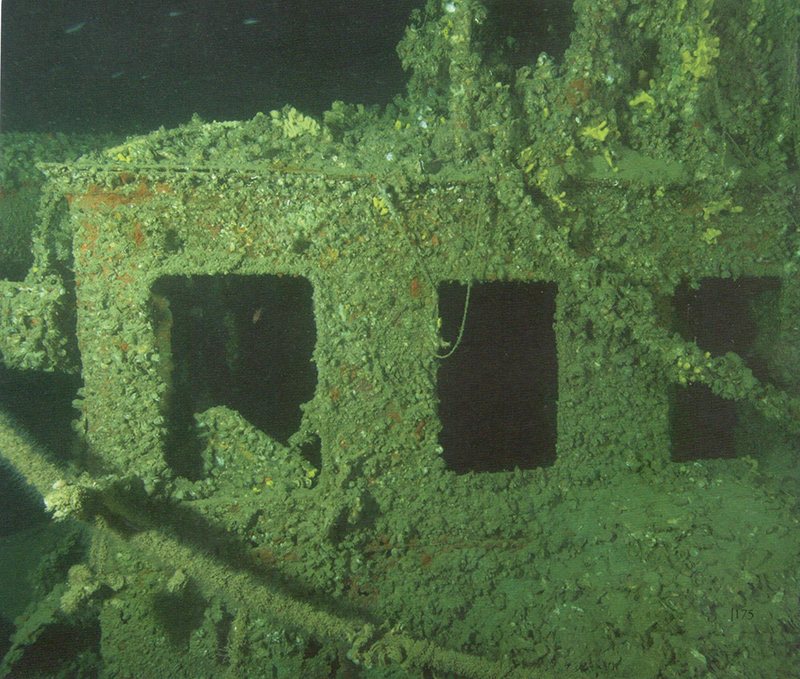
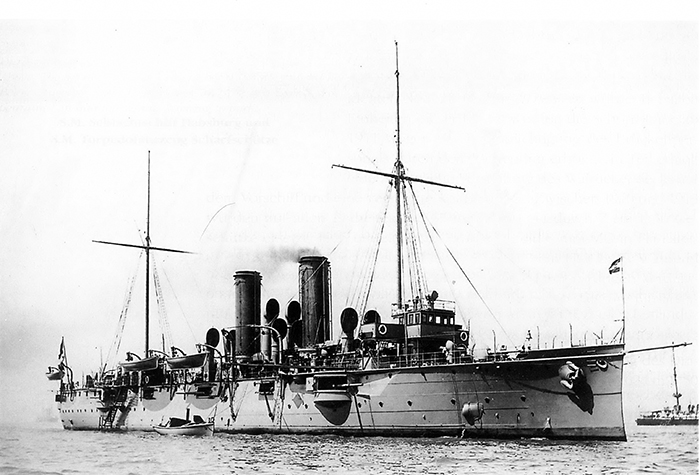
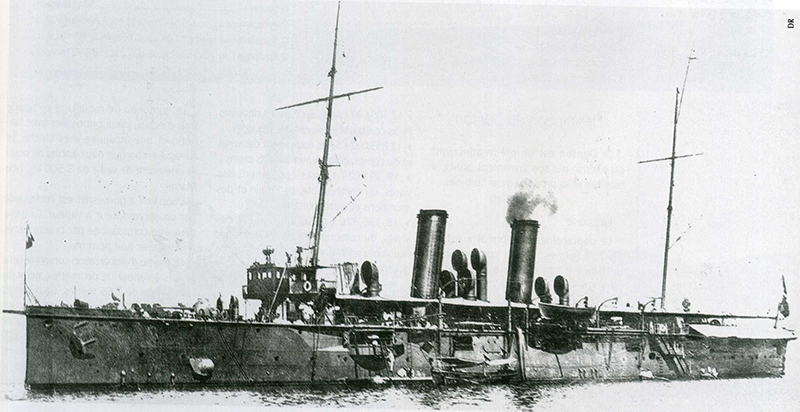
When the Austro-Hungarian cruiser Zenta, the first ship sunk in the First World War, plunged to the bottom of the Adriatic Sea near Petrovac, more than half of the ship’s crew went down with it.
When it set out from the port of Tivat, accompanying the destroyer Ulan on a mission to blockade the Montenegrin port of Bar, the cruiser was already a veteran vessel, pulled out of the reserves. Obsolete, slow and poorly armed, it was an antique among modern ships.
Zenta sank during a battle with the more powerful fleets of France and Britain on August 16, 1914 – and the site of the shipwreck lay undisturbed until divers discovered it in 2001.
Treasure hunters followed soon enough.
Dragan Gacevic, a well-known diver from Herceg Novi and author of the book and documentary TV series Montenegrin Undersea [Podmorje Crne Gore], told CIN-CG/BIRN that thieves soon got to work.
“It is unbelievable that in the meantime someone tried to steal the main compass from the command bridge of the Zenta. That wreck is 73 meters down, and a special gas mixture, the so called trimix, is needed to dive to such depths – which goes to show that these thieves are up for anything,” he said.
“Luckily, they did not manage to remove the compass from the Zenta, but traces of devastation and damage from the thieves’ attempts to remove the entire bowl, and then the core of the compass, are noticeable,” he added.
Gacevic, who spotted the damage in the summer of 2014, said he did not report the case to Montenegro’s Ministry of Culture because the thieves had not succeeded in their intentions.
But an investigation by CIN-CG/BIRN shows that the case of the attempted plunder of the Zenta is anything but isolated.
It shows that the country’s underwater treasures are insufficiently examined, recorded and, most disturbingly, are virtually unprotected.
Although the Montenegrin state has passed laws to protect the country’s cultural goods, it has deployed few staff to enforce their implementation.
As a result, the destruction and theft of the country’s underwater cultural heritage generally goes unpunished.
Most sites at risk also will not enjoy full protection under the current laws until the Ministry of Culture has finished its survey of underwater sites, and has assessed which ones qualify for the status of cultural goods.
However, Montenegro allocates minimal funds for such research. Civil society activists say the Centre for Conservation and Archeology, the body tasked with conducting the research, lacks even the elementary prerequisites to complete the job.
The Centre for Conservation did not respond to CIN-CG/BIRN’s queries about such concerns by the time of publication.
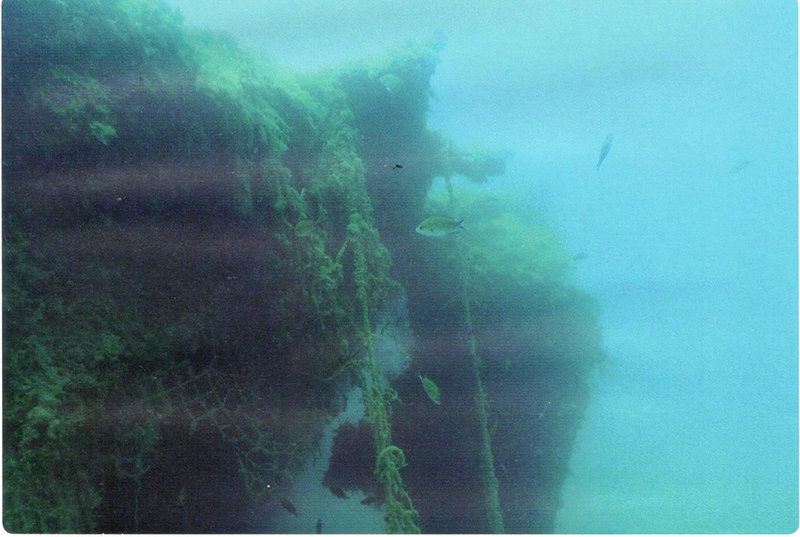
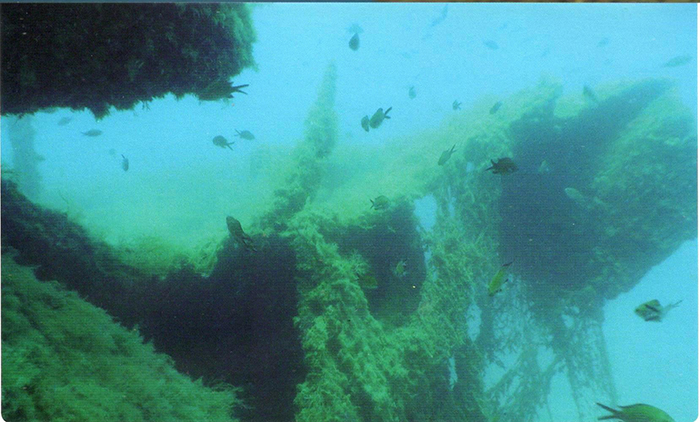
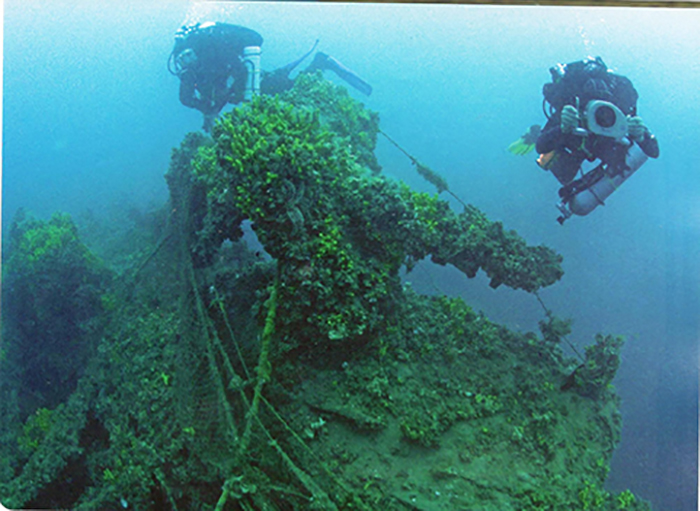
What lies at the bottom of the Adriatic?
Numerous historic sites and treasures lie at the bottom of the sea off Montenegro.
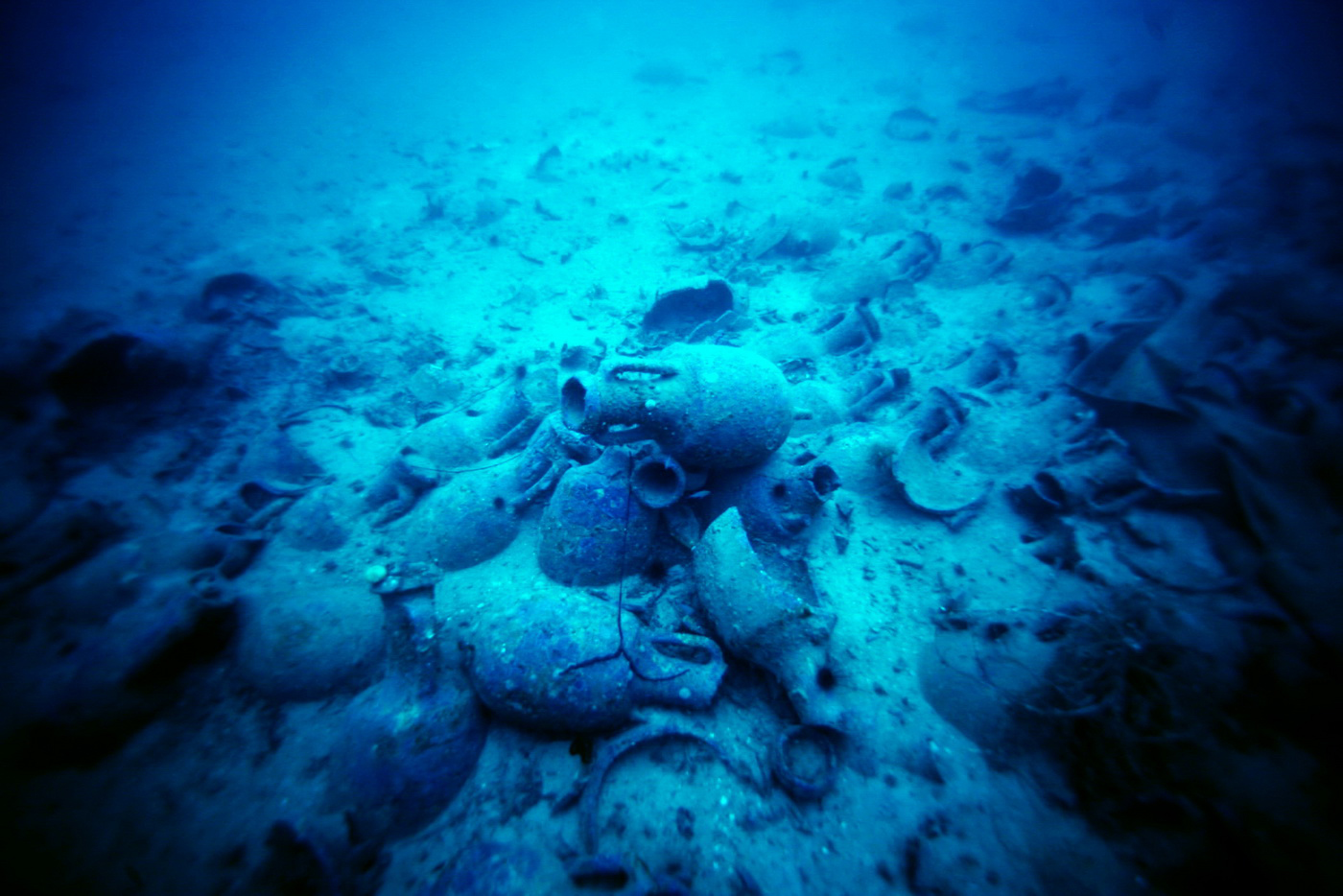
Treasures range from remains of antique structures and Roman and Greek amphorae to medieval ships that sank together with their cargo, and wreckages from the 20th century.
The plunder of these sites started in the second half of the 20th century, but it intensified in the late-1990s, when better diving equipment meant that more people could dive to greater depths.
What started as a couple of individuals taking a few “souvenirs” 60 years ago now has all the markings of large-scale, even organised, robbery.
“It is fairly simple for someone with money to buy some interesting artefacts from undersea poachers, like an antique amphora or an attractive part of a ship’s equipment from some more-than-century-old wreck,” Gacevic observed.
He often dives under the waters and sometimes, between only two or three dives at the same location, notices visible progress in terms of the devastation of the sites.
At the bottom of the Risan Bay, one of the most famous sites, are amphorae, galley dishes, ceramics and glass or bricks dating from the 4th century BC to the 7th century AD.
Many are important evidence of the trading relations of the indigenous Illyrian people, mostly with the Greeks and Romans.
This bay was probably used as a place for short-term anchorage for centuries, as an overnight shelter and as a safe haven from storms, when sailing ships used the interruption to their voyages to lose objects no longer of use in the easiest manner – by throwing them overboard.
This part of the Boka Bay has had protected cultural status for over 40 years, so underwater activities and anchoring are here are strictly forbidden.
Despite that, websites still offer diving tours in the bay. In the summer, anchored super yachts can often be seen there, with their guests swimming in the sea.
(http://www.booking.me/Default.aspx?sifraStranica=1369)
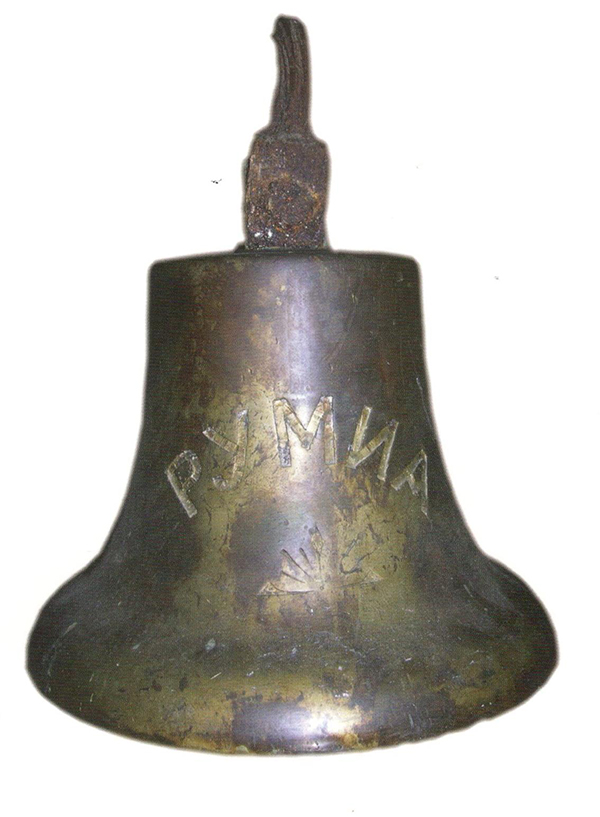
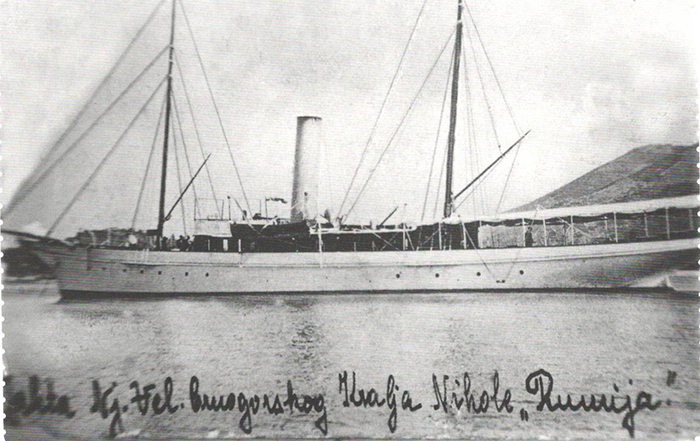
Another case of state negligence, according to Gacevic, is the yacht of Montenegro’s last King, Nikola I, the Rumija.
It sank off Bar in 1915, and did not receive protected cultural good status for exactly a century.
The yacht was a gift to the King from the Ottoman Sultan in 1905, and, apart from meeting the needs of the Montenegrin court, was used in the Balkan Wars of 1912-13 and during World War I to transport war material.
The wreck of the Rumija is still physically unprotected, however, in the middle of the Port of Bar, only a few meters under water.
That is why, according to Gacevic, it has now been completely destroyed, primarily by anchors and the anchor chains of large trading ships, which sail to the nearby pier for fuel.
Parts and objects have been stripped from the wreck in the meantime, including the ship’s bell, which found its way to a private collection in Novi Sad, Serbia, under unexplained circumstances.
Gacevic himself found it there and identified it and wrote about it in his book, Podmorje Crne Gore, published in 2012 in Herceg Novi.
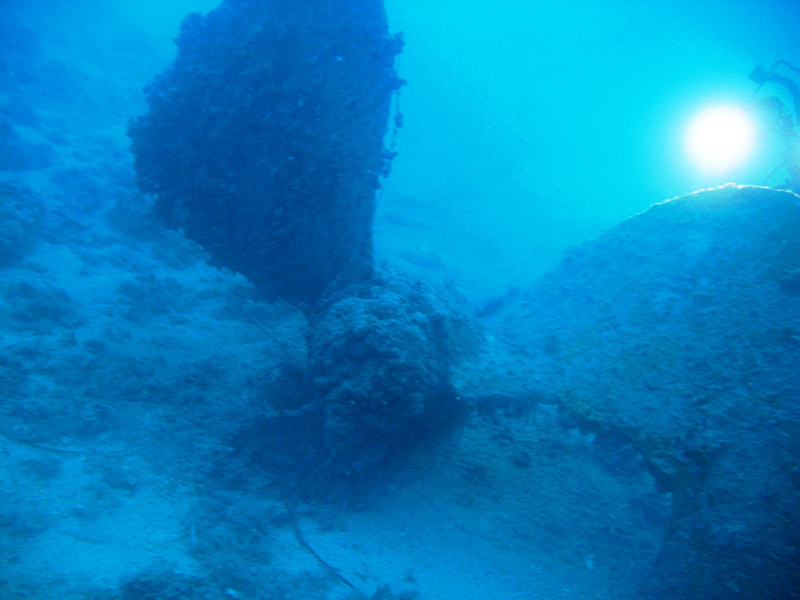
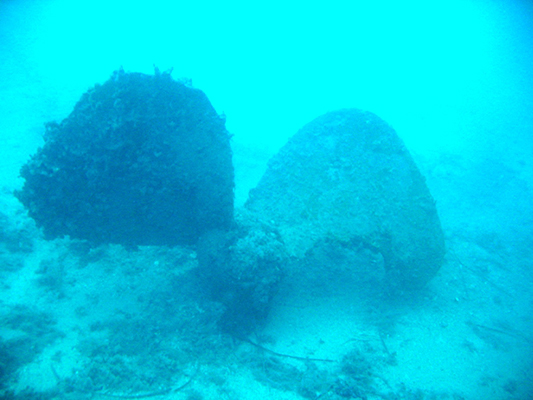
Another case, about which the country’s Cultural Heritage Inspectorate of the compiled a report in October 2014, which CIN-CG/BIRN has seen, concerns the removal of the propeller from the Austro-Hungarian steamship, Arpad.
This ship was damaged off the coast in 1916 when it hit a mine, but did not sink. However, it did lose its propeller with part of the axis and the steering oar.
The great propeller of the Arpad sank to 48 meters and dug itself into the sandy bottom of the sea.
The three-piece propeller, made of several tons of bronze, disappeared three years ago, which is when unknown persons took it and most probably sold it to collectors of secondary raw materials.
This theft demanded good organisation. Gacevic, who reported the theft to police in September 2014, believes that the heavy propeller could not have been lifted without a crane, a large vessel that hauled it to the shore, a compressor to fill underwater “parachutes” with air, trucks and other logistics.
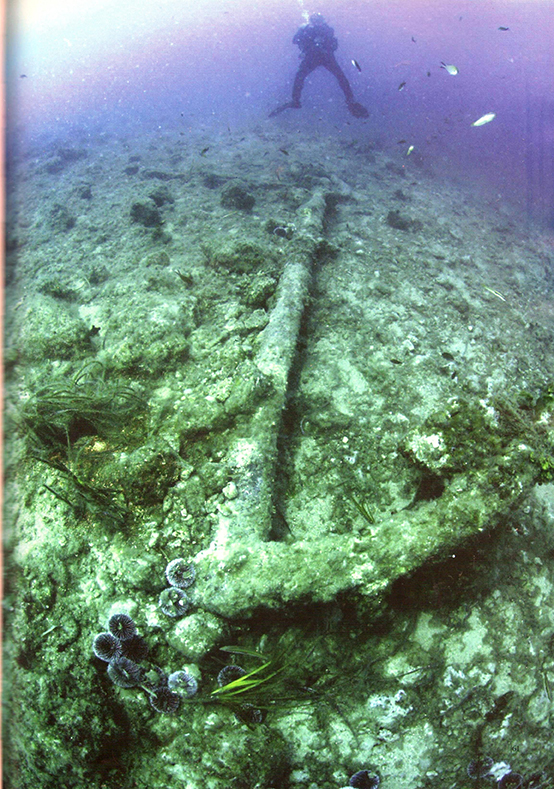
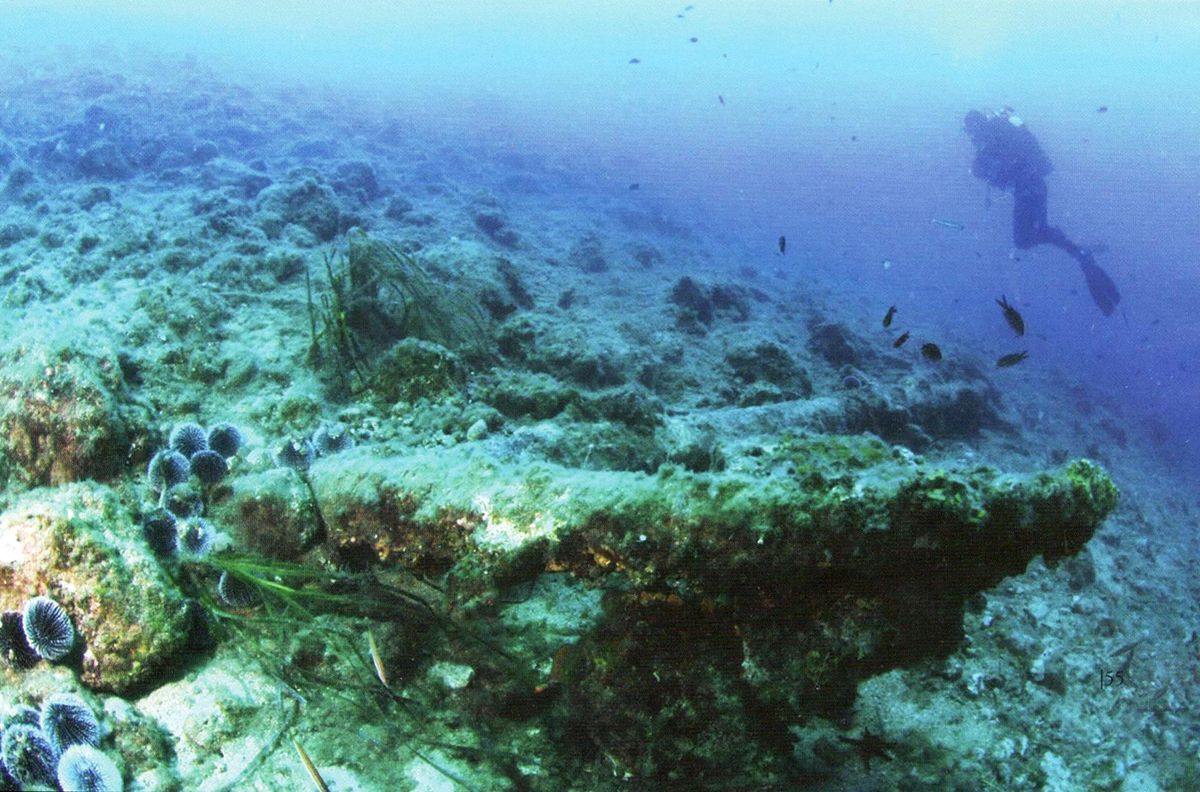
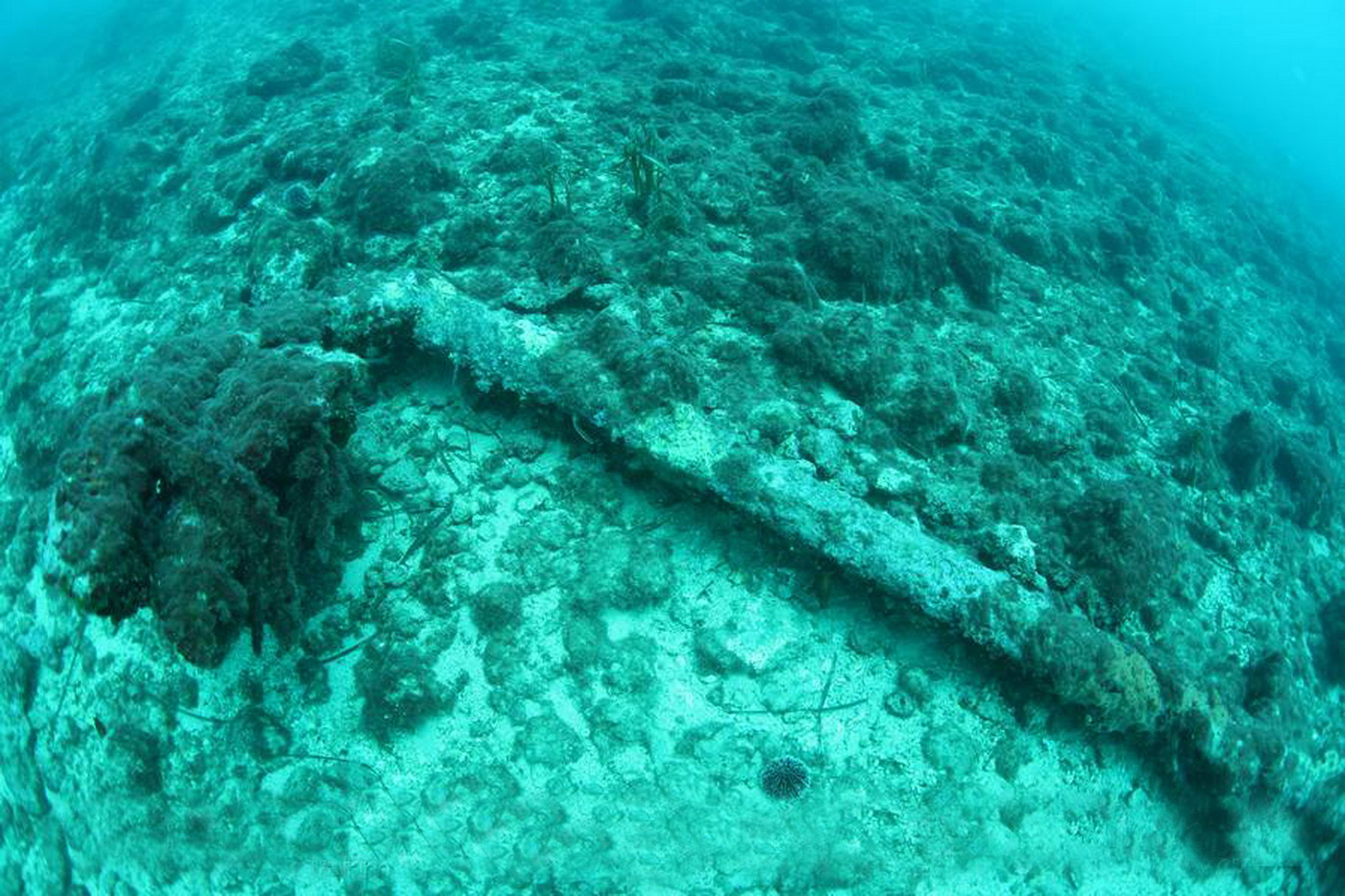
One of the most famous examples of underwater cultural destruction is that of the galleon which sank at Cape Kabala, probably in the 16th century.
It obtained protected cultural good status at the same time as the royal yacht, in 2015.
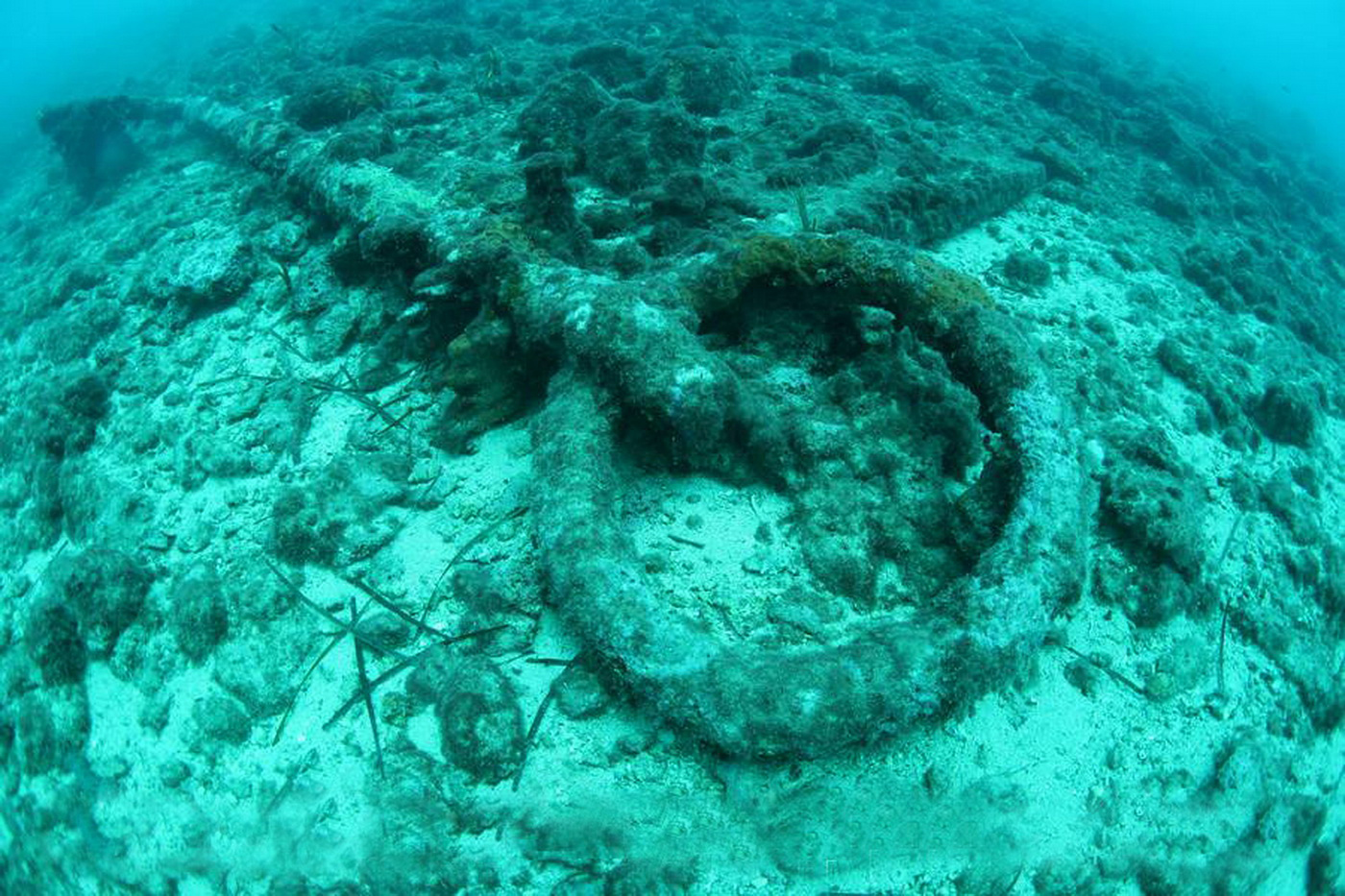
Of the 35-meter-long ship, with three masts and at least four canons, the seabed has kept the remains of the wooden structure sticking out of the sand, numerous parts of the ship’s equipment – anchors, ship berthing equipment, parts of pumps, an inventory and more.
Gacevic reported the anchor of the galleon missing on September 15, 2014.
That same year, the Ministry of Culture reported this loss to the police, which filed this case as serious theft.
However, the anchor has been exhibited at the entrance to the company Slovenska Alijansa in Herceg Novi for some years.
Only in December 2017 did the Ministry of Culture order the company to return the anchor to its rightful owner – the state of Montenegro.
Last December, two media outlets, Pobjeda and Portal analitika, quoted the report of the Inspection Affairs Department.
This said that a Russian citizen, Aleksandar Belyakov, from Slovenska Alijansa, had stated that the metal anchor had been bought from “unidentified persons” in 2013 when it was “not a cultural good” with the intention to “preserve it, so that it’s not sold for scrap.”
Belyakov did not answer queries from CIN-CG/BIRN, however.
Police Headquarters told CIN-CG/BIRN that the police gave the Prosecutor’s Office photographic documentation about the discovery of the anchor along with statements from four people who had been interrogated.
However, till now, no one has been held accountable for this theft.
“The Basic State Prosecutor’s Office in Herceg Novi, in cooperation with the Police Headquarters, took steps to find the perpetrators of the said crime,” the spokesperson of the Basic State Prosecutor’s Office in Herceg Novi, Nikola Samardzic, said.
Gacevic evaluates the reaction of Montenegro’s institutions to this theft as “a weak and inefficient response of the authorities to evident pillaging.
“It is no wonder that the devastation of historic heritage at the bottom of the sea continues with unabated intensity,” he said.
Hardly anyone to implement the laws
In Montenegro, four locations or objects have the status of protected underwater cultural goods: the Risan Bay, the royal yacht, Rumija, the sunkey galleon near Cape Kabala and the Bigovica Cove.
This latter was used from the 3rd to the 15th century as a winter dock, and numerous antique amphorae, among other things, have been found in its waters.
The Ministry of Culture has noted another 27 underwater archaeological sites, however.
They include several sites where shipwrecks occurred in the 19th and 20th century – noted by the Ministry for what it explained as “the constant degree of danger [to them], though they do not have archaeological potential”.
The country’s laws on culture and the protection of cultural goods, as well as its ratification of the UNESCO Convention on Protection of Underwater Cultural Heritage, in theory ban all activities in protected cultural heritage sites, except for research and conservation.
Although the other locations do not enjoy such protection, the laws still classify all archaeological material from the ground or water as state property, which no one may appropriate – so that when artefacts go missing from these sites, it should be treated as theft.
Monitoring implementation of these laws is down to the Cultural Heritage Inspectorate, which is part of the Department for the Protection of Cultural Goods in the Ministry of Culture.
However, the Department admits it has few inspectors, adding that efficient protection requires an array of measures.
“It is necessary to systematically empower/strengthen operational legal mechanisms in situ, especially in light of the fact that we have only one or two inspectors,” the Department, headed by Anastazija Miranovic, said.
The Department also calls protection of underwater cultural heritage a “complex issue”, not only for Montenegro but for other countries as well, adding that a variety of problems makes the complete protection of these sites difficult.
Factors that hinder securing underwater sites include “awards of concessions … the geographical positions of the sites, uncontrolled diving activities, fishing, anchoring and dilapidation of sites due to natural processes,” it said.
Decades old Order on Underwater Activities has been in effect in Montenegro. A new Law on Diving, among other things, regulates the award of concessions to diving centres – that is, their rights to take tourists to certain sites under controlled conditions.
On account of a complex situation, the ministry keeps the coordinates of all archaeological shipwreck sites from ancient times to the mid-20th century a secret.
The Culture Ministry, headed by Aleksandar Bogdanovic, said that the department and the authorities under its charge “are taking the necessary measures to prevent illegal underwater activities”.
In October 2016, together with the Maritime Safety Department, the navy and border police – Sector South, the ministry formed a Joint Operational Team to monitor the country’s underwater cultural heritage sites in order to improve controls over them.
“Through the mentioned system, based on the data of the Maritime Safety Department, in the previous period, three cases at one off-shore point were detected, which were not verified as illegal activities,” the ministry said.
“There were no reported and sanctioned perpetrators,” it added to CIN-CG/BIRN.
Police Headquarters also told CIN-CG/BIRN that, although the Joint Operational Team “has been monitoring underwater cultural heritage sites during the summer months, during that time no sites were found to have been compromised”.
Asked about the Risan Bay, where anchored yachts and swimmers are a common sight, Police Headquarters said sites of that level of protected cultural heritage were not under its jurisdiction – although the bay is one of just four sites with top protected status.
“The anchoring of vessels in the Kotor Bay waters is the responsibility of the Harbormaster’s Office of Kotor, so officials of the Border Police – Regional Center of Border Police South, have no authority to control anchored vessels, and also do not have information about the performing of underwater activities at sites of underwater cultural heritage in the acquatorium of the Risan Bay,” Police Headquarters said.
From regulations, to status, to protection
For some of the 27 known underwater archaeological sites in Montenegro to obtain better protection, it is necessary to declare them “cultural goods” for a start.
To obtain such a status, however, the Law on Cultural Goods says an entire set of research and evaluation work must be done to record the details of the sites, assess their value and, finally, decide whether the site deserves such status.
As a first step, the Ministry of Culture started a three-year project in 2017 during which it plans to “implement all the necessary diving prospections, assessments of the condition, character of sites, spatial boundaries of underwater sites with GPS positioning.
“This will create the conditions to start a procedure for establishing protection and establishing the cultural good status of a certain number of sites,” the ministry said.
Research has been done at those sites that have obtained protected status already, to make a complete record of the artefacts, so that these treasures can no longer be taken away without institutions even noticing.
However, this ambitious project has received only modest financial backing from the state.
Although Montenegro increased the total budget for the protection and conservation of cultural goods program for 2018 to 1.1 million euros, it set aside only 14,000 euros for underwater research – 2,000 euros for research around Budva and another 12,000 euros to research the remaining 27 sites that might get cultural good status.
The capacities of the Centre for Preservation and Archaeology of Montenegro, based in Cetinje, are also modest, activists say.
A public institution, formed under an order of the government, it is in charge of the three-year research project in the Risan Bay, among other things.
Archaeologist Milos Petricevic, from the Citizens’ Initiative Bokobran, calls it regrettable that Montenegro has not built up any serious infrastructure for independent underwater archaeological research.
Petricevic says the Cetinje centre “does not have elementary technical prerequisites to efficiently carry out such work, nor does it possess its own diving-technical block with equipment for charging diving bottles, or a portable side scan sonar…”
For now, the centre has the help of Croatia’s International Center for Underwater Research and RPM Nautical Foundation.
The Centre has not responded to CIN-CG/BIRN queries regarding it capacities.
From written to unwritten code
The guidelines of the UNESCO Convention on Protection of Underwater Cultural Heritage, which Montenegro ratified in 2008 (http://www.unesco.org/eri/la/convention.asp?KO=13520&language=E&order=alpha), state that only research or conservation activities may be carried out at underwater cultural heritage sites,
The country’s own Law on Protection of Cultural Goods, passed in 2010, meanwhile obliges Montenegro “to provide protection and conservation of all cultural goods located on its territory, including internal waters and territorial sea, as well as to take care of the protection and conservation of the goods located abroad, which are of importance for its history and culture.”
The same law states that “no one is entitled to carry out any activities that may cause damage to cultural goods; damage, devastate or usurp … or appropriate in any other way, hide or market the cultural good of which they are aware, or could be aware, that it was acquired illegally.”
Violations of the provisions of this law incur fines, but not prison sentences, ranging from 400 to 16,000 euros.
Gacevic says the country’s cultural heritage would be better protected already, if only divers respected the unwritten code they should follow underwater.
The code is as follows, he says: “You may leave only the air bubbles the diver breathes out in the sea; you may only photograph the underwater world of wrecks and other sites visited from the sea; you must not kill anything in the sea, except the time that you have at your disposal for diving.”

 English
 Facebook
 Youtube
 X (Twitter)
 Instagram
2023, Centar za istraživačko novinarstvo CG - Sva prava zadržana